
About Ingredients Guide Part 6: Cardamom
Introduction
Cardamom, often dubbed the “queen of spices,” boasts a rich history and a multifaceted profile that makes it a prized ingredient in culinary traditions worldwide. This aromatic spice not only enhances flavors but also carries cultural significance in various cuisines, particularly in South Asia and the Middle East. Understanding cardamom involves exploring its origins, production, and diverse applications, making it an essential ingredient for both amateur cooks and professional chefs alike.
What Is Cardamom?
Cardamom is a spice derived from the seeds of plants belonging to the Zingiberaceae family, primarily the genus Elettaria and Amomum. The most commonly used varieties are green cardamom (Elettaria cardamomum) and black cardamom (Amomum subulatum). Green cardamom is characterized by its sweet, floral notes and is often used in baking, brewing, and savory dishes. In contrast, black cardamom has a smoky, robust flavor and is typically found in savory recipes.
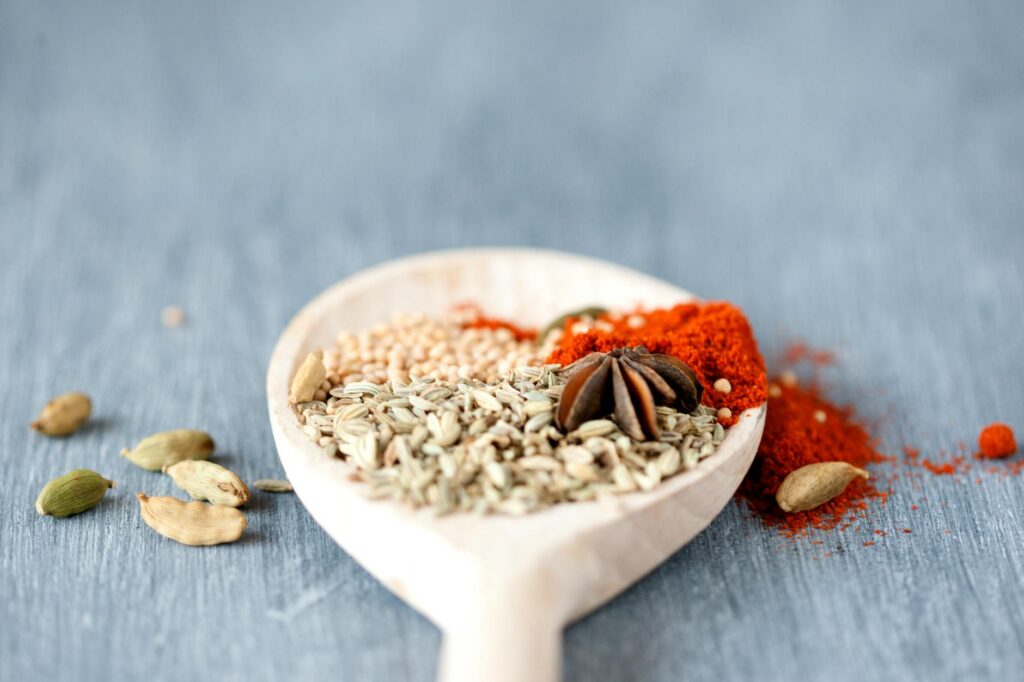
The spice is recognizable by its small, pod-like structures, which encapsulate tiny, aromatic seeds. Cardamom’s unique flavor profile is attributed to its complex combination of essential oils, including 1,8-cineole, limonene, and terpinene, making it a versatile ingredient in both sweet and savory applications.
History and Origins
Cardamom has a storied past that dates back thousands of years. It is believed to have originated in the rainforests of South India, where it has been cultivated since ancient times. Historical texts suggest that cardamom was used as a culinary spice and a medicinal herb by the Egyptians, Greeks, and Romans. The spice was highly regarded in ancient trade routes, contributing to its spread across Asia, the Middle East, and Europe.
In India, cardamom holds a significant place in culinary traditions and is often featured in regional dishes, chai tea, and festive celebrations. The spice is also mentioned in Ayurvedic texts for its digestive benefits and aromatic qualities. Today, cardamom remains an essential component of various cuisines, from Indian curries to Scandinavian pastries.
Production and Processing
The cultivation of cardamom requires specific climatic conditions, thriving in tropical regions with high humidity and well-drained soil. Major producers include India, Guatemala, and Indonesia. India is by far the largest producer, contributing approximately 60% of the world’s supply, with the Western Ghats region being a notable cultivation area.
Harvesting
Cardamom plants reach maturity approximately 3-4 years after planting. The harvesting process is labor-intensive, as the pods must be picked by hand when they are still green and just before they fully ripen. This timing is crucial, as fully ripe pods can split open, causing the seeds to be lost.
Drying
After harvesting, the cardamom pods are subjected to drying to enhance flavor and preserve freshness. Traditionally, this involves sun-drying, although mechanical drying methods are also employed in commercial production. Proper drying is vital, as it influences the spice’s flavor, aroma, and shelf life.
Quality and Grading
The quality of cardamom is determined by several factors, including size, color, aroma, and the number of seeds within the pods. The spice is graded based on these characteristics, with higher grades commanding premium prices in the market.
Grading System
1. Grade I: Contains large, green pods with a high oil content, offering superior flavor and aroma. This grade is highly sought after in culinary applications.
2. Grade II: Features medium-sized pods with acceptable quality but may have a slightly lower oil content. These are often used in mass-produced food products.
3. Grade III and Below: Smaller pods, often discolored or damaged, with diminished flavor profiles. Typically used in lower-quality food products or for extraction purposes.
When purchasing cardamom, consumers should be aware of these grades to ensure they are selecting the best quality for their culinary needs.
Buying Considerations
When selecting cardamom, buyers should consider the following factors:
1. Type: Decide between green and black cardamom based on intended use. Green cardamom is best for sweet dishes and teas, while black cardamom suits hearty, savory recipes.
2. Form: Whole pods retain flavor better than pre-ground cardamom, which can lose potency over time. Consider purchasing whole pods and grinding them as needed for maximum freshness.
3. Quality: Look for high-grade pods that are plump and aromatic. Avoid pods with discoloration or signs of damage.
4. Source: Opt for reputable suppliers who can guarantee the quality and ethical sourcing of their cardamom. Organic options may also be available for those seeking pesticide-free products.
Uses and Applications
Cardamom’s versatility extends across various culinary applications, enhancing both sweet and savory dishes.
Culinary Uses
- Baking: Cardamom is a common ingredient in baked goods, particularly in Scandinavian pastries like buns and cakes. Its warm, aromatic flavor pairs well with spices like cinnamon and nutmeg.
- Beverages: In South Asian cultures, cardamom is a key component of chai, a spiced tea. It can also be used in coffee or hot chocolate to impart a unique flavor.
- Savory Dishes: In Indian cuisine, cardamom is integral to curries, biryanis, and spice blends like garam masala. It adds depth and complexity to meat and vegetable dishes.
- Desserts: Cardamom is often employed in desserts such as rice pudding, ice cream, and puddings, where its warm notes complement sweet flavors.
- Whole Pods: Store in an airtight container in a cool, dark place away from direct sunlight. This practice helps retain their essential oils and flavor.
- Ground Cardamom: Due to its higher volatility, ground cardamom should be kept in an airtight container in a cool, dry location. It is best used within six months for optimal flavor.
Non-Culinary Uses
Beyond its culinary applications, cardamom is also utilized in the fragrance industry for its aromatic properties. It can be found in perfumes and candles, where it imparts a warm, exotic scent. Additionally, cardamom is sometimes used in herbal teas and potpourri blends.
Storage and Shelf Life
To preserve the flavor and aroma of cardamom, proper storage is essential.
Storage Tips
Shelf Life
When stored correctly, whole cardamom pods can last for up to three years, while ground cardamom typically maintains its quality for six months. Over time, cardamom may lose potency, so it is advisable to periodically check for freshness.
Common Misconceptions
Despite its popularity, several misconceptions about cardamom persist:
1. Only Used in Sweet Dishes: While cardamom is famous for its role in desserts, it is equally effective in savory dishes, particularly in Indian and Middle Eastern cuisines.
2. All Cardamom is the Same: There are distinct varieties of cardamom, each with unique flavor profiles and culinary applications. Green and black cardamom serve different culinary purposes.
3. Cardamom is Expensive: While high-quality cardamom can be costly, it is available in various price ranges. Purchasing whole pods and grinding them as needed can offer better value.
Frequently Asked Questions
1. What is the difference between green and black cardamom?
Green cardamom is sweet and floral, making it suitable for desserts and beverages, while black cardamom has a smoky, robust flavor, ideal for savory dishes.
2. Can I use ground cardamom instead of whole pods?
Yes, you can substitute ground cardamom for whole pods, but use less, as ground cardamom is more concentrated in flavor. A general rule is to use one-quarter of the amount of ground to whole.
3. How do I know if cardamom has gone bad?
If cardamom loses its aroma or has a dull appearance, it may have lost its potency and flavor. Freshness is key, so consider replacing older stock.
4. Is cardamom safe for everyone to use?
Cardamom is generally safe for consumption. However, individuals with specific allergies or intolerances should exercise caution and consult a knowledgeable source if in doubt.
5. Can cardamom be used in savory dishes?
Absolutely. Cardamom is a staple in many savory dishes, particularly in Indian and Middle Eastern cuisines, enhancing flavors in curries, stews, and rice dishes.
6. What is the best way to grind cardamom?
For the freshest flavor, use a mortar and pestle or a spice grinder to crush whole cardamom pods just before use. This method releases the essential oils and maximizes flavor.
In conclusion, cardamom is more than just a spice; it is a culinary treasure with a rich history and diverse applications. Understanding its nuances can enhance your culinary repertoire and deepen your appreciation for this fragrant ingredient.