
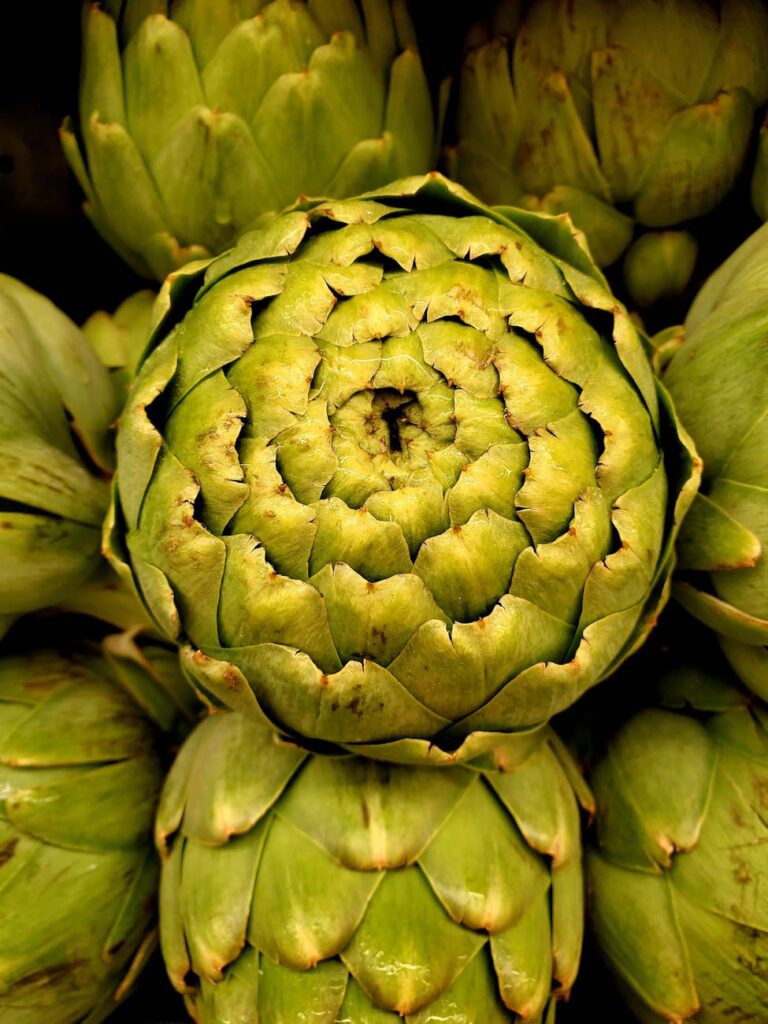
Artichoke Buying Guide Part 6
Introduction
Artichokes are not only a delightful addition to a variety of dishes but also a testament to the intricate relationship humans have with food ingredients. This guide aims to equip you with essential knowledge about the buying process for artichokes, covering everything from their history and production to quality indicators and common misconceptions. Understanding these aspects can enhance your culinary experience and help you make informed decisions.
What Is Buying?
Buying refers to the process of selecting and purchasing food ingredients based on various criteria, including quality, freshness, and intended use. When it comes to artichokes, the buying process involves not only selecting the right variety but also considering factors such as seasonality, storage conditions, and preparation methods. A thoughtful approach to buying can significantly affect the overall flavor and texture of your culinary creations.
History and Origins
Artichokes, particularly the globe artichoke (Cynara scolymus), trace their origins back to the Mediterranean region. Historical records suggest that artichokes were cultivated by the ancient Egyptians and later by the Greeks and Romans. They were highly regarded not only for their culinary uses but also for their medicinal properties. The artichoke eventually made its way to North America in the 19th century, primarily through French and Italian immigrants, and has since gained popularity worldwide.
Production and Processing
Artichokes are typically grown in temperate climates, with California being the leading producer in the United States. The growing process involves careful cultivation, as the plants require well-drained soil and ample sunlight. Harvesting usually occurs in the spring and fall, when the buds are still closed and tender.
After harvesting, artichokes undergo a brief processing period, which may include trimming and washing. Some artichokes are packaged for direct sale, while others may be frozen or canned for extended shelf life. Understanding the production and processing methods can help buyers appreciate the journey of their food from farm to table.
Quality and Grading
When purchasing artichokes, quality is paramount. Several factors contribute to the grading of artichokes:
1. Size and Weight: Larger artichokes are often more desirable, but size alone does not determine quality.
2. Color: Fresh artichokes should exhibit a vibrant green hue, with a slight sheen. Any browning or discoloration may indicate aging.
3. Firmness: A quality artichoke should feel heavy for its size and have tightly packed leaves. If the leaves are loose or the bud feels lightweight, it may be past its prime.
4. Freshness: Look for artichokes with moist stem ends. Dried-out stems can be a sign of aging.
5. Variety: Different varieties may have unique characteristics. For instance, the ‘Green Globe’ is known for its large size and meaty texture, while the ‘Baby’ artichokes are small and tender, ideal for grilling.
Understanding these grading factors can help buyers select the best artichokes available.
Buying Considerations
When buying artichokes, several practical considerations should guide your choices:
1. Seasonality
Artichokes are typically in season from March to May and again in September to December. Purchasing during peak season ensures you are getting the freshest produce, often at the best prices.
2. Source
Consider purchasing from local farmers’ markets or specialized grocery stores that prioritize quality. Organic artichokes may also be available, which can be a more sustainable choice.
3. Storage Condition
Ensure that the artichokes you buy are stored properly. They should be kept in a cool, dry place, and ideally refrigerated if not consumed shortly after purchase.
4. Quantity
Buying in bulk might be tempting, but it’s essential to consider how quickly you will use them. Artichokes have a limited shelf life, and overbuying can lead to waste.
5. Pre-packaged vs. Loose
While pre-packaged artichokes may offer convenience, they often do not allow for close inspection of quality. Whenever possible, opt for loose artichokes so you can assess their condition directly.
Uses and Applications
Artichokes are versatile ingredients that can be used in numerous culinary applications. They can be steamed, grilled, roasted, or even stuffed. Additionally, artichoke hearts are often found in salads, dips, and pasta dishes. Their unique flavor and texture make them suitable for both savory and even sweet dishes when prepared creatively.
In many cuisines, artichokes are celebrated not just for their taste but also for their ability to elevate simple dishes. They pair well with ingredients such as lemon, garlic, olive oil, and herbs, enhancing the overall flavor profile.
Storage and Shelf Life
Fresh artichokes can be stored in the refrigerator for about 3 to 5 days. To prolong their freshness, wrap them in a damp paper towel and place them in a perforated plastic bag. It is essential to keep them dry to prevent mold growth.
If you have cooked artichokes, they can be stored in an airtight container in the refrigerator for up to 3 days. Frozen artichokes can last for several months, making them a convenient option for later use.
Common Misconceptions
1. Artichokes Are Difficult to Prepare: While they may appear intimidating, artichokes can be easily prepared with a bit of practice. Simple steaming and trimming techniques make them accessible to home cooks.
2. All Artichokes Taste the Same: Different varieties of artichokes have distinct flavors and textures. Exploring various types can enhance your culinary repertoire.
3. Artichokes Are Only for Gourmet Cooking: Artichokes can be incorporated into everyday meals. They are not limited to fine dining; rather, they can add a unique touch to simple dishes.
4.