
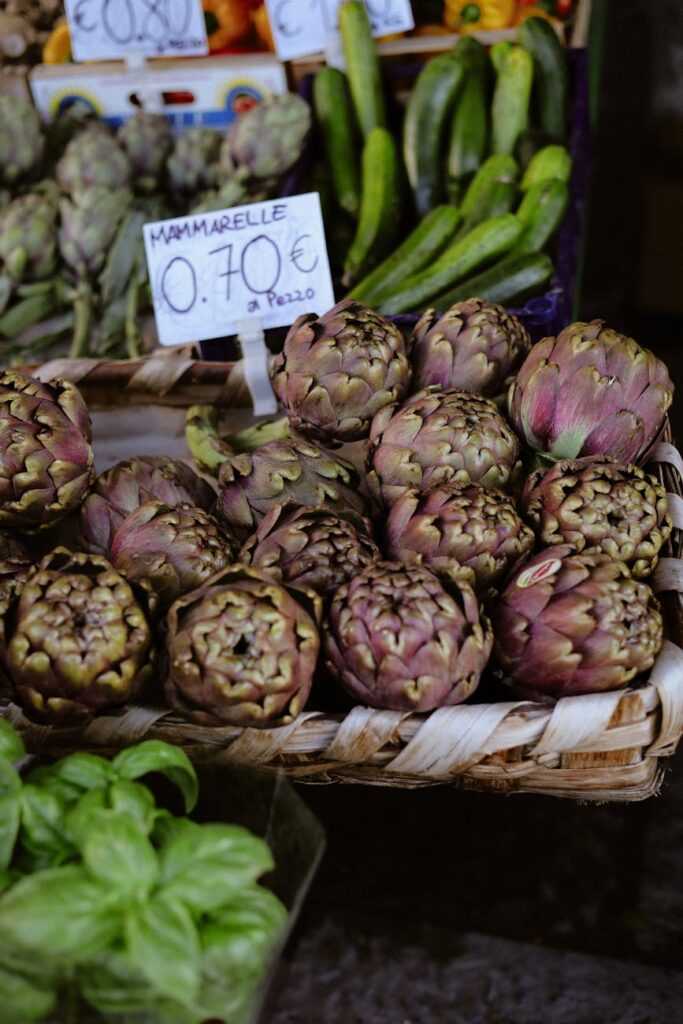
Artichoke Cultivation Explained
Introduction
Artichokes, scientifically known as Cynara scolymus, are perennial thistle plants that have captivated culinary enthusiasts and home gardeners alike. Known for their unique texture and flavor, artichokes are not just a delicacy but also a fascinating crop with rich historical roots and diverse uses. This article delves deep into the cultivation of artichokes, exploring everything from their history and origins to their uses and storage, ensuring a comprehensive understanding of this remarkable ingredient.
What Is Growing?
Growing, in the context of agriculture and horticulture, refers to the process of nurturing plants from seeds or seedlings to maturity. This includes understanding the plant’s needs, such as soil conditions, water requirements, and climatic preferences. For artichokes, growing involves careful planning and execution to ensure optimal yield and quality. This process encompasses various stages, including site selection, soil preparation, planting, maintenance, and harvesting.
History and Origins
Artichokes have a storied history that dates back to ancient times. Native to the Mediterranean region, they were cultivated by the ancient Greeks and Romans, who valued them not only for their culinary applications but also for their ornamental beauty. The artichoke was recognized as a delicacy in Europe by the 15th century, and its popularity spread across the continent, leading to diverse cultivation practices.
The plant was introduced to the United States in the 19th century, with California emerging as the primary production area due to its favorable climate. Today, the United States is among the top producers of artichokes, contributing significantly to global supply alongside other countries such as Italy, Spain, and France.
Production and Processing
Cultivation Techniques
Artichokes thrive in well-drained, nutrient-rich soils with a pH range of 6.0 to 7.0. They prefer full sun and require ample water, especially during the growing season. Typically, artichokes are planted as seedlings or transplants rather than seeds, as this method ensures better establishment and yield.
The growing season for artichokes varies widely depending on the climate. In warmer regions, they can be grown year-round, while in cooler climates, they are typically grown as annuals. The ideal temperature for growth hovers around 65°F to 75°F (18°C to 24°C).
Irrigation and Fertilization
Consistent watering is crucial for artichoke growth. Drip irrigation systems are often employed to provide adequate moisture while minimizing water waste. Fertilization plays a vital role in supporting plant health and promoting robust growth. A balanced fertilizer, rich in nitrogen, phosphorus, and potassium, is recommended during the early stages of development.
Harvesting Techniques
Artichokes are usually ready for harvest when the buds are still closed, firm, and have a vibrant green color. Depending on the variety, this can occur about 85 to 100 days after planting. Harvesting is done by cutting the buds from the plant with a sharp knife, ensuring that a few leaves remain attached to the bud. This practice encourages the plant to produce more buds.
Quality and Grading
The quality of artichokes is determined by several factors, including size, color, firmness, and absence of blemishes. Generally, artichokes are graded based on their diameter, with larger buds fetching higher prices in the market. The USDA provides guidelines for grading artichokes, categorizing them into different classes:
- U.S. Fancy: These artichokes are the highest quality, featuring a uniform shape, size, and color.
- U.S. No. 1: Slightly smaller than the fancy grade, these artichokes still maintain overall quality.
- U.S. No. 2: These artichokes may have imperfections but are still suitable for consumption.
- Fresh: Raw artichokes can be sliced and added to salads for a unique crunch.
- Steamed: Steamed artichokes are a classic preparation, often served with dips such as melted butter or vinaigrette.
- Grilled: Grilling artichokes brings out their natural sweetness, making them an excellent addition to summer barbecues.
- Stuffed: Stuffed artichokes, often filled with breadcrumbs and herbs, are a popular dish in Mediterranean cuisine.
- Preserved: Artichokes can be preserved in oil or vinegar, extending their shelf life and adding depth to antipasto platters.
Proper handling during harvesting and processing is essential to maintain quality. Artichokes are sensitive to bruising, and care must be taken to minimize damage during transportation and storage.
Buying Considerations
When choosing artichokes, several factors should be considered to ensure quality and freshness:
1. Appearance: Look for artichokes with tightly closed buds and a vibrant green color. Avoid those with brown spots or wilting leaves.
2. Size: Depending on the intended use, the size may be a crucial factor. Larger artichokes are often preferred for grilling or roasting, while smaller ones can be ideal for steaming.
3. Firmness: A fresh artichoke should feel heavy and firm in hand. If it feels light or has a spongy texture, it may be past its prime.
4. Seasonality: Artichokes are typically in season from March to May in the Northern Hemisphere. Purchasing during peak season can ensure better quality and flavor.
5. Source: Whenever possible, buy from local farmers or reputable suppliers who practice sustainable farming methods.
Uses and Applications
Artichokes are incredibly versatile in the culinary realm. They can be enjoyed in various forms, including:
Storage and Shelf Life
To maximize the shelf life of artichokes, proper storage is essential. Fresh artichokes should be