
Artichoke FAQs Answered
Introduction
Artichokes, with their striking appearance and unique flavor profile, have captivated culinary enthusiasts for centuries. This thistle-like vegetable, part of the Asteraceae family, is not only a culinary delight but also rich in history and nutritional value. This comprehensive guide addresses common questions surrounding artichokes, providing insights into their origins, production, uses, and storage.
What Is Guides?
In the context of food ingredients, “Guides” serve as informative resources that delve into the characteristics, uses, and nuances of specific ingredients. They provide a structured overview, making it easier for culinary professionals and home cooks alike to understand and appreciate the ingredients they work with. Guides on artichokes, for instance, cover everything from selection and preparation to storage and culinary applications, ensuring a holistic understanding of this intriguing vegetable.
History and Origins
Artichokes have a rich history that dates back to ancient civilizations. Originally cultivated in the Mediterranean region, they were prized by the Greeks and Romans, who recognized their culinary and medicinal properties. The artichoke we know today (Cynara scolymus) is believed to have been domesticated from its wild ancestor, Cynara cardunculus, which is native to North Africa and parts of Europe.
The vegetable’s popularity spread throughout Europe in the 16th century, particularly in France and Italy, where it became a staple in noble households. Interestingly, artichokes were once considered an aphrodisiac, leading to their association with luxury and indulgence. By the 19th century, they made their way to the United States, where they are now cultivated primarily in California.
Production and Processing
Artichokes thrive in Mediterranean climates, characterized by mild, wet winters and hot, dry summers. California is the leading producer of artichokes in the United States, accounting for nearly 100% of the country’s commercial supply. The growing season typically runs from March to May, with a secondary harvest in the fall.
The production process involves careful cultivation. Artichokes are grown from seeds or seedlings, with the latter being more common due to their faster growth. Farmers employ various methods to ensure optimal growth, including proper irrigation, pest management, and soil maintenance.
Post-harvest, artichokes undergo processing that includes washing, sorting, and grading based on size and quality. Fresh artichokes are often shipped whole to markets, while some may be processed into canned or frozen products. The preservation process helps maintain their flavor and nutritional value, extending their availability beyond the growing season.
Quality and Grading
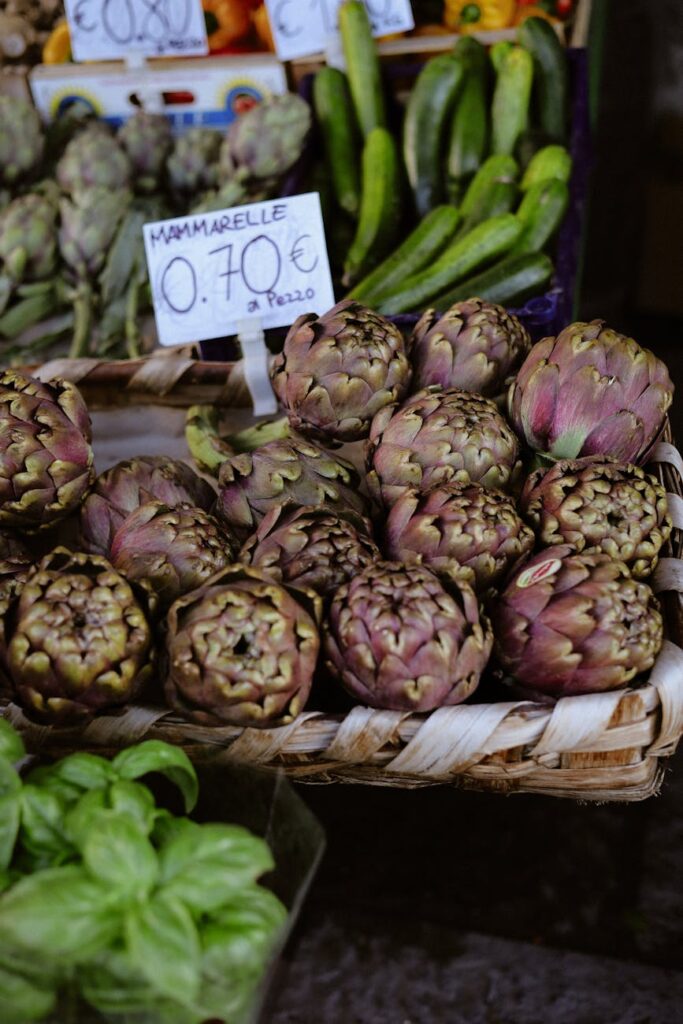
The quality of artichokes is determined by several factors, including size, color, and firmness. When grading artichokes, buyers often look for tight, compact buds with vibrant green or purple hues. The outer leaves should be crisp and intact, while the stem should be firm and not overly dried out.
In commercial settings, artichokes are usually graded into categories such as “U.S. Fancy,” “U.S. No. 1,” and “U.S. No. 2,” with “U.S. Fancy” being the highest quality. This grading system helps retailers and consumers select the best artichokes available, ensuring a superior culinary experience.
Buying Considerations
When purchasing artichokes, several factors should be taken into account to ensure optimal quality and flavor.
1. Freshness: Look for artichokes that feel heavy for their size and have tightly closed leaves. Fresh artichokes should also have a vibrant color, indicating ripeness.
2. Size: Depending on the intended use, choose between larger artichokes for stuffing or smaller ones for grilling. Smaller varieties often have a more tender texture.
3. Seasonality: Artichokes are typically in season from March to May, with a secondary harvest in the fall. Buying them during peak season ensures the best flavor and quality.
4. Origin: Consider purchasing locally grown artichokes when possible, as they tend to be fresher and more flavorful.
5. Organic Options: If you prefer organic produce, look for artichokes labeled as organic, which are grown without synthetic pesticides or fertilizers.
Uses and Applications
Artichokes are incredibly versatile in the culinary world. They can be enjoyed in various forms, including:
- Fresh: Steamed or boiled, fresh artichokes can be served with dips such as melted butter or aioli. The tender heart and succulent inner leaves are often the most coveted parts.
- Stuffed: Larger artichokes can be hollowed out and stuffed with various fillings, such as breadcrumbs, herbs, and cheese, then baked for a hearty dish.
- Grilled or Roasted: Artichokes can be marinated and then grilled or roasted, enhancing their natural flavors and adding a smoky depth.
- Canned and Jarred: Artichokes are often found canned or jarred, either whole, quartered, or marinated. These products are convenient for adding to salads, pasta dishes, or antipasto platters.
- Pureed: Artichokes can be blended into soups or dips, providing a creamy texture and unique flavor.
- Infused Oils: Artichoke hearts can be used to infuse oils, imparting a subtle flavor perfect for dressings or drizzling over dishes.
Storage and Shelf Life
Proper storage is crucial for maintaining the quality of artichokes. Fresh artichokes should be kept in the refrigerator, ideally in a perforated plastic bag to allow for air circulation while maintaining moisture. When stored correctly, they can last up to a week.
For cooked artichokes, it’s best to keep them in an airtight container in the refrigerator. They can typically be consumed within three to five days. Canned or jarred artichokes, once opened, should also be refrigerated and consumed within a week for optimal freshness.
If you wish to extend the shelf life of artichokes, consider freezing them. Blanching fresh artichokes before freezing helps preserve their color and flavor, allowing them to be enjoyed out of season.
Common Misconceptions
Several misconceptions surround artichokes that can deter people from enjoying this remarkable vegetable. Here are a few of the most common:
1. Artichokes Are Difficult to Prepare: Many people shy away from artichokes due to the perception that they are complicated to cook. In reality, with a few simple steps, they can be easily steamed or boiled.
2. Artichokes Are Only for Gourmet Dishes: While artichokes are often featured in upscale cuisine, they can be incorporated into everyday meals, enhancing a wide range of dishes.
3. You Can Only Eat the Heart: While the heart is indeed a delicacy, the outer leaves are also edible and can be enjoyed by scraping the flesh off with your teeth.
4. Artichokes Are All the Same: There are many varieties of artichokes, each with its unique flavor and texture. Understanding the differences can enhance culinary experiences.
5. Artichokes Are Only Available Fresh: Although fresh artichokes are prized, there are many delicious canned and jarred options that can be enjoyed year-round.
Frequently Asked Questions
1. How do you know when an artichoke is ripe?
A ripe artichoke should have tightly closed leaves and feel heavy for its size. The color may range from vibrant green to deep purple, depending on the variety. Avoid artichokes with brown spots or overly dried leaves.
2. Can you eat the whole artichoke?
While the heart and tender inner leaves are the most commonly eaten parts, the outer leaves can also be consumed. They are typically used for dipping, and the flesh can be scraped off with the teeth.
3. How do you prepare fresh artichokes?
To prepare fresh artichokes, start by trimming the stem and removing any tough outer leaves. You can then steam, boil, or roast them, depending on your preference. Ensure to add lemon juice or vinegar to prevent browning.
4. What are the health benefits of artichokes?
Artichokes are low in calories and high in dietary fiber, vitamins, and antioxidants. They are particularly rich in vitamin C, vitamin K, and folate, making them a nutritious addition to various dishes.
5. How long do artichokes last in the refrigerator?
Fresh artichokes can last up to a week in the refrigerator when stored in a perforated plastic bag. Cooked artichokes should be consumed within three to five days.
6. Can you freeze artichokes?
Yes, artichokes can be frozen to extend their shelf life. It is recommended to blanch them first to preserve their color and flavor. Once blanched, they can be stored in airtight containers or freezer bags for several months.
Conclusion
Artichokes are a fascinating ingredient, offering a rich tapestry of history, culinary versatility, and nutritional benefits. Understanding their origins, production methods, and uses can elevate your appreciation of this unique vegetable. By dispelling common misconceptions and addressing frequently asked questions, this guide aims to enhance your culinary repertoire and inspire confidence in incorporating artichokes into your meals. Whether enjoyed fresh, grilled, or as part of a gourmet dish, artichokes remain a beloved ingredient in kitchens worldwide.