
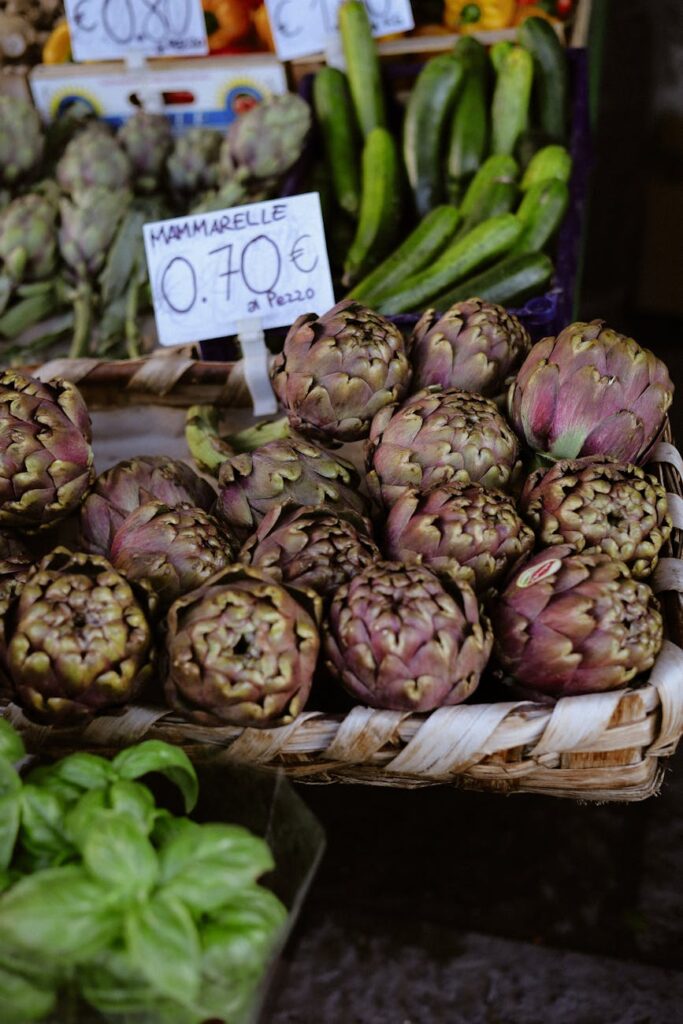
Artichoke Grading Explained
Introduction
Artichokes, with their striking appearance and unique flavor profile, have captivated palates across the globe for centuries. As a versatile ingredient, they are used in various culinary applications, from appetizers to main dishes. However, understanding the nuances of artichoke grading is essential for both consumers and culinary professionals who seek to select the highest quality produce. This article delves into the grading of artichokes, providing insights into their history, production, quality indicators, and practical buying considerations.
What Is Buying?
In the context of food ingredients, “buying” refers to the process of procuring food items—be it for personal consumption, restaurant use, or food production. This process involves evaluating the quality, freshness, and suitability of ingredients based on various criteria, including grading standards. For artichokes, buying not only encompasses selecting the right type and quality but also entails understanding the factors that influence their market availability and pricing.
History and Origins
The artichoke, scientifically known as Cynara cardunculus var. scolymus, has its origins in the Mediterranean region. It is believed to have been cultivated by the ancient Greeks and Romans, who valued it for both its culinary applications and medicinal properties. By the 15th century, artichokes had made their way to France and subsequently to other parts of Europe and the Americas.
Historically, artichokes were regarded as a delicacy and were often reserved for nobility. Their cultivation expanded in the 19th century, particularly in California, which is now one of the leading producers of artichokes in the United States. The evolution of cultivation techniques and breeding practices has led to the development of different varieties, each with distinct characteristics that influence their grading.
Production and Processing
Artichokes thrive in well-drained, fertile soil and require a temperate climate with ample sunlight. They are typically grown in coastal regions, where the climate is conducive to their growth. The primary varieties include the Green Globe, the Purple Italian, and the Baby artichoke, each varying in size, shape, and flavor.
Once harvested, artichokes undergo a processing phase that may include cleaning, trimming, and packaging. The grading process occurs during this phase, where factors such as size, color, and overall appearance are assessed. The grading standards can vary by region but generally follow guidelines set by agricultural departments and industry organizations.
Quality and Grading
Artichokes are graded based on a combination of visual and physical characteristics. The primary grading categories often include:
1. Size
Artichokes are typically classified by size, which can range from small (baby artichokes) to large. Size is an essential factor as it directly influences cooking time and presentation.
2. Color
The color of an artichoke can indicate its freshness and ripeness. High-quality artichokes should exhibit vibrant green hues, while purple varieties should display rich, deep colors. Dull or brown spots may indicate age or spoilage.
3. Firmness
A quality artichoke should feel firm and heavy for its size. Soft or squishy artichokes may be overripe or beginning to rot.
4. Leaves
The leaves of an artichoke should be tightly packed and closed, indicating freshness. Open or wilted leaves may signify that the vegetable is past its prime.
5. Stem
The stem of the artichoke should be firm and fresh-looking. A dried or discolored stem can be a sign of age.
Grading Standards
While there are no universally accepted grading standards for artichokes, many producers adhere to specific guidelines that may categorize them as U.S. No. 1, U.S. No. 2, and so on. U.S. No. 1 artichokes are typically larger, firmer, and of superior quality compared to U.S. No. 2 artichokes, which may have minor defects or size variances.
Buying Considerations
When purchasing artichokes, several factors should be taken into account to ensure you select the best quality:
1. Seasonality
Artichokes are typically in season from late winter through spring. Buying in season often leads to better quality and lower prices.
2. Source
Consider buying from reputable suppliers or farmers’ markets, where produce is often fresher and of higher quality than mass-produced options.
3. Organic vs. Conventional
Organic artichokes may offer a different flavor profile and are often grown without synthetic pesticides. This consideration can impact your choice depending on personal preferences and values.
4. Packaging
If purchasing pre-packaged artichokes, inspect the packaging for freshness dates and signs of damage or spoilage.
5. Preparation Needs
Consider the intended use of the artichokes. Smaller varieties may be ideal for grilling or roasting, while larger ones might be more suitable for stuffing.
Uses and Applications
Artichokes are incredibly versatile and can be used in various culinary applications. They can be steamed, grilled, roasted, or even pickled. Common uses include:
- Appetizers: Artichokes are often served as dips or in salads.
- Main Courses: They can be the star ingredient in pasta dishes or served alongside meats.
- Garnishes: Their striking appearance makes them a popular choice for garnishing plates.
- Refrigeration: Store artichokes in the refrigerator in a plastic bag. This helps retain moisture and keeps them fresh for up to a week.
- Avoid Washing: Do not wash artich
Artichokes can also be incorporated into spreads, sauces, and even pizzas, showcasing their adaptability in different cuisines.
Storage and Shelf Life
Proper storage is crucial to maintaining the quality of artichokes. Here are some guidelines: