
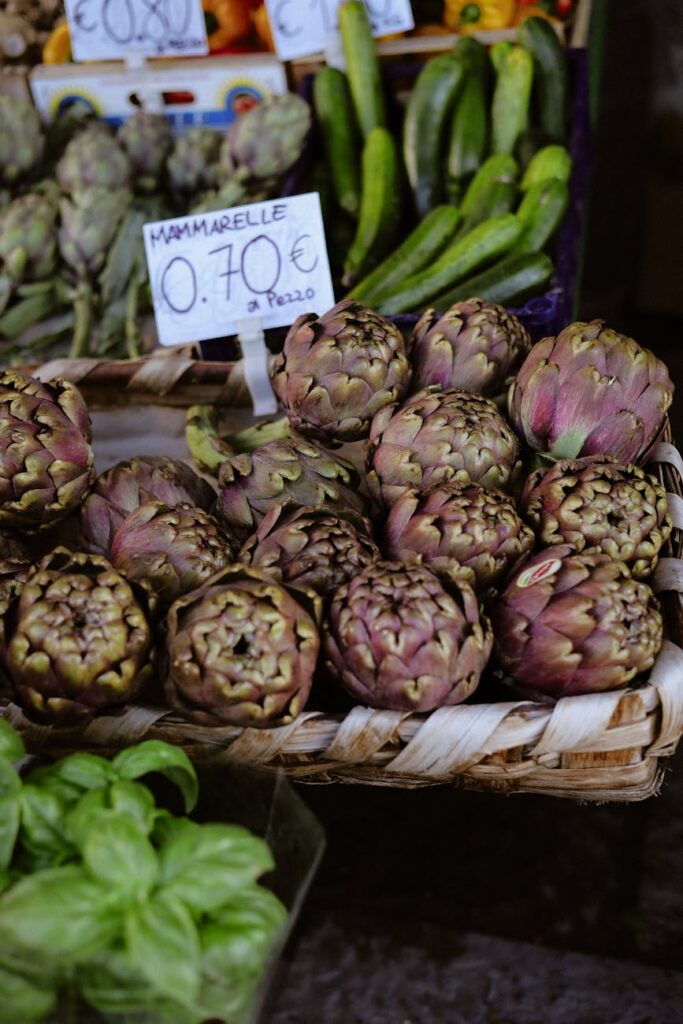
Artichoke in Traditional Cuisine
Introduction
Artichoke, a member of the thistle family, is a unique and versatile vegetable that has earned its place in traditional cuisines across the globe. Known for its distinctive flavor and striking appearance, artichokes have been cultivated and consumed for centuries. This article delves into the traditional culinary uses of artichokes, exploring their history, production, and various applications in kitchens worldwide.
What Is Uses?
In the context of culinary ingredients, “uses” refers to the various ways an ingredient can be utilized in cooking. This encompasses its preparation, cooking methods, and integration into dishes, as well as its cultural significance and historical applications. Understanding the uses of artichoke allows chefs and home cooks alike to appreciate its versatility and incorporate it into a wide range of recipes.
History and Origins
The globe artichoke (Cynara cardunculus var. scolymus) is believed to have originated in the Mediterranean region, particularly in areas that are now part of Italy and Southern France. Historical records suggest that artichokes were cultivated by the ancient Greeks and Romans, who valued them not only for their culinary properties but also for their potential medicinal benefits. In fact, the Roman scholar Pliny the Elder wrote about them in his works, highlighting their popularity among the elite.
As European exploration expanded, so did the artichoke’s reach. In the 16th century, artichokes were introduced to the Americas, where they quickly adapted to local climates. Today, they are cultivated in various regions, including California, Spain, and Italy, each contributing its unique culinary traditions to this remarkable vegetable.
Production and Processing
Artichokes are typically grown in temperate climates with well-drained soil. The production process involves careful cultivation, including regular watering and pest management. Harvesting usually occurs in the spring and early summer when the buds are tightly closed and firm, indicating peak freshness.
Once harvested, artichokes must be processed promptly to maintain their quality. This involves trimming the stem, removing tough outer leaves, and sometimes blanching to preserve color and texture. In many cases, artichokes are canned or frozen for later use, allowing for year-round availability.
Quality and Grading
When selecting artichokes, quality and grading play a crucial role in determining their culinary applications. High-quality artichokes should be firm, heavy for their size, and have tightly closed leaves. The color can range from green to purple, depending on the variety, but should be vibrant and free of blemishes.
Grading typically categorizes artichokes based on size and appearance. Specialty markets may offer premium varieties, while conventional grocery stores often stock standard sizes. For traditional culinary applications, larger artichokes are often favored for their meatier hearts and tender leaves.
Buying Considerations
When purchasing artichokes, consider the following factors:
1. Seasonality: Artichokes are typically in season from March to May in the Northern Hemisphere, making spring the best time to buy fresh produce.
2. Variety: Different varieties, such as the Green Globe or the Violet de Provence, offer unique flavors and textures, which may influence your choice depending on the intended dish.
3. Source: Look for locally sourced or organic artichokes, which may offer better flavor and fewer pesticides.
4. Storage: Fresh artichokes should be stored in the refrigerator, ideally in a perforated plastic bag, and used within a week for optimal quality.
Uses and Applications
Artichokes are remarkably versatile and can be used in various traditional cuisines around the world. Here are some notable applications:
Mediterranean Cuisine
In Mediterranean cooking, artichokes are often featured in salads, pasta dishes, and as antipasti. They are commonly braised with olive oil, garlic, and herbs, enhancing their natural flavor. In Italy, a traditional dish known as “Carciofi alla Romana” involves braising artichokes with mint and parsley, showcasing the vegetable’s earthy notes.
French Cuisine
French cuisine elevates the artichoke to new heights, with dishes such as “Artichauts Barigoule,” which involves braising artichokes with vegetables, herbs, and white wine. The French also enjoy artichokes dipped in vinaigrette or melted butter, allowing the diner to savor each leaf.
Middle Eastern Cuisine
In Middle Eastern cooking, artichokes are often stuffed with rice, herbs, and spices, then simmered in a rich sauce. The combination of flavors and textures makes this a popular dish in various regions, emphasizing the artichoke’s adaptability to different culinary styles.
American Cuisine
In the United States, artichokes are frequently grilled, steamed, or used in dips such as the classic artichoke and spinach dip. The versatility of artichokes allows them to be incorporated into various dishes, from pizzas to casseroles, appealing to a wide audience.
Asian Cuisine
While less common, artichokes are also utilized in certain Asian cuisines. For instance, they can be found in fusion dishes that blend traditional flavors with novel ingredients, appealing to contemporary palates.
Storage and Shelf Life
Fresh artichokes should ideally be stored in the refrigerator, where they can last for about a week. To maintain their quality, wrap them in a damp paper towel and place them in a perforated plastic bag. For longer storage, cooked artichokes can be refrigerated for 3 to 5 days or frozen for several months, although freezing may alter their texture.
Canned and jarred artichokes offer convenience and a longer shelf life, making them a popular choice for many home cooks. Always check for expiration dates and ensure that the packaging is intact before purchasing.
Common Misconceptions
Despite their popularity, several misconceptions about artichokes persist:
1. Artichokes Are