
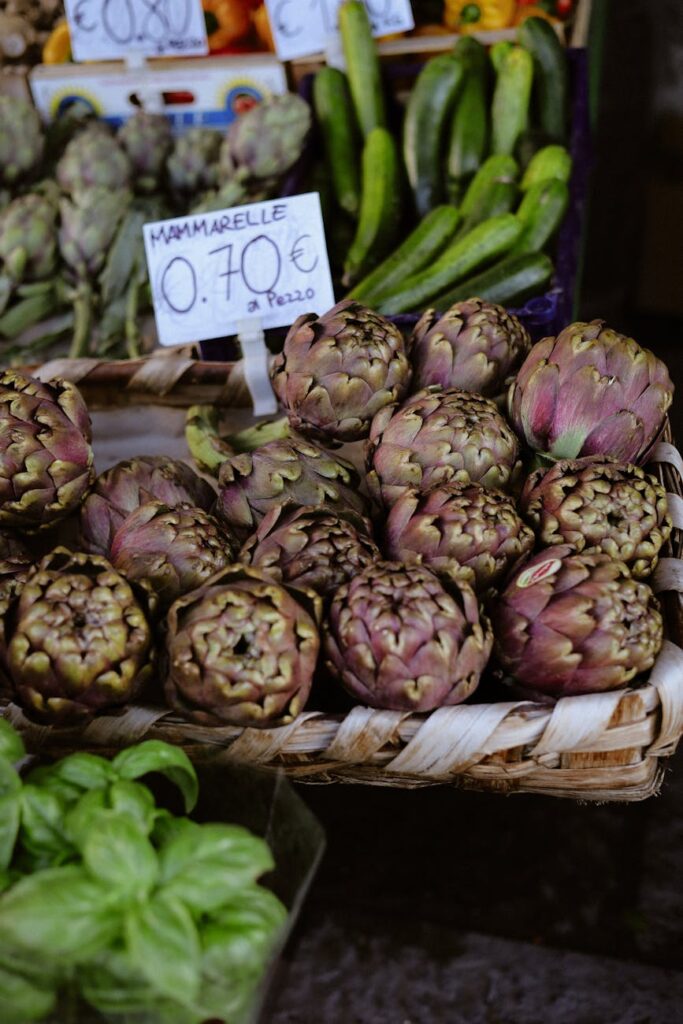
Artichoke: Origins and Evolution
Introduction
The artichoke, a unique and visually striking vegetable, has captivated culinary enthusiasts and health-conscious individuals alike for centuries. Known for its distinctive shape and flavor, the artichoke is not only a culinary delight but also a subject of fascinating history and evolution. This article delves into the origins, cultivation, processing, and various uses of artichokes, while also addressing common misconceptions and answering frequently asked questions.
What Is About?
The artichoke (Cynara scolymus) belongs to the Asteraceae family, which also includes sunflowers and daisies. Often classified as a thistle, the artichoke is known for its edible buds, which are harvested before they bloom into purple flowers. Its tender, fleshy leaves and heart are consumed in a variety of dishes, ranging from appetizers to main courses. Beyond its culinary applications, artichokes are also celebrated for their nutritional benefits, making them a popular choice in various diets.
History and Origins
The history of the artichoke can be traced back to the Mediterranean region, where it was cultivated by the ancient Greeks and Romans. Historical records suggest that the artichoke was first domesticated in the Mediterranean basin, particularly in regions that are now modern-day Italy and Spain. The vegetable has been revered not only for its flavor but also for its aesthetic appeal, often being featured in art and literature of the time.
The word “artichoke” is derived from the Arabic term “al-ḵuršūf,” which was introduced to Europe through trade routes. This vegetable gained popularity during the Renaissance, when it became a staple in the diets of the European elite. By the 18th century, artichokes were cultivated in England and France, further spreading their popularity across the continent.
In the United States, artichokes were introduced in the 19th century, primarily in California, which remains the leading producer of artichokes today. The state’s climate, with its mild winters and sunny summers, provides an ideal environment for growing this delicate plant.
Production and Processing
Artichoke production primarily occurs in temperate climates. The plant thrives in well-drained soil enriched with organic matter, requiring a suitable balance of water and sunlight for optimal growth. California, particularly the coastal areas, accounts for over 99% of the United States’ artichoke production, with Castroville often referred to as the “Artichoke Capital of the World.”
Harvesting artichokes is a labor-intensive process. The buds are hand-picked when they are immature, typically before they reach full bloom. Careful timing is crucial, as overripe buds can become tough and unpalatable. Once harvested, artichokes are subjected to various processing methods, including washing, trimming, and packaging, to prepare them for market distribution.
In recent years, advancements in agricultural technology have improved the efficiency of artichoke farming. Organic farming practices have also gained traction, with many producers opting for sustainable methods that minimize environmental impact.
Quality and Grading
Artichokes are graded based on size, color, and overall quality. The highest quality artichokes are characterized by their compact buds, tender leaves, and vibrant green color. Grading standards can vary by region; however, they generally include classifications such as U.S. Fancy, U.S. No. 1, and U.S. No. 2.
When purchasing artichokes, consumers should look for buds that are heavy for their size, with tightly closed leaves. Open or dried-out leaves can indicate that the artichoke is past its prime. Freshness is key, as artichokes can lose their desirable texture and flavor over time.
Buying Considerations
When buying artichokes, consumers should consider several factors to ensure they are selecting the best product. First, freshness is paramount; artichokes should be firm, with tightly closed leaves and no discoloration. Ideally, they should be purchased in the spring, when they are in season.
Locally grown artichokes may offer the best flavor and quality, as they typically have a shorter time between harvest and sale. When purchasing pre-packaged artichokes, consumers should check for any signs of damage or decay, such as bruising or browning.
Additionally, organic artichokes may be preferable for those seeking produce that is grown without synthetic pesticides or fertilizers. While these may be more expensive, many consumers believe the flavor and environmental benefits justify the cost.
Uses and Applications
Artichokes are versatile and can be utilized in various culinary applications. They can be steamed, boiled, grilled, or roasted, each method offering a unique flavor profile. The tender leaves can be pulled off and dipped in sauces or used as a flavorful element in salads, pastas, and risottos.
The heart of the artichoke is prized for its rich flavor and can be used in numerous dishes, including dips, pizzas, and as a filling for stuffed vegetables. Additionally, artichokes lend themselves well to preservation methods such as pickling or marinating, allowing them to be enjoyed year-round.
Beyond its culinary uses, artichokes are often featured in gourmet cuisine and high-end restaurants, where chefs showcase the vegetable’s unique taste and textural qualities. Its visually appealing shape also makes it a favorite for garnishing dishes.
Storage and Shelf Life
Proper storage is essential for maintaining the quality of artichokes. Fresh artichokes should be kept in the refrigerator, ideally in a perforated plastic bag to allow for air circulation. When stored correctly, they can last for up to a week.
For longer-term storage, artichokes can be blanched and frozen. However, it is important to note that freezing may alter their texture, which may not be suitable for all culinary applications. Canned or jarred artichokes are also available and