
Arugula in Traditional Cuisine
Introduction
Arugula, commonly known as rocket or rucola, is a leafy green vegetable that has been celebrated for its distinct peppery flavor and nutritional benefits. Its versatile nature allows it to be utilized in various culinary traditions across the globe. This article delves into the myriad uses of arugula within traditional cuisines, exploring its historical significance, production processes, storage techniques, and much more.
What Are Uses?
In the context of culinary ingredients, “uses” refers to the various applications and roles that a particular ingredient can play in cooking and food preparation. For arugula, its uses span from salads and garnishes to more complex culinary creations. Understanding these uses is essential for appreciating the ingredient’s versatility and potential in both traditional and modern dishes.
History and Origins
Arugula (Eruca sativa) has a rich history that dates back to ancient times. Originally native to the Mediterranean region, especially Italy and Greece, arugula was cultivated by the Romans, who regarded it as a potent aphrodisiac. The Romans not only consumed it but also used it as a medicinal herb.
As trade routes expanded, arugula found its way into various cultures, influencing culinary practices across Europe and beyond. By the Middle Ages, it gained popularity in salads, and its use continued to spread, particularly in Italian cuisine, where it remains a staple today.
Production and Processing
Arugula is typically grown as a cool-season crop, thriving in well-drained soil with ample sunlight. The plant grows quickly, usually maturing in as little as 20 to 40 days after sowing. This rapid growth cycle makes it an attractive option for home gardeners and commercial farmers alike.
Once harvested, arugula undergoes minimal processing. Typically, it is washed to remove dirt and pesticides before being packaged for sale. In some cases, arugula is preserved through methods such as blanching and freezing, although fresh arugula is preferred for its flavor and texture.
Quality and Grading
The quality of arugula can significantly affect its culinary applications. Fresh arugula should have vibrant green leaves, a crisp texture, and a peppery aroma. When grading arugula, factors such as leaf size, color, and absence of blemishes or wilting are taken into account. Higher-quality arugula is generally more flavorful and desirable for use in salads and garnishes.
Buying Considerations
When purchasing arugula, several factors should be considered to ensure the best quality. Look for:
- Freshness: Choose arugula that appears vibrant, with no signs of yellowing or wilting.
- Source: Local or organic arugula may offer superior flavor and quality.
- Seasonality: Arugula is usually at its peak in spring and fall; buying in-season may yield the best results.
- Packaging: If purchasing pre-packaged arugula, ensure the packaging is intact and free from moisture, which can promote spoilage.
- Misconception 1: Arugula is just a salad green. While it is well-known for its use in salads, its culinary applications extend far beyond that.
- Misconception 2: All arugula tastes the same. The flavor of arugula can vary significantly depending on the variety and growing conditions. Some types are milder, while others are more intensely peppery
Uses and Applications
Arugula’s unique flavor profile and nutritional benefits make it a versatile ingredient in various traditional cuisines. Here are some prominent applications:
Salads
Arugula is perhaps most famous for its role in salads. Its peppery taste pairs well with a variety of ingredients. In Italian cuisine, arugula is often featured in simple salads, dressed with olive oil, lemon juice, and a sprinkle of Parmesan cheese.
Garnishes
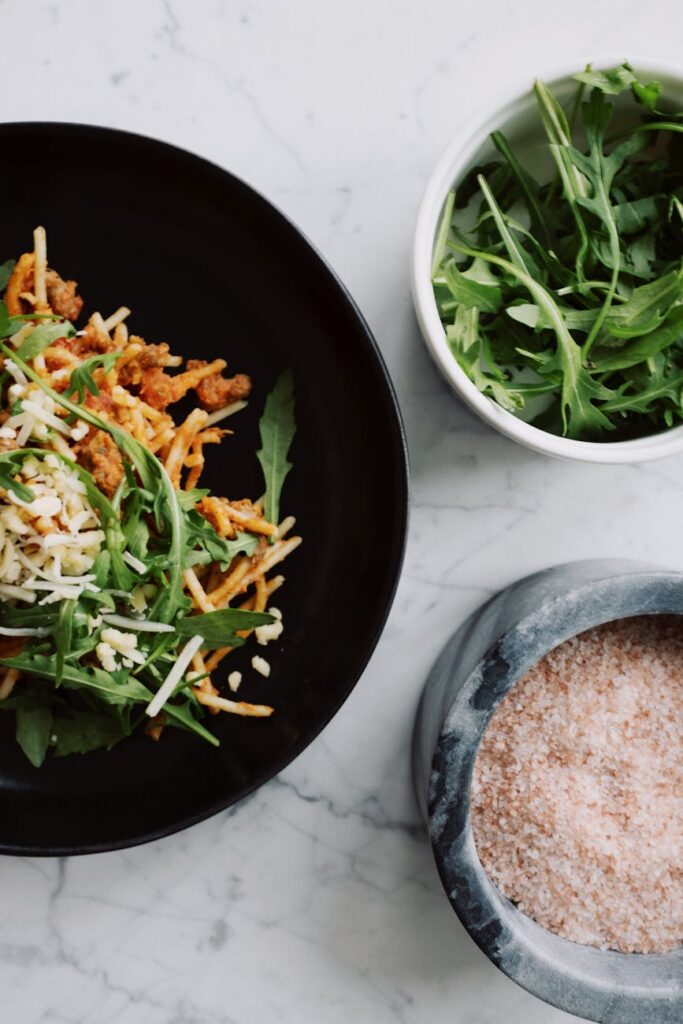
The vibrant leaves of arugula make for an attractive garnish. Chefs often use it to add a touch of color and flavor to dishes such as pizzas, pastas, and even grilled meats.
Pesto
In some regions, arugula is utilized as a base for pesto. When blended with nuts, garlic, and olive oil, arugula pesto offers a unique twist on the classic basil version, adding a peppery bite to pasta dishes and spreads.
Soups and Stews
While less common, arugula can also be incorporated into soups and stews. Its leaves can be added towards the end of cooking to provide a fresh, peppery flavor, enhancing the overall taste of the dish.
Pizza and Flatbreads
In Italian cuisine, arugula is often used as a topping for pizzas and flatbreads. It is usually added after baking to preserve its texture and flavor, contributing a fresh burst of taste to the dish.
Smoothies
Arugula’s nutritional benefits make it an appealing addition to smoothies. Its peppery flavor complements sweeter fruits, allowing for a balanced and healthful drink.
Infused Oils
Arugula can also be used to create infused oils, which serve as flavorful dressings or dips. Infusing oil with arugula can yield a unique product that enhances various dishes, from salads to grilled vegetables.
Storage and Shelf Life
To maximize freshness, arugula should be stored in the refrigerator, ideally in a perforated plastic bag or container to allow for air circulation. Properly stored, arugula can last for about 3 to 5 days.
It is advisable to avoid washing arugula until just before use, as excess moisture can lead to quicker spoilage. If you notice any yellowing leaves, they should be removed promptly to prolong the shelf life of the remaining leaves.
Common Misconceptions
Despite its popularity, several misconceptions about arugula persist: