
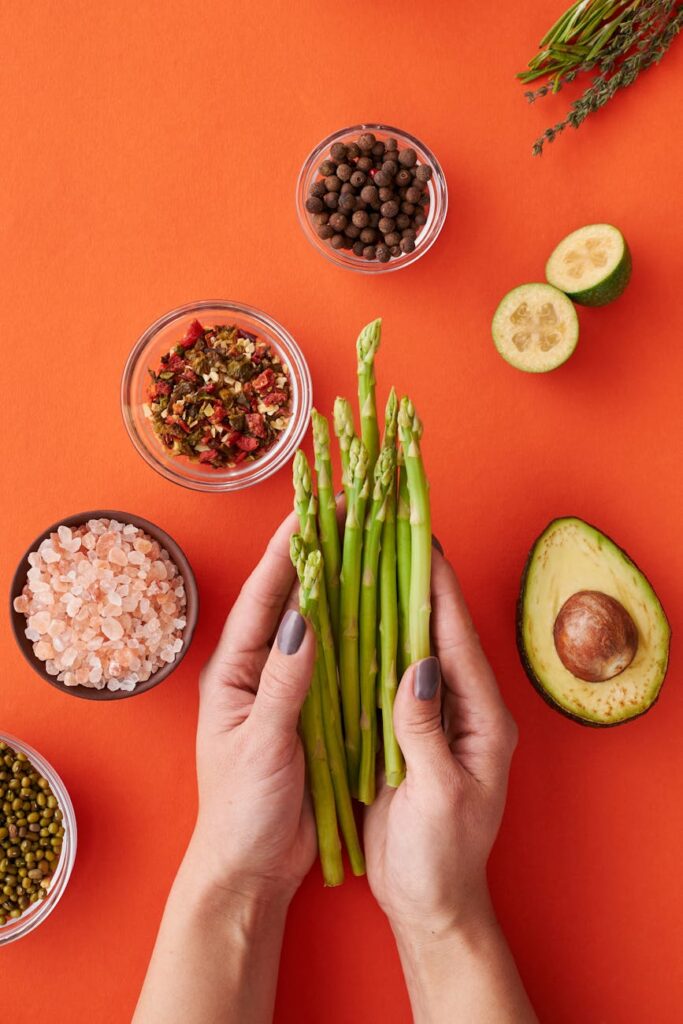
Asparagus Around the World
Introduction
Asparagus, scientifically recognized as Asparagus officinalis, is a perennial vegetable that has captivated palates for centuries. Known for its distinctive spear-like shape and unique flavor, asparagus is a culinary delight enjoyed across the globe. Cultivated in various regions, it reflects a rich tapestry of cultural significance, agricultural practices, and gastronomic innovation. In this article, we will explore the regions where asparagus thrives, delving into its historical roots, production methodologies, grading systems, and common misconceptions.
What Is Regions?
In the context of food ingredients, “regions” refers to the geographical areas where specific crops are cultivated, each characterized by unique climatic conditions, soil types, and agricultural practices. These factors contribute to the distinct qualities of the ingredients produced in those areas. For asparagus, regions can vary widely, from the temperate climates of Europe and North America to the warmer zones of South America and Asia. Each of these regions contributes to the diversity of asparagus varieties and flavors available in the global market.
History and Origins
The history of asparagus dates back over 2,000 years, with its origins traced to the eastern Mediterranean region. Ancient Egyptians prized asparagus, evidenced by its depiction in hieroglyphics, while the Greeks and Romans celebrated it for its taste and purported health benefits. The Romans were instrumental in cultivating asparagus, developing techniques for its preservation, such as drying, which allowed it to be enjoyed year-round.
By the Middle Ages, asparagus had spread throughout Europe, with France and Germany emerging as significant cultivators. The 19th century marked a pivotal point in asparagus cultivation, particularly in the United States. The first recorded asparagus planting in North America occurred in the 1600s, and by the late 19th century, it had become a popular garden vegetable. Today, asparagus is cultivated in numerous regions worldwide, with the United States, China, Peru, and Mexico leading in production.
Production and Processing
Asparagus thrives in well-drained, sandy loam soils and requires a temperate climate with plenty of sunlight. The cultivation process starts with the establishment of crowns—pieces of the root system that are planted in spring. After a few years, these crowns develop into productive plants, yielding spears that can be harvested.
In the U.S., California is the leading state for asparagus production, benefiting from its mild climate and fertile soils. Fields are typically prepared in the fall, and harvesting occurs in the spring when spears reach about 6 to 8 inches in height. Unlike many vegetables, asparagus is harvested selectively; only the largest, most tender spears are picked, allowing smaller ones to continue growing.
Post-harvest, asparagus requires immediate processing to maintain its freshness. It is commonly washed, trimmed, and sorted before being packaged for distribution. Some producers utilize methods such as blanching or freezing to extend shelf life while preserving flavor and texture.
Quality and Grading
The quality of asparagus is determined by several factors, including size, color, and firmness. Generally, asparagus spears are graded based on their diameter and length. The USDA categorizes asparagus into three primary grades:
1. U.S. Extra Fancy: The highest quality, featuring straight, uniform spears that are tender and vibrant green.
2. U.S. Fancy: Slightly less uniform than Extra Fancy, but still high quality, with a good appearance and flavor.
3. U.S. No. 1: This grade permits more irregularities in size and shape but must still be firm and fresh.
Color also plays a significant role in grading. Green asparagus is the most common, but purple and white varieties exist, each offering unique flavor profiles. Purple asparagus tends to be sweeter, while white asparagus, which is grown underground to prevent photosynthesis, has a more delicate taste.
Buying Considerations
When purchasing asparagus, several key factors should be considered to ensure optimal quality. Look for spears that are firm, straight, and have tightly closed tips. Avoid those with wilted or dry ends, as this indicates aging. Color is also crucial; vibrant green spears are preferable, while those with yellowing might be past their prime.
Seasonality is another important aspect; fresh asparagus is typically available from late winter through early summer, depending on the region. In the U.S., the peak season is from April to June. During this time, local asparagus is often the freshest and most flavorful option.
If purchasing pre-packaged asparagus, check for any signs of moisture inside the packaging, as this can indicate spoilage. Additionally, consider the source; locally sourced asparagus often has a lower environmental impact and supports regional agriculture.
Uses and Applications
Asparagus is a versatile ingredient that can be utilized in a myriad of culinary applications. It can be grilled, steamed, roasted, or blanched, making it suitable for various dishes ranging from salads to main courses. Its delicate flavor pairs well with a variety of ingredients, including lemon, garlic, and olive oil.
In addition to traditional culinary uses, asparagus is also popular in modern gastronomy. Chefs often employ it in more innovative ways, such as in purees, soups, or even as a garnish for cocktails. Asparagus can also serve as a key ingredient in vegetarian and vegan dishes, providing texture and nutritional value.
In many cultures, asparagus is celebrated as a springtime delicacy. For instance, in Germany, the asparagus season is marked by festivals dedicated to the vegetable, while in Italy, it features prominently in seasonal dishes.
Storage and Shelf Life
Asparagus is best enjoyed fresh, but proper storage can extend its shelf life. To maintain freshness, asparagus should be stored upright in a container with water or wrapped in a damp paper towel and placed in a plastic bag in the refrigerator. This method helps prevent the spears from drying out.
When stored correctly, fresh asparagus can last up to a