
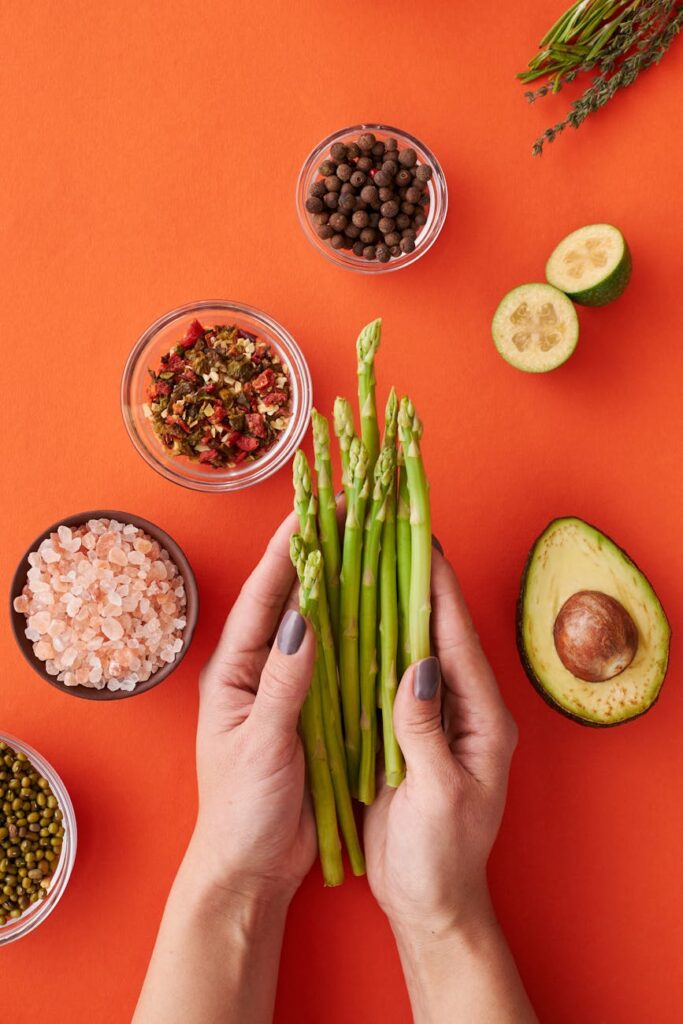
Asparagus Buying Guide Part 6
Introduction
Asparagus, with its vibrant green stalks and delicate flavor, has long been a favorite among culinary enthusiasts and health-conscious consumers alike. This versatile vegetable can elevate a myriad of dishes, from simple salads to gourmet entrees. However, the key to enjoying the best asparagus lies in understanding its buying process. This guide aims to equip you with the knowledge necessary to make informed purchasing decisions, ensuring you select the finest asparagus available.
What Is Buying?
In the context of food ingredients, “buying” refers to the process of selecting and purchasing food items based on quality, price, and intended use. For asparagus, this includes not only choosing the right variety but also assessing freshness, size, and origin. Buying asparagus can significantly impact your culinary experience, as the quality of the ingredient often determines the final outcome of any dish. A well-informed buyer is better positioned to select asparagus that meets their culinary needs and preferences.
History and Origins
Asparagus (Asparagus officinalis) has a storied history that dates back over 2,000 years. Originating from the eastern Mediterranean region, it was cultivated by the Ancient Egyptians, Greeks, and Romans, who prized it for its delicate flavor and nutritional benefits. The word “asparagus” is derived from the Greek word “asparagos,” which means “sprout” or “shoot.”
Historically, asparagus was not just a food item but also a symbol of luxury. It was often served at banquets and was considered a delicacy in royal courts. Over time, the cultivation of asparagus spread across Europe and later to the Americas, where it became a staple in various cuisines. Today, asparagus is grown in many countries, including the United States, Mexico, and China, making it accessible to consumers worldwide.
Production and Processing
Asparagus is a perennial plant, meaning it can produce shoots for several years once established. The primary growing regions in the United States include California, Michigan, and New Jersey, with California leading in production due to its favorable climate. Asparagus thrives in well-drained soil with ample sunlight, typically harvested during the spring months when the shoots are young and tender.
During harvesting, asparagus is typically cut by hand to preserve the quality of the stalks. Once collected, the asparagus undergoes a series of processing steps to ensure freshness, including washing, trimming, and packing. It is essential to minimize the time between harvest and sale, as asparagus is highly perishable. Proper handling practices are crucial in maintaining the quality of the product.
Quality and Grading
As with many vegetables, asparagus is graded based on size, tenderness, and overall appearance. The U.S. Department of Agriculture (USDA) has established specific standards for grading asparagus, which include:
- Grade A: These stalks are straight, firm, and tender, with a vibrant green color and a closed tip. They are the highest quality available and are often sold at premium prices.
- Grade B: While still edible, Grade B asparagus may exhibit slight imperfections in size or shape. The stalks may be slightly thicker and have a more open tip, but they are still suitable for cooking.
- Grade C: This grade includes asparagus that is overmature or has significant blemishes. Although it may not be ideal for presentation, it can still be used in soups or casseroles.
- Salads: Fresh asparagus can be blanched or grilled and incorporated into salads for added texture and flavor.
- Soups: Creamy asparagus soup is a classic preparation that highlights the vegetable’s delicate taste.
- Stir-fries: Asparagus pairs well with a variety of proteins and other vegetables, making it a popular choice in stir-fry dishes.
- Roasting and Grilling: Roasting or grilling asparagus enhances its natural sweetness and adds a smoky flavor.
- Pasta Dishes: Asparagus can be a fantastic addition to pasta, offering both visual appeal and a delightful crunch.
- Refrigeration: Store asparagus in the refrigerator, ideally standing upright in a glass of water, much like a
When buying asparagus, look for firm stalks and tightly closed tips, as these indicators often signify freshness. Avoid stalks that are limp or have begun to wilt, as this can indicate age.
Buying Considerations
When purchasing asparagus, certain factors can significantly influence your choice:
1. Seasonality: Asparagus is typically in season from late winter to early summer, with peak availability in April and May. Buying during these months often ensures better quality and flavor.
2. Freshness: Always check for firmness and vibrant color. Fresh asparagus should snap easily when bent. If the ends are woody or dry, it may be a sign of aging.
3. Thickness: Thicker stalks are often considered more flavorful and tender, while thinner stalks may be more delicate. Your choice may depend on the dish you plan to prepare.
4. Origin: Local asparagus is often fresher, as it has a shorter journey from farm to market. However, imported asparagus may offer more variety in the off-season.
5. Organic vs. Conventional: Organic asparagus is grown without synthetic pesticides or fertilizers. While it may be more expensive, some consumers prefer it for environmental or health reasons.
6. Packaging: If buying pre-packaged asparagus, check for any signs of moisture inside the packaging, which can indicate spoilage.
Uses and Applications
Asparagus is an incredibly versatile ingredient that can be utilized in a myriad of culinary applications. Its unique flavor profile allows it to shine in various dishes, including:
Its culinary versatility makes asparagus a favored ingredient among chefs and home cooks alike.
Storage and Shelf Life
Proper storage is essential to maintain the freshness and quality of asparagus. Here are some recommended practices: