
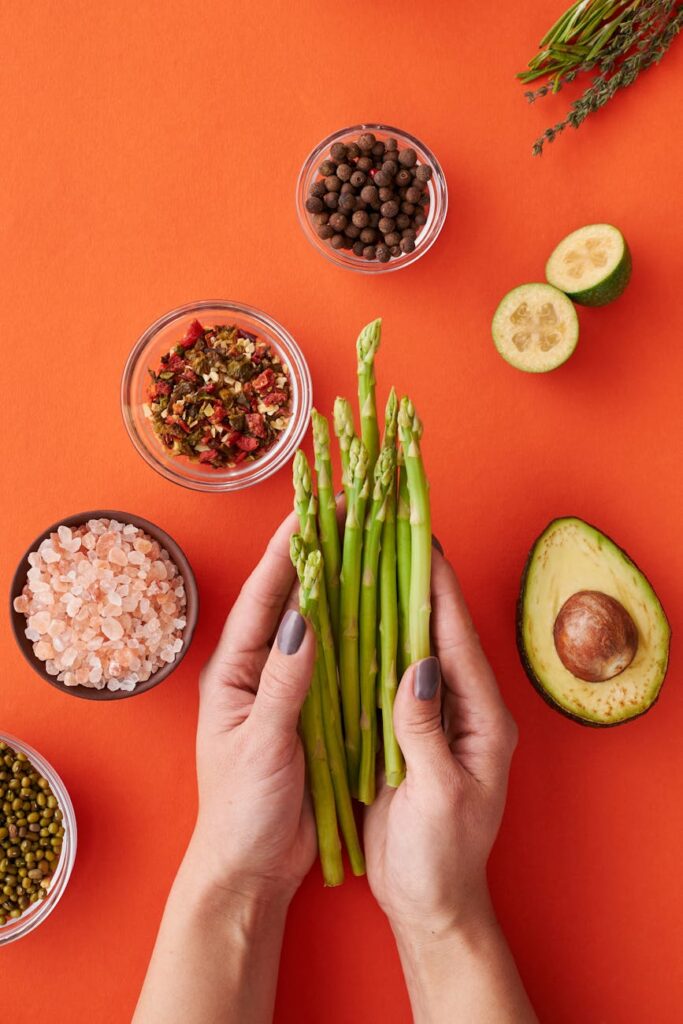
Asparagus FAQs Answered
Introduction
Asparagus, often regarded as a delicacy, is a highly versatile vegetable known for its unique flavor, tender texture, and vibrant green hue. Its culinary appeal transcends cultures and cuisines, making it a staple in various dishes worldwide. This article delves into the comprehensive topic of asparagus, addressing its history, production, quality, and more, while also answering frequently asked questions to enhance your understanding of this remarkable ingredient.
What Is Asparagus?
Asparagus (Asparagus officinalis) is a perennial vegetable belonging to the lily family, which includes onions, garlic, and leeks. Characterized by its tall, slender spears, asparagus can vary in color from green to white and purple, each type offering a unique taste profile and culinary application. The vegetable is typically harvested in spring when the spears are young and tender, ensuring optimal flavor and texture. Asparagus is celebrated not only for its culinary versatility but also for its nutritional profile, which includes vitamins A, C, E, and K, as well as dietary fiber.
History and Origins
The history of asparagus dates back over 2,000 years, with roots tracing to ancient civilizations such as Egypt, Greece, and Rome. The Egyptians cultivated it for both culinary and medicinal purposes, while the Greeks and Romans heralded it as a gourmet delicacy. The name “asparagus” is derived from the Greek word “asparagos,” meaning “shoot” or “sprout.”
Asparagus spread throughout Europe during the Middle Ages, with France and Spain becoming key growers. By the 18th century, it gained popularity in England, leading to its introduction to North America in the early 1600s. Today, asparagus is cultivated in many regions around the world, including the United States, China, and Peru, each contributing to a global market that thrives on this exquisite vegetable.
Production and Processing
Asparagus is typically grown in well-drained, sandy soil rich in organic matter, as it thrives in environments that allow for proper drainage and aeration. The cultivation process begins with the planting of crowns—young, dormant plants—which are typically set in the spring. Asparagus requires several years of care before it can be harvested, as the plants need to establish a robust root system.
Harvesting is a labor-intensive process, as the spears must be cut by hand at the precise moment they reach the desired height. Depending on the region and variety, the harvest season can last from a few weeks to several months. Following harvesting, asparagus is often sorted, washed, and packaged for distribution, with the aim of preserving freshness and quality.
Quality and Grading
Quality asparagus is characterized by its firmness, vibrant color, and absence of blemishes or soft spots. The grading of asparagus typically falls into three categories:
1. Grade A: This grade includes the largest and most uniform spears, which are straight and have a vibrant color. Grade A asparagus is often the most sought after in culinary applications due to its aesthetic appeal and superior texture.
2. Grade B: These spears may be slightly smaller or less uniform in size but still maintain good quality. They are often used in processed products or dishes where appearance is less critical.
3. Grade C: This grade includes smaller, thinner spears that may have some blemishes. While they are less desirable for fresh consumption, they can still be utilized in cooking or processing.
When selecting asparagus, consumers should look for spears that are tightly closed at the tips and have a glossy appearance, indicating freshness.
Buying Considerations
When purchasing asparagus, several factors should be taken into account to ensure quality and freshness:
- Seasonality: Asparagus is typically in season from spring to early summer, making this the ideal time to purchase fresh spears. Off-season asparagus may be available, but it is often imported and may lack the same flavor and texture.
- Color and Appearance: Look for asparagus with a vibrant green color. If you are buying white or purple varieties, ensure they are also fresh and free from blemishes.
- Thickness: The thickness of the spears can influence cooking time and texture. Thicker spears tend to be more tender, while thinner ones can be more fibrous. Personal preference plays a significant role in this choice.
- Local vs. Imported: Whenever possible, opt for locally grown asparagus to support local agriculture and enjoy the freshest product available.
- Organic vs. Conventional: Consider whether you prefer organic asparagus, which is grown without synthetic pesticides and fertilizers, or conventional varieties. Both can be of high quality, but organic options may appeal to those seeking to minimize chemical exposure.
- Refrigeration: Store asparagus in the refrigerator, ideally standing upright in a container with a small amount of water, similar to how you would store fresh flowers. This helps retain moisture and crispness.
- Wrap in Damp Paper Towels: If standing in water is not feasible, wrap the spears in damp paper towels and place them in a perforated plastic bag to allow for air circulation.
- Shelf Life: When stored correctly, fresh asparagus can last up to a week in the refrigerator. However, it is best consumed as soon as possible for optimal flavor and texture.
- Only Green Asparagus Exists: While green asparagus is the most recognized variety, there are also white and purple cultivars, each with distinct flavors and uses.
- Asparagus Is Always Expensive: The price of asparagus can vary significantly based on seasonality and region. While it may be more expensive than some vegetables, it can also be found at reasonable prices during peak season.
- You Should Peel Asparagus: Not all asparagus requires peeling. Young, tender spears can be cooked directly, while older or thicker spears may benefit from peeling to remove tough outer layers.
Uses and Applications
Asparagus is a culinary chameleon, finding its way into a wide array of dishes. It can be grilled, steamed, roasted, or sautéed, serving as a side dish, main ingredient, or garnish. Its subtle flavor pairs well with ingredients such as lemon, garlic, and cheese, making it a favorite in pasta dishes, salads, and risottos.
In addition to its culinary applications, asparagus can also be pickled or puréed into soups and sauces. The versatility of asparagus allows it to be used in both simple and complex dishes, catering to various tastes and dietary preferences.
Storage and Shelf Life
To maintain freshness, asparagus should be stored properly. Here are some guidelines:
If you find yourself with excess asparagus, blanching and freezing can also be an effective preservation method. Blanch the spears in boiling water for a few minutes, then plunge them into ice water before freezing in airtight bags.
Common Misconceptions
Despite its popularity, several misconceptions surround asparagus:
Frequently Asked Questions
1. How can I tell if asparagus is fresh?
Fresh asparagus should be firm to the touch, with tightly closed tips and a vibrant color. Avoid spears that are limp, wilted, or have dried-out tips.
2. What is the best way to cook asparagus?
The best cooking method depends on personal preference. Steaming, grilling, and roasting are popular options that enhance the vegetable’s natural flavors while preserving nutrients.
3. Can I eat the whole asparagus spear?
Yes, the entire spear is edible. However, if you encounter tough or woody ends, it’s advisable to trim those off before cooking.
4. Is asparagus available year-round?
While asparagus can be found year-round due to global imports, its peak season is in spring and early summer. During this time, the flavor and quality are at their best.
5. How do I prepare asparagus before cooking?
Rinse the spears under cold water to remove any dirt or sand. Trim the bottom ends, which may be tough, and consider peeling thicker spears if desired.
6. Is asparagus a healthy vegetable?
Asparagus is rich in vitamins, minerals, and dietary fiber, making it a nutritious addition to a balanced diet. It is low in calories and provides various health benefits, including antioxidant properties.
Conclusion
Asparagus is a multifaceted ingredient with a rich history, diverse culinary applications, and a range of nutritional benefits. By understanding its origins, production methods, and best practices for purchasing and storing, you can fully appreciate this exquisite vegetable. Whether enjoyed as a simple side dish or a key ingredient in gourmet creations, asparagus continues to captivate the palates of food enthusiasts around the world.