
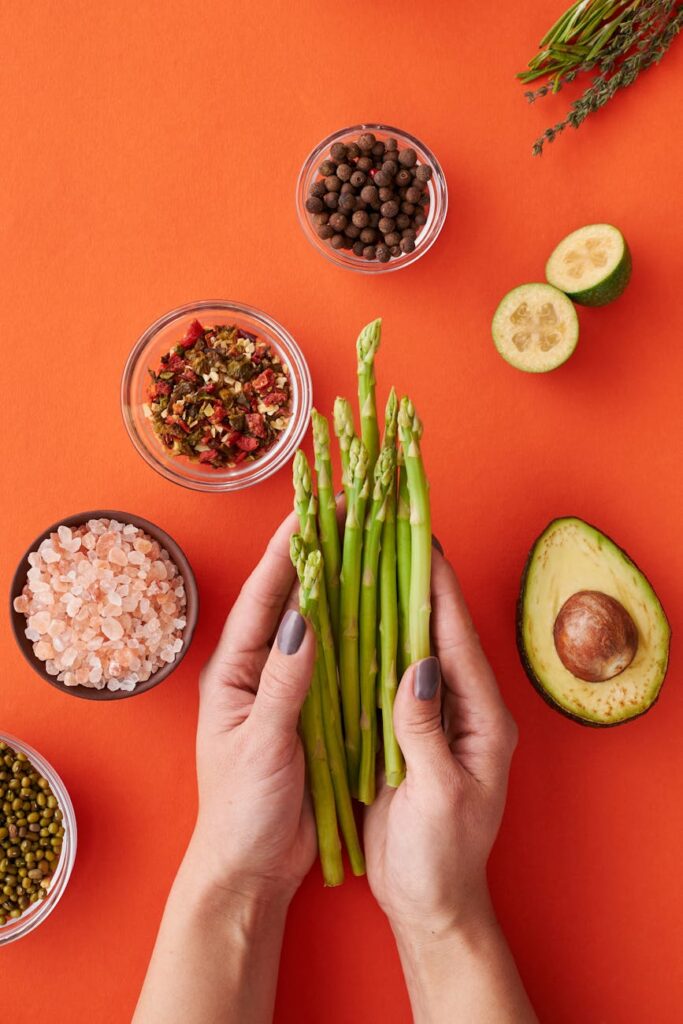
Asparagus in Traditional Cuisine
Introduction
Asparagus, a perennial vegetable belonging to the lily family, has captivated culinary enthusiasts for centuries with its unique flavor and texture. Recognized for its tender spears and vibrant green color, this versatile ingredient finds its way into a multitude of dishes across various cuisines. In traditional settings, asparagus is celebrated not just for its taste but also for its cultural significance, seasonal availability, and regional variations. This article explores the uses of asparagus in traditional cuisine, tracing its history, production, culinary applications, and more.
What Is Uses?
In the context of culinary ingredients, “uses” refers to the various ways in which a particular ingredient can be incorporated into dishes, how it is prepared, and the significance it holds in different culinary traditions. For asparagus, uses encompass a wide array of cooking methods, flavor pairings, and its role in regional dishes. Understanding these uses enhances appreciation for the ingredient, allowing chefs and home cooks alike to harness its full potential.
History and Origins
Asparagus has a rich history that dates back over 2,000 years. It is believed to have originated in the Mediterranean region, with ancient Egyptians, Greeks, and Romans recognizing its culinary and medicinal properties. The Greeks considered asparagus a delicacy, while the Romans enjoyed it in various preparations, often cooking it quickly to preserve its delicate flavor.
Throughout the Middle Ages, asparagus cultivation spread across Europe, particularly in France and Germany. By the 16th century, it became a popular vegetable among the aristocracy, often featured in elaborate banquets. In the 18th century, asparagus made its way to North America, where it was cultivated by early settlers and has since grown in popularity.
Production and Processing
Asparagus is primarily grown in temperate climates, with major production areas including the United States, Mexico, and parts of Europe. The vegetable thrives in well-drained soil and requires a sunny environment to flourish. Harvesting typically occurs in the spring, when the spears are tender and ideally sized. Farmers hand-harvest the spears, ensuring that only the best quality stalks are selected.
Processing asparagus involves trimming the ends, washing, and packaging for distribution. Fresh asparagus is often sold in bundles, while canned and frozen varieties are also available, providing year-round accessibility to this seasonal vegetable.
Quality and Grading
The quality of asparagus is determined by several factors, including size, color, and freshness. In general, premium asparagus is characterized by firm, straight spears with tightly closed tips. The color can range from deep green to purple, depending on the variety, and both are desirable. Grading systems may vary by region, but generally, asparagus is classified into grades such as U.S. No. 1, which signifies high quality, and lower grades for spears that do not meet premium standards.
Consumers should look for vibrant, crisp asparagus without blemishes or soft spots. The freshness of asparagus can significantly affect its taste and texture, making it essential to choose high-quality specimens for culinary use.
Buying Considerations
When purchasing asparagus, several considerations come into play. Seasonal availability is paramount; fresh asparagus is typically at its peak from late winter through early summer. This seasonal aspect not only influences flavor and texture but also impacts price, as out-of-season asparagus is often more expensive.
Consumers should also consider the variety of asparagus available. Green asparagus is the most common but other varieties, such as white and purple asparagus, offer distinct flavors and textures. White asparagus, grown without sunlight, is milder and more tender, while purple asparagus has a slightly sweeter taste.
Additionally, local sourcing is encouraged when possible, as freshly harvested asparagus tends to have superior flavor and nutritional quality. In farmer’s markets or specialty grocery stores, consumers may find organic options, which are often preferred for their environmental benefits.
Uses and Applications
Asparagus is celebrated for its versatility in traditional cuisines around the world. Its uses span from simple preparations to complex dishes, showcasing its ability to complement a variety of flavors:
European Cuisine
In Italy, asparagus is often featured in risottos and pastas, where its delicate flavor pairs beautifully with creamy sauces. In France, asparagus is a classic component of “asparagus vinaigrette,” a dish that highlights the vegetable’s natural taste through a light dressing. The French also enjoy it steamed or grilled, served alongside hollandaise sauce or simply drizzled with olive oil.
Asian Cuisine
In Asian culinary traditions, asparagus is frequently stir-fried with garlic, soy sauce, and sesame oil, allowing it to retain its crisp texture. In Japanese cuisine, it may be found in sushi rolls or tempura, where the spears are lightly battered and fried, adding a delightful crunch.
American Cuisine
In the United States, asparagus is often used as a side dish, grilled or roasted and seasoned with salt and pepper. It may also be incorporated into salads, casseroles, and frittatas, showcasing its adaptability in various meal contexts.
Middle Eastern Cuisine
In Middle Eastern cooking, asparagus can be found in tagines and stews, contributing a fresh element to hearty dishes. It is sometimes paired with spices such as cumin and coriander, which enhance its flavor profile.
Storage and Shelf Life
Fresh asparagus should be stored properly to maintain its quality. Ideally, it should be kept in the refrigerator, standing upright in a container with a few inches of water, similar to how one would store fresh flowers. This method helps keep the spears hydrated and crisp.
When properly stored, fresh asparagus can last up to a week. However, it is best consumed within a few days of purchase for optimal flavor and texture. Frozen asparagus is an excellent alternative for long-term storage, retaining its nutritional content and flavor.
Common Misconceptions
Despite its popularity, several misconceptions about asparagus persist:
1. Asparagus Must Be Cooked: While many traditional recipes call for cooking