
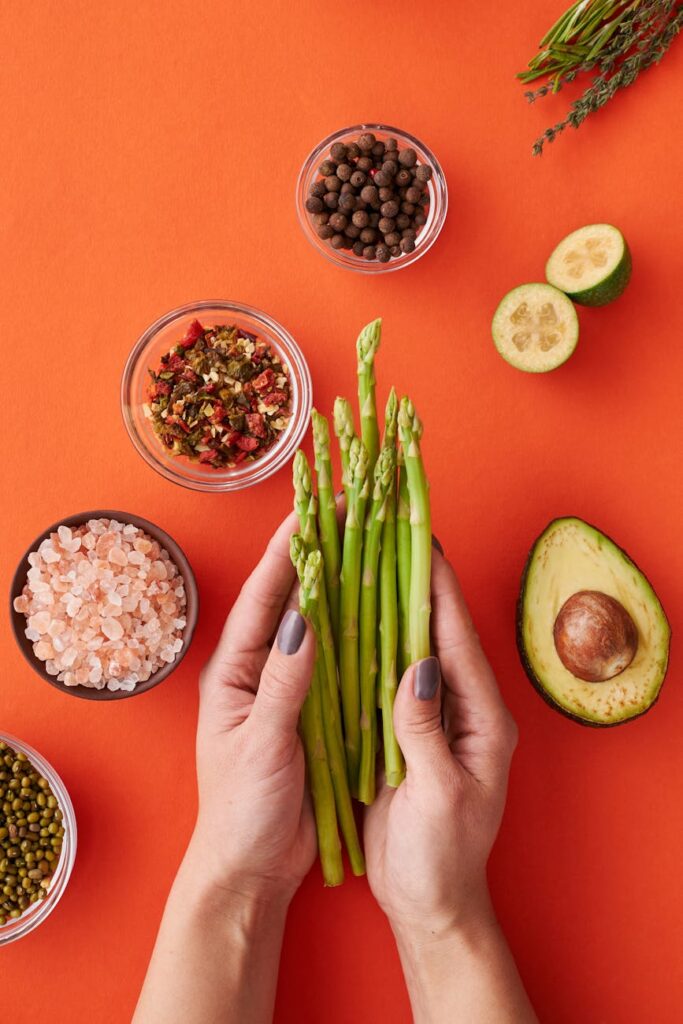
Asparagus Myths and Misconceptions
Introduction
Asparagus, often hailed as a delicacy in various cuisines, has been cherished for centuries not only for its unique flavor but also for its nutritional benefits. However, this versatile vegetable is also surrounded by myths and misconceptions that can cloud our understanding of its qualities and uses. In this article, we will explore the truth behind asparagus, diving deep into its history, production, and common misunderstandings that may affect how we perceive and utilize this green gem.
What Is Guides?
In the context of culinary education, “Guides” refer to comprehensive resources that inform and educate consumers, chefs, and food enthusiasts about specific ingredients. These guides encompass a wide range of topics including history, production methods, quality assessment, storage guidelines, and common misconceptions. By providing accurate and detailed information, guides aim to enhance appreciation and understanding of ingredients, ultimately enriching the culinary experience.
History and Origins
Asparagus (Asparagus officinalis) has a rich history that dates back over 2,000 years. Native to Europe, northern Africa, and western Asia, it was cultivated by the ancient Egyptians, Greeks, and Romans for both culinary and medicinal purposes. The Romans, in particular, were instrumental in spreading asparagus cultivation across Europe. They developed various methods to grow and harvest the vegetable, appreciating its unique flavor and purported health benefits.
During the Middle Ages, asparagus experienced a decline in popularity, only to be revived during the Renaissance. By the 19th century, asparagus had become a sought-after delicacy in France and England, leading to its introduction to the New World. Today, asparagus is cultivated globally, with the United States, Peru, and China being among the largest producers.
Production and Processing
The production of asparagus is a labor-intensive process that requires specific growing conditions. It thrives in well-drained soil and requires ample sunlight and water. Asparagus is typically planted as crowns, which are one-year-old plants. Harvesting usually begins in the second year, but full production occurs around the third year.
Asparagus is classified as a perennial plant, which means it can produce spears for many years, often up to 15 years or more. The timing of the harvest is crucial; spears must be cut when they are 6 to 8 inches tall, before they develop into ferns. This ensures optimal tenderness and flavor.
Post-harvest, asparagus is quickly processed to maintain its quality. It is often washed, trimmed, and packaged for distribution. Special care is taken to keep the spears hydrated, as they can lose freshness rapidly.
Quality and Grading
The quality of asparagus is assessed based on several criteria, including size, color, and firmness. The United States Department of Agriculture (USDA) has established grading standards for asparagus, categorizing it into three grades: U.S. No. 1, U.S. No. 2, and U.S. No. 3.
- U.S. No. 1: This is the highest grade, characterized by straight spears that are firm, tender, and free from blemishes. The diameter typically ranges from ½ to 1 inch.
- U.S. No. 2: This grade includes spears that may be slightly curved or have minor imperfections. They are still edible and can be used in cooking.
- U.S. No. 3: This is the lowest grade, consisting of spears that are often thinner and may have significant blemishes. While they may still be suitable for certain applications, they are less desirable for fresh consumption.
- Culinary Uses: Asparagus pairs well with flavors such as lemon, garlic, and parmesan. It can be served as an elegant side dish or as a key ingredient in more complex recipes.
- Cultural Significance: In many cultures, asparagus is celebrated as a springtime delicacy. Festivals dedicated to asparagus occur in various regions, highlighting its culinary importance and seasonal availability.
- Gastronomy: High-end restaurants often feature asparagus in seasonal menus, emphasizing its freshness and the culinary techniques used to prepare it.
When purchasing asparagus, consumers should look for vibrant green color, closed tips, and a firm texture, which are indicators of freshness and quality.
Buying Considerations
When buying asparagus, several factors should be taken into account to ensure optimal taste and quality.
1. Seasonality: Asparagus is typically in season from late winter to early summer, depending on the region. Freshly harvested asparagus is ideal, as it has the best flavor and texture.
2. Appearance: Choose spears that are bright green with tightly closed tips. Avoid those that are wilted, shriveled, or have open, flowering tips, as these indicate age and loss of freshness.
3. Size: While personal preference plays a role, thicker spears are often viewed as more tender, while thinner ones can be more flavorful. Consider what you plan to cook with the asparagus to decide the best size for your needs.
4. Sourcing: If possible, buy asparagus from local farmers’ markets or reputable grocery stores that prioritize fresh produce. Organic options are available and may be preferred by some consumers, although conventional asparagus is also grown with strict safety standards.
5. Storage: After purchase, it is essential to store asparagus properly to maintain its freshness.
Uses and Applications
Asparagus is a highly versatile vegetable used across a variety of culinary applications. It can be enjoyed in numerous forms including raw, steamed, roasted, grilled, or incorporated into dishes such as salads, pasta, and stir-fries.
Storage and Shelf Life
Proper storage is crucial to prolonging the shelf life of asparagus. When stored correctly, fresh asparagus can maintain its quality for up to a week.
1. Refrigeration: Store asparagus upright in a container with a small amount