
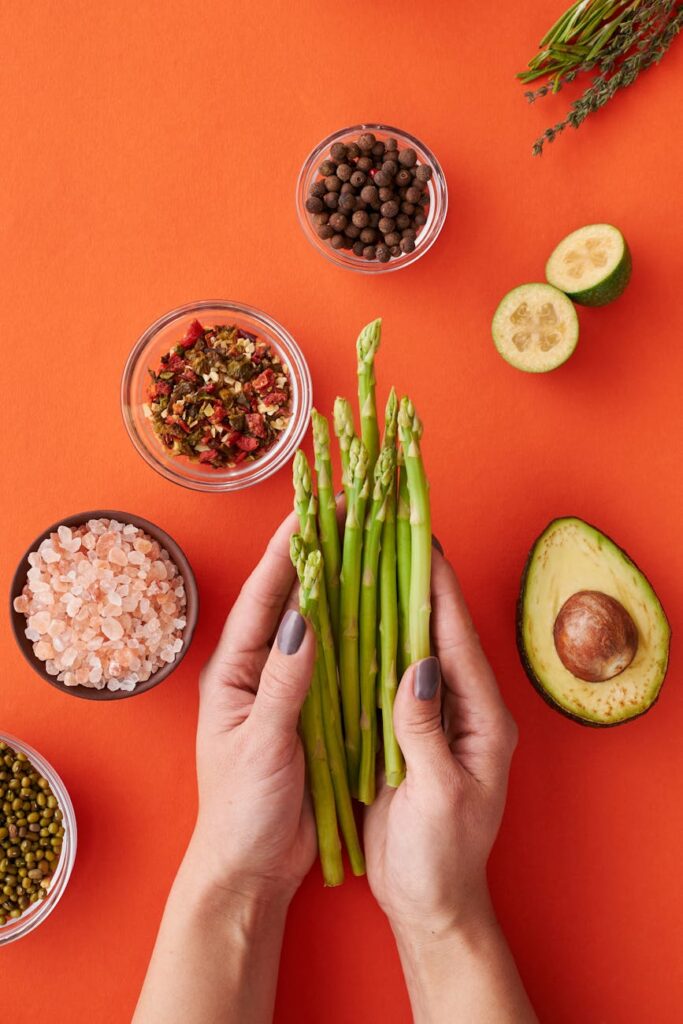
Asparagus: Origins and Evolution
Introduction
Asparagus (Asparagus officinalis) is a perennial vegetable known for its delicate flavor and tender texture. With its distinct spear-like shape, asparagus is not only a culinary delight but also an ingredient steeped in history and cultural significance. This article delves into the origins and evolution of asparagus, exploring its history, production, quality, and uses, while also addressing common misconceptions and frequently asked questions.
What Is Asparagus?
Asparagus is a member of the lily family (Asparagaceae) and is classified as a flowering plant. Its tender shoots are typically harvested in the spring and are available in various colors, including green, white, and purple. The green variety is the most commonly consumed, while white asparagus, which is cultivated underground to prevent photosynthesis, is particularly popular in European cuisines. The purple variety has a sweeter flavor and is less common but gaining in popularity.
History and Origins
Asparagus has a long and storied history, dating back over 2,000 years. The earliest records of asparagus cultivation can be traced to ancient Egypt, where it was valued not only for its culinary uses but also for its medicinal properties. Hieroglyphs depict asparagus in various forms, indicating that it was consumed by the pharaohs and used in religious rituals.
From Egypt, asparagus spread to ancient Greece and Rome. The Greeks appreciated its culinary value, while the Romans regarded it as a delicacy. The Roman emperor Augustus even established a “Asparagus Fleet” to ensure a continuous supply of the vegetable, transporting it from regions where it was cultivated to the imperial kitchens.
During the Middle Ages, asparagus found its way to various parts of Europe, where it was cultivated in monastery gardens. The popularity of asparagus continued to grow, particularly in France and Germany, where it became a staple in the aristocracy’s diet. By the 18th century, asparagus was introduced to North America, where it adapted well to the climate and became widely cultivated.
Production and Processing
Asparagus thrives in well-drained, sandy soils and requires a relatively temperate climate. The plant is typically grown from crowns, which are one-year-old roots. Farmers plant these crowns in early spring or late summer, and the first harvest usually occurs in the third year. Asparagus can produce for up to 15 years when properly cared for, making it a long-term investment for growers.
The harvesting process is labor-intensive. Asparagus spears grow rapidly and must be cut at just the right time—usually when they reach 6 to 8 inches in height. If left too long, the spears will flower and become tough. Harvesting is done by hand, with workers using specialized knives to cut the spears at the base. Once harvested, asparagus is typically processed quickly to maintain its freshness.
In commercial production, asparagus is often blanched to enhance its color and texture before being packaged for sale. Proper handling and processing are crucial, as asparagus is highly perishable. It is often shipped in refrigerated containers to maintain its quality during transport.
Quality and Grading
The quality of asparagus is assessed based on several factors, including size, color, firmness, and appearance. The United States Department of Agriculture (USDA) has established grading standards for asparagus, classifying it into three primary grades: U.S. Fancy, U.S. No. 1, and U.S. No. 2.
- U.S. Fancy: This grade includes the highest quality asparagus, characterized by straight, uniform spears that are tender and free from blemishes. The diameter of the spears is typically larger, adding to their appeal.
- U.S. No. 1: This grade includes asparagus that may have slight imperfections but still meets acceptable standards for size and quality. Spears in this category are generally straight and tender.
- U.S. No. 2: This grade encompasses asparagus that may not meet the standards of the higher grades. It may have irregular shapes or smaller diameters but is still considered edible.
When selecting asparagus, look for spears that are bright green, firm, and tightly closed at the tips. Wilted or limp spears indicate age and reduced quality.
Buying Considerations
When purchasing asparagus, freshness is paramount. Asparagus is best bought in season, which typically spans from late March to June in the Northern Hemisphere. During this time, local varieties will be at their peak freshness and flavor. If purchasing out of season, opt for asparagus that has been imported from regions with a complementary growing season.
When buying, consider the following:
1. Appearance: Choose spears that have a vibrant color and a firm texture. Avoid any that are shriveled or have brown spots.
2. Size: While personal preference plays a role, thicker spears tend to be more tender and flavorful, whereas thinner spears may have a more delicate taste.
3. Origin: Locally sourced asparagus is often fresher and more flavorful. If possible, buy from farmers’ markets or local farms.
4. Storage Conditions: Check how the asparagus has been stored. It should be kept cool and moist, ideally in a refrigerated environment.
Uses and Applications
Asparagus is a versatile ingredient that can be used in a wide array of culinary applications. It can be prepared in various ways, including steaming, roasting, grilling, and sautéing.
In addition to its use as a side dish or main ingredient, asparagus is often incorporated into salads, pasta dishes, and risottos. Its unique flavor profile complements a variety of ingredients, including lemon, garlic, and Parmesan cheese.
Asparagus is also popular in contemporary cuisine, where it is featured in dishes that emphasize fresh, seasonal ingredients. Chefs appreciate its ability to enhance flavors and add visual appeal to a dish.
Beyond its culinary uses, asparagus