
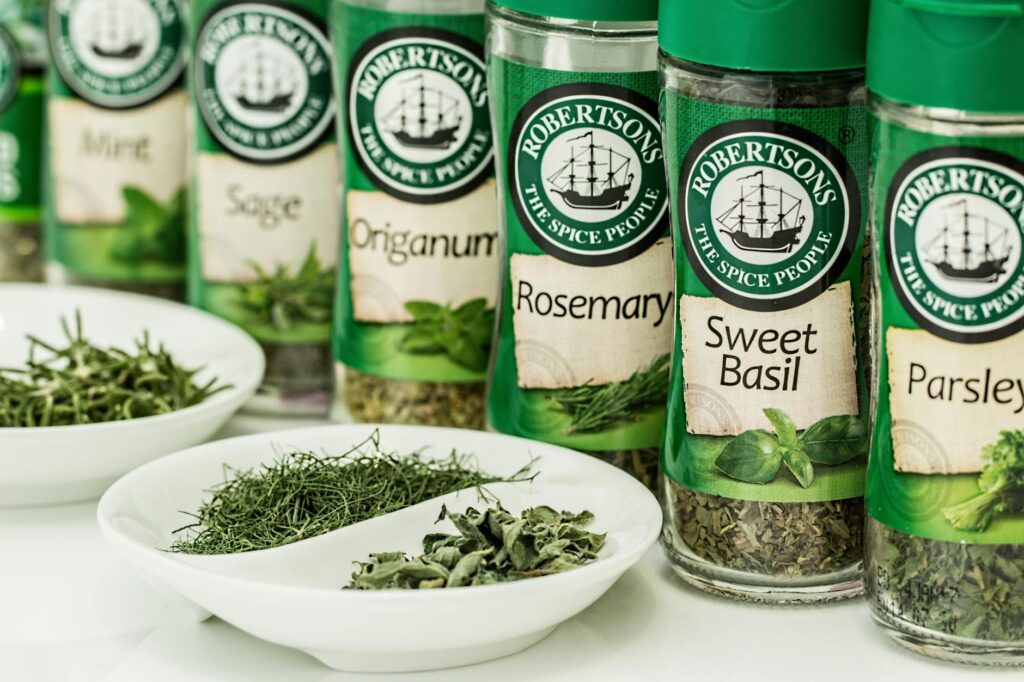
Basil Growing Guide Part 7
Introduction
Basil (Ocimum basilicum) is a cherished herb known for its aromatic leaves and versatility in culinary applications. This guide delves into the various facets of growing basil, providing comprehensive insights into its history, production, quality grading, and more. Whether you are a hobbyist gardener or an aspiring commercial grower, this guide serves as an invaluable resource for mastering the art of basil cultivation.
What Is Growing?
Growing refers to the process of nurturing plants, from seed germination to maturity, in an environment conducive to their health and productivity. For basil, this entails understanding its specific requirements, including soil type, light conditions, watering needs, and pest management. Successful growing not only improves yield but also enhances the flavor and quality of the herb.
History and Origins
Basil is believed to have originated in tropical Asia, specifically in regions that now encompass India and Iran. The herb has a rich cultural history, having been revered as sacred in ancient Hindu texts. Its journey through history saw it embraced by various civilizations, including the Greeks and Romans, who used it for culinary and medicinal purposes.
Over centuries, basil spread throughout Europe and the Americas, where it adapted to various climates and culinary traditions. Today, it is a staple in Mediterranean cuisines and has found its way into dishes worldwide, celebrated for its fragrant leaves and distinctive flavor.
Production and Processing
Cultivation
Basil thrives in warm climates and requires well-drained, nutrient-rich soil with a pH level between 6.0 and 7.0. It can be grown from seeds or cuttings, with seeds being the more common method. Basil seeds germinate in approximately 5 to 10 days under optimal conditions, which include temperatures between 70°F and 85°F (21°C to 29°C) and plenty of sunlight.
Outdoor vs. Indoor Growing
While basil flourishes outdoors in garden beds or containers, it can also be successfully grown indoors. Indoor growers should ensure adequate sunlight, often supplementing with grow lights to mimic natural daylight. Basil plants require a minimum of 6 hours of sunlight daily to develop their full flavor profile.
Harvesting
Harvesting basil involves cutting the stems just above a pair of leaves, which encourages bushier growth. It is advisable to harvest the leaves before the plant flowers, as flowering can lead to a decline in leaf quality and flavor. Regular harvesting not only yields fresh leaves but also stimulates new growth.
Quality and Grading
The quality of basil is determined by several factors, including leaf size, color, aroma, and overall freshness. High-quality basil should exhibit vibrant green leaves, free of blemishes or discoloration. The fragrance should be strong and characteristic of the variety, with no signs of wilting or decay.
Grading Standards
In commercial production, basil is often graded based on size and quality. The following categories are commonly recognized:
- Premium Grade: Large, vibrant leaves with an intense aroma, suitable for high-end culinary applications.
- Standard Grade: Good quality leaves, suitable for general culinary use but may show slight imperfections.
- Culinary Grade: Smaller leaves or those with minor blemishes, often used in processed products or as a flavoring agent.
- Sweet Basil: The most popular culinary variety, known for its sweet, peppery flavor.
- Thai Basil: Characterized by its spicy, anise-like flavor, commonly used in Southeast Asian cuisine.
- Genovese Basil: A variety often used in Italian dishes, prized for its robust flavor and aroma.
- Pesto: Basil is a key ingredient in traditional pesto, providing depth and aroma.
- Soups and Sauces: It enhances the flavor of tomato-based dishes, soups, and stews.
- Garnishing: Fresh leaves are often used to garnish pizzas, salads, and pasta dishes.
Buying Considerations
When purchasing basil, considerations include freshness, variety, and intended use. Fresh basil should be bright green and aromatic, while dried basil should have a strong scent and rich color. It is essential to choose the right variety based on flavor profile and culinary compatibility. Common varieties include:
Uses and Applications
Basil’s applications extend beyond the kitchen. In culinary settings, it is used fresh in salads, sauces, and as a garnish. When dried, basil retains its flavor but is often less intense than its fresh counterpart.
Culinary Uses
Non-Culinary Uses
Basil is also utilized in the cosmetic and fragrance industries for its aromatic properties. Additionally, it is used in herbal teas and as a natural flavoring agent in beverages.
Storage and Shelf Life
Proper storage is crucial for maintaining basil’s freshness and flavor. Fresh basil should be stored in a cool environment, ideally in a glass of water with a plastic bag covering the leaves. This method can keep basil fresh for up to a week.
Drying and Freezing
For longer-term storage, basil can be dried or frozen. When drying, it is important to do so in a dark, well-ventilated area to preserve its flavor. Dried basil can last for up to a year when stored in an airtight container in a cool, dark place.
Freezing basil is another excellent option. Leaves can be blanched briefly in boiling water, then cooled and frozen in ice cube trays with water or olive oil. This method preserves flavor and allows for easy use in cooking.
Common Misconceptions
Despite its popularity, several misconceptions about basil persist. One common belief is that all basil varieties taste the same. In reality, the flavor profile can vary significantly among different types. Another misconception is that dried basil is equivalent to fresh basil. While dried basil is a convenient alternative, it lacks the vibrant flavor and aroma of fresh leaves.