
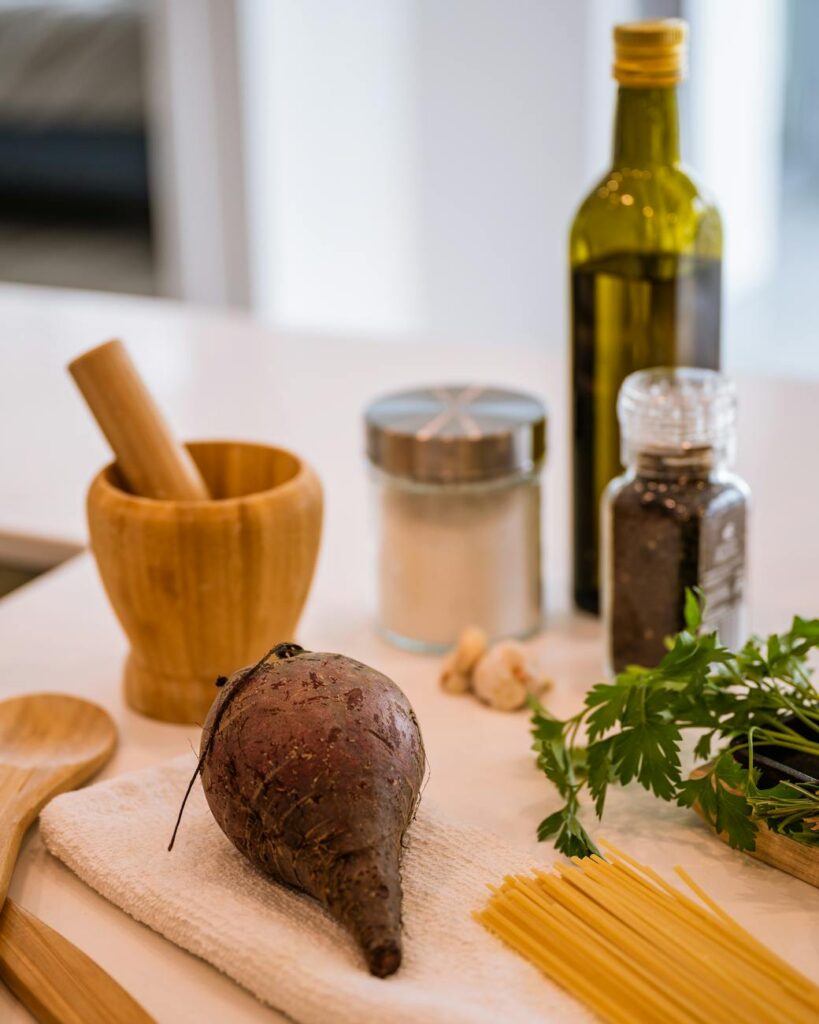
Beetroot FAQs Answered
Introduction
Beetroot, often simply referred to as beet, is a vibrant root vegetable celebrated for its deep red hue and earthy flavor. With its growing popularity in culinary circles and health-conscious communities, understanding beetroot’s various facets—from its history to its uses—can enhance both appreciation and application. This article aims to provide comprehensive answers to frequently asked questions about beetroot, offering insights into its qualities, uses, and more.
What Is Guides?
Guides, in the context of food ingredients, serve as informative resources that outline essential information about a specific ingredient. These guides typically cover a range of topics such as the ingredient’s history, production, quality standards, and practical applications. They aim to educate consumers, chefs, and food enthusiasts about the ingredient’s characteristics and functionalities, thereby promoting informed decisions in cooking and purchasing.
History and Origins
Beetroot traces its origins back over 2,000 years, with its earliest recorded use in the Mediterranean region. Initially, the leafy greens of the beet plant were consumed, while the root itself was primarily utilized for medicinal purposes. Ancient Romans were among the first to cultivate beetroot, appreciating its sweetness and nutritional benefits. Over the centuries, beetroot spread across Europe, becoming particularly popular in Eastern European cuisine, where it is a staple in dishes such as borscht.
The modern cultivated variety of beetroot, known as Beta vulgaris, has undergone significant transformation through selective breeding. This has resulted in the diverse varieties we see today, ranging from the traditional red beet to golden, striped, and even white beets.
Production and Processing
Beetroot is primarily grown in temperate regions, thriving in well-drained, loamy soil with adequate moisture. Major producers include countries like Russia, the United States, and France. The growth cycle of beetroot typically spans 90 to 120 days, depending on the variety and climatic conditions.
Once harvested, beetroots are washed to remove soil and impurities. They may be processed for various applications, including juicing, pickling, and canning. The processing methods can significantly affect the flavor and nutritional content of the beetroot, with minimal processing generally preserving the vegetable’s natural qualities.
Quality and Grading
The quality of beetroot is assessed based on several factors, including size, color, firmness, and absence of blemishes or defects. Grade A beetroots are typically medium to large in size, with a uniform and vibrant color. They should feel firm to the touch and exhibit no signs of decay or softness.
In commercial markets, beets may be classified into different grades, which can influence their market price. It is essential for buyers to understand these grading standards to ensure they select the highest quality produce for their culinary needs.
Buying Considerations
When purchasing beetroot, there are several factors to consider to ensure you select the best quality.
1. Appearance: Choose beetroots that are firm, smooth, and rich in color. Avoid any that exhibit wrinkles, soft spots, or discoloration.
2. Size: Smaller beetroots tend to be sweeter and more tender, while larger ones may have a more robust flavor but can sometimes be woody.
3. Freshness: Look for beets with fresh, green tops still attached, as this indicates they are recently harvested. If purchasing pre-packaged beets, check the expiration date.
4. Organic vs. Conventional: Consider whether you want organic beets, which are grown without synthetic pesticides and fertilizers.
5. Source: Local farmers’ markets often provide fresher options, while larger grocery stores may offer a wider variety of types.
Uses and Applications
Beetroot is remarkably versatile in the culinary world. Its earthy flavor and vibrant color make it an excellent addition to a variety of dishes. Here are some common uses:
- Salads: Roasted or pickled beets can enhance salads, adding both color and flavor.
- Soups: Beetroot serves as the primary ingredient in soups, most notably in Eastern European borscht.
- Juicing: Beet juice is popular for its health benefits and is often combined with other fruits and vegetables.
- Baking: Beetroot can be used in baked goods to add moisture and natural sweetness, often seen in beetroot brownies or cakes.
- Garnishes: The greens of the beet plant can be sautéed or used fresh in salads, offering a nutritious complement to the root.
- Unwashed Beets: Store unwashed beetroots in a cool, dark place, such as a root cellar. They can last several weeks when kept in optimal conditions.
- Refrigeration: For longer storage, refrigerate beetroots in a plastic bag with air holes, which allows for moisture retention while preventing spoilage.
- Cooked Beets: Once cooked, beetroot can be stored in an airtight container in the refrigerator for up to a week.
Beyond its culinary applications, beetroot is increasingly used as a natural coloring agent in various food products due to its vibrant pigments.
Storage and Shelf Life
Proper storage is essential for maintaining the freshness and quality of beetroot. To maximize shelf life:
It is advisable to consume fresh beetroots within a few weeks of purchase for the best flavor and texture.
Common Misconceptions
Several misconceptions surround beetroot, which can lead to confusion among consumers.
1. Beetroot is Only Red: While the red variety is the most recognized, beetroot also comes in golden, striped, and white colors, each with unique flavors and culinary applications.
2. Beetroot is Only for Salads: While popular in salads, beetroot can be used in a myriad of dishes, from soups and juices to desserts.
3. Beetroot is Unhealthy Due to Sugar Content: Although beetroot contains natural sugars, it is also rich in essential nutrients, making it a healthy addition to a balanced diet.
4. Beetroot Must Be Cooked: Beetroot can be enjoyed raw, offering a crunchy texture and slightly different flavor profile compared to cooked versions.
5. All Beetroots Have the Same Flavor: Flavor can vary significantly between different varieties and how they are prepared, ranging from sweet to earthy and even slightly bitter.
Frequently Asked Questions
1. What are the health benefits of beetroot?
While this article doesn’t provide medical advice, beetroot is known to be a source of essential nutrients, including vitamins, minerals, and antioxidants. Its natural pigments may also contribute to various health benefits, making it a popular choice in health-conscious diets.
2. Can beetroot stain clothes?
Yes, beetroot contains natural pigments that can stain fabrics. It is advisable to handle beetroots with care and to wear gloves when peeling or preparing them to avoid stains on hands.
3. How do I know if beetroot is fresh?
Fresh beetroot should feel firm and heavy for its size, with a vibrant color and no visible soft spots or blemishes. If the greens are still attached, they should be bright and crisp.
4. Is it safe to eat beetroot raw?
Yes, raw beetroot is safe to consume and can be added to salads or smoothies for a crunch and added nutrition. However, some individuals may prefer the taste of cooked beets.
5. How can I tell if beetroot has gone bad?
Signs of spoilage in beetroot may include an off smell, significant softness, or the presence of mold. If you notice any of these signs, it is best to discard the beetroot.
6. Can I freeze beetroot?
Yes, beetroot can be frozen after being cooked and cooled. It is advisable to cut the beetroot into pieces and store it in airtight containers or freezer bags to preserve its quality.
Conclusion
Beetroot is more than just a colorful ingredient; it is a versatile vegetable with a rich history and numerous applications in modern cuisine. Understanding its origins, production, and uses can elevate your culinary experience and inspire creativity in the kitchen. With this comprehensive guide, we hope to empower you with knowledge that enhances your appreciation for this remarkable root vegetable.