
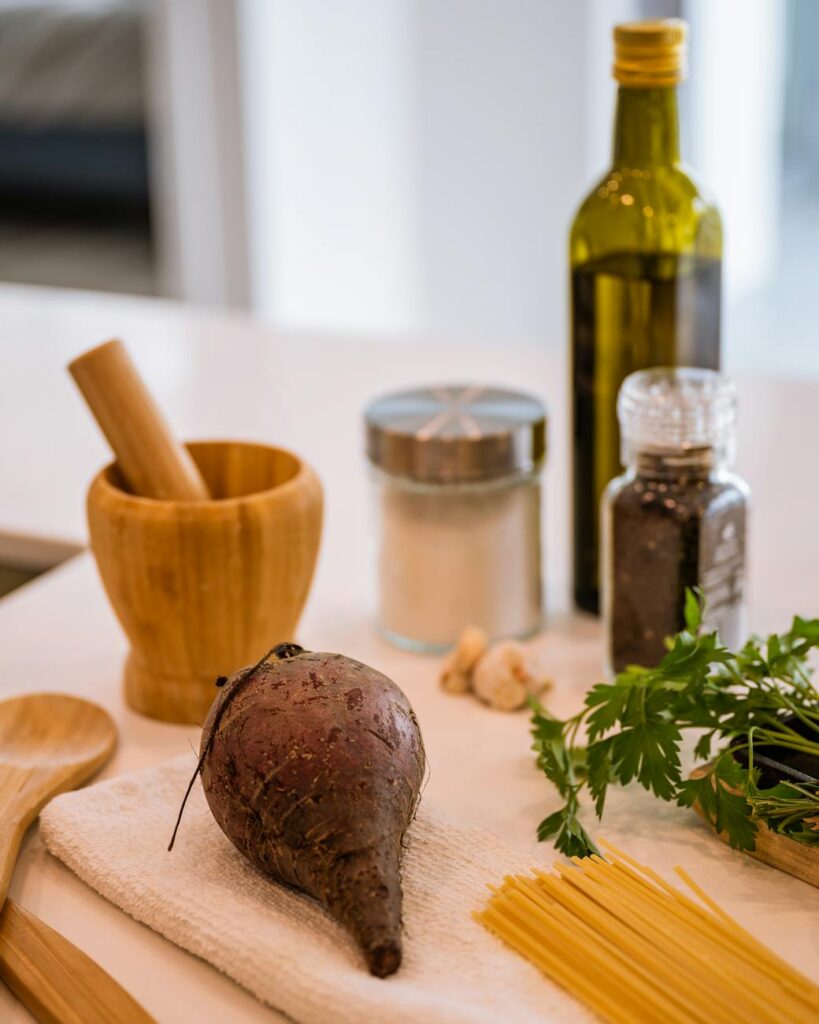
Beetroot Growing Guide Part 7
Introduction
Beetroot, a vibrant and nutritious root vegetable, has carved a niche for itself in culinary traditions worldwide. With its striking color and earthy flavor, it is not only a staple in many kitchens but also a subject of interest for home gardeners and commercial producers alike. This guide delves into the intricacies of growing beetroot, from understanding its origins to exploring its applications in various culinary practices.
What Is Growing?
In the context of agriculture and horticulture, “growing” refers to the process of cultivating plants from seeds, seedlings, or cuttings until they reach maturity. This involves several stages, including soil preparation, planting, nurturing, and harvesting. For beetroot, growing entails understanding its specific requirements regarding soil type, climate, watering, and pest management to ensure a healthy and bountiful crop.
History and Origins
Beetroot is believed to have originated in the Mediterranean region, with evidence of its cultivation dating back to ancient times. The wild ancestor of beetroot, known as Beta vulgaris, was initially valued for its leafy greens, which were consumed long before the root itself gained prominence. The Romans were among the first to cultivate the beet for its roots, recognizing its potential as a food source.
Over time, beetroot spread across Europe and eventually to the Americas, where it became a popular vegetable due to its adaptability and nutritional benefits. Today, beetroot is cultivated globally, with significant production in countries like Russia, the United States, and China.
Production and Processing
Cultivation Practices
To cultivate beetroot successfully, certain agronomic practices must be adhered to:
1. Soil Preparation: Beetroot thrives in well-drained, loamy soil rich in organic matter. Prior to planting, it is essential to amend the soil with compost or well-rotted manure to enhance fertility.
2. Planting: Seeds can be sown directly into the soil once the threat of frost has passed. The ideal planting depth is about 1-2 inches, with seeds spaced approximately 3-4 inches apart. Rows should be 12-18 inches apart to allow for adequate growth.
3. Watering: Consistent moisture is crucial for beetroot development. Regular watering, especially during dry spells, ensures optimal growth. However, care must be taken to avoid waterlogging, which can lead to root rot.
4. Fertilization: A balanced fertilizer can be applied at planting time to promote healthy growth. Subsequent applications should be based on soil testing and nutrient requirements.
5. Pest and Disease Management: Common pests, such as aphids and root maggots, can affect beetroot crops. Integrated pest management strategies, including crop rotation and the introduction of beneficial insects, can help mitigate these threats.
Harvesting
Beetroot is typically ready for harvest 50 to 70 days after planting, depending on the variety. Harvesting should occur when the roots reach a size suitable for consumption, usually around 2-3 inches in diameter. Care should be taken during harvest to avoid damaging the roots, as this can lead to spoilage.
Processing
Once harvested, beetroot can be processed in various ways, including washing, peeling, and slicing for consumption. It can also be pickled, roasted, or juiced, depending on culinary applications.
Quality and Grading
The quality of beetroot is assessed based on several factors, including size, shape, color, and skin integrity. High-quality beetroots should have a deep, uniform color and be free from blemishes or soft spots. They should feel firm to the touch and exhibit no signs of decay.
In commercial settings, grading standards may vary, but generally, beetroots are classified based on size and quality, with larger, more uniform specimens fetching higher prices in the market.
Buying Considerations
When purchasing beetroot, whether from a market or grocery store, several factors should be considered:
1. Freshness: Look for beetroots that are firm and heavy for their size, with smooth skin and a vibrant color. Avoid roots that show signs of wrinkling or softness.
2. Organic vs. Conventional: Organic beetroot is cultivated without synthetic pesticides or fertilizers. If sustainability is a concern, opting for organic may be preferable.
3. Seasonality: Beetroot is typically in season from late spring to early fall. Purchasing in season often guarantees better flavor and freshness.
4. Variety: Different varieties of beetroot offer distinct flavors and colors. Common varieties include the classic red beet, golden beet, and striped chioggia beet. Consider the intended culinary use when selecting a variety.
Uses and Applications
Beetroot is incredibly versatile and can be used in various culinary applications. Its earthy flavor pairs well with both savory and sweet dishes. Here are some common uses:
- Salads: Roasted or boiled beetroot can add color and flavor to salads, often paired with ingredients like feta cheese, walnuts, and citrus.
- Soups: Borscht, a traditional Eastern European soup, highlights beetroot’s vibrant color and flavor profile.
- Juices and Smoothies: Beetroot juice has gained popularity in health circles for its nutritional benefits, often blended with other fruits and vegetables.
- Pickling: Pickled beetroot serves as a tangy condiment, enhancing sandwiches and charcuterie boards.
- Baking: Beetroot can be incorporated into baked goods, such as cakes and brownies, adding moisture and a subtle sweetness.
Storage and Shelf Life
Proper storage is essential to prolong the shelf life of beetroot. Fresh beetroot can be stored in a cool, dark place, such as a root cellar, for several weeks. If stored in the refrigerator, be sure to remove the greens, as