
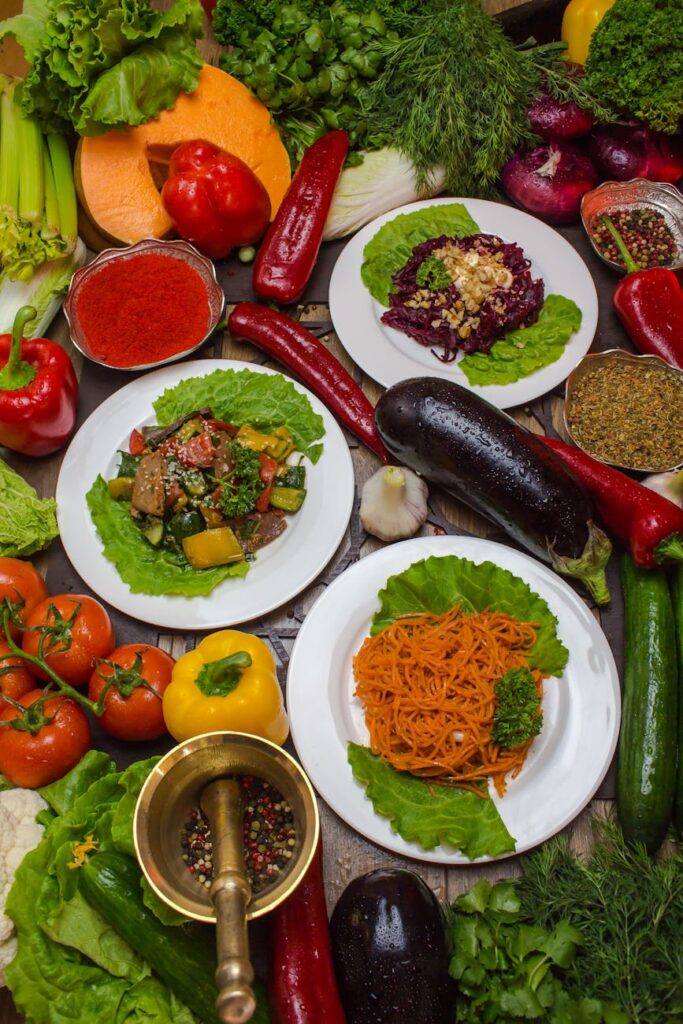
Beetroot in Traditional Cuisine
Introduction
Beetroot, a vibrant root vegetable belonging to the Chenopodiaceae family, has garnered attention in various culinary traditions around the globe. Its deep crimson hue, earthy flavor, and versatile nature make it a staple ingredient in many cuisines. This article delves into the multifaceted uses of beetroot in traditional culinary practices, exploring its historical roots, production processes, and applications in cooking.
What Is Uses?
In the context of culinary ingredients, “uses” refers to the various applications and functions that an ingredient can fulfill in food preparation and presentation. For beetroot, its uses extend beyond mere flavor enhancement; it serves as a natural coloring agent, a source of nutrition, and a key component in traditional dishes. Its adaptability allows chefs and home cooks alike to incorporate it across a spectrum of recipes, from appetizers to desserts.
History and Origins
The cultivation of beetroot dates back to ancient civilizations. Initially, wild beets were harvested for their greens; it wasn’t until the Romans began to cultivate the root for consumption that its popularity surged. Historical texts suggest that beets were valued for their nutritional properties and were often used in medicinal contexts.
The beetroot we recognize today has its origins in the Mediterranean region, with significant cultivation in regions of Europe and Asia. By the Middle Ages, beetroot had made its way to various European countries, where it became integral to local cuisines. In Eastern Europe, particularly in Russia and Poland, beetroot was embraced as a staple, giving rise to iconic dishes such as borscht.
Production and Processing
The global production of beetroot occurs in temperate climates, with major producers including Russia, the United States, and China. The cultivation process involves sowing seeds in well-drained, fertile soil during cooler months. Beetroot thrives in conditions where temperatures range between 10°C and 20°C (50°F to 68°F).
Once harvested, beetroots require careful handling to preserve their quality. The roots are typically washed and sorted, with any damaged specimens removed to ensure only the best quality reaches consumers. In many traditional practices, beetroot is often pickled, roasted, or boiled, lending it a diverse range of flavors and textures that enhance its culinary applications.
Quality and Grading
Quality assessment of beetroot involves evaluating several factors, including size, shape, color, and firmness. High-quality beetroots should exhibit a deep, rich color, which indicates high betalain content—the pigment responsible for the vegetable’s characteristic hue. Additionally, they should be firm to the touch, with minimal blemishes or signs of decay.
Grading standards for beetroots can vary by region, but typically involve categorizing them into different sizes and qualities. This grading system helps consumers make informed choices when purchasing beetroots, ensuring they select the best for their culinary needs.
Buying Considerations
When purchasing beetroot, several factors should be considered to ensure freshness and flavor. First, opt for beets that are firm and heavy for their size, as this indicates high water content and freshness. The leaves, if still attached, should be vibrant and crisp, signaling that the beetroot was harvested recently.
In terms of varieties, the most common types include the classic red beet, golden beet, and striped Chioggia beet. Each variety offers unique flavor profiles and visual appeal, allowing cooks to select beets that best fit their culinary vision.
Organic beetroots may also be preferable for those seeking to avoid pesticides and synthetic fertilizers. However, regardless of the farming method, it’s essential to check for signs of spoilage, such as soft spots or a dull appearance.
Uses and Applications
Beetroot’s versatility shines through in its wide array of traditional culinary applications. In Eastern European cuisine, for example, borscht is a celebrated dish that features beetroot as its star ingredient. This hearty soup can be served hot or cold and often includes ingredients like cabbage, potatoes, and meat, highlighting beetroot’s ability to complement a range of flavors.
In Mediterranean cuisine, beetroot is often roasted or pickled and served as part of mezze platters. Its natural sweetness pairs beautifully with tangy feta cheese and olives, creating a harmonious balance of flavors. Additionally, beetroot is sometimes used in salads, where its earthy notes can enhance greens and grains.
In Indian cuisine, beetroot is commonly utilized in dishes like “beetroot halwa,” a sweet dessert made from grated beetroot, milk, and sugar. This dish exemplifies how beetroot can transition from savory to sweet applications, showcasing its adaptability.
Beyond its use in main dishes, beetroot serves as a natural coloring agent in various confections and beverages. Its vibrant pigment is harnessed in products like beetroot juice and smoothies, where it adds both visual appeal and a nutritional boost.
Storage and Shelf Life
Proper storage is essential for maintaining the quality of beetroot. Fresh, unpeeled beetroots can be stored in a cool, dark place with good ventilation for up to two weeks. For longer preservation, they can be refrigerated, ideally in a perforated plastic bag to allow for airflow.
Once cooked, beetroot can be kept in the refrigerator for about three to five days. If pickled, the shelf life can extend significantly, often lasting several months when stored in a sealed jar in the refrigerator.
Common Misconceptions
Despite its popularity, several misconceptions about beetroot persist. One common myth is that beetroot stains are permanent. While it is true that beetroot’s pigments can leave marks on surfaces, these stains can often be removed with proper cleaning techniques, such as using vinegar or lemon juice.
Another misconception revolves around beetroot’s flavor profile. Some people assume that all beetroots are intensely earthy or sweet. In reality, flavor can vary significantly between different varieties and methods of preparation. For instance, roasting beetroot can intensify its sweetness