
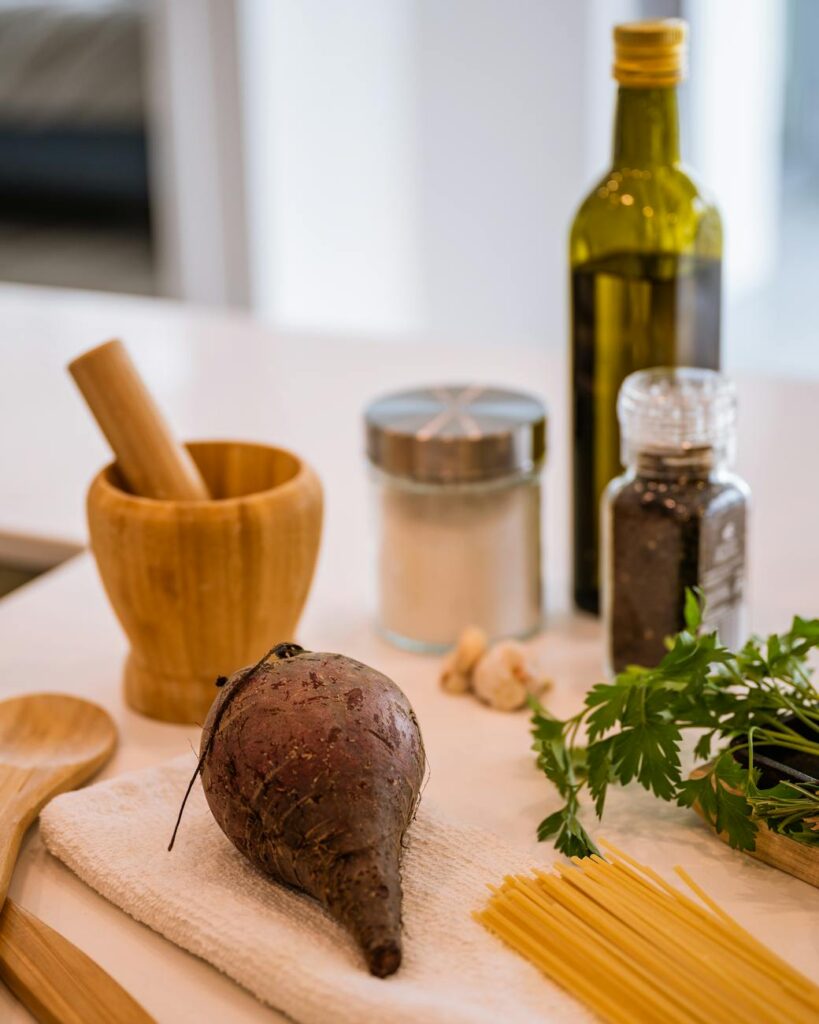
Beetroot Production by Country
Introduction
Beetroot, scientifically known as Beta vulgaris, is a versatile and nutritious root vegetable that has garnered attention for its vibrant color and numerous culinary uses. It has transcended its humble beginnings to become a staple in various cuisines around the globe. The production of beetroot is not uniform; it varies significantly across different countries influenced by climate, soil type, agricultural practices, and local demand. This article explores the regions responsible for beetroot production, examining their unique contributions and practices.
What Is Regions?
In the context of beetroot production, “regions” refers to the geographical areas where beetroot is cultivated, processed, and consumed. These regions encompass various countries and climatic zones, each with distinct agricultural practices that influence the quality, yield, and characteristics of the beetroot produced. Understanding these regions is essential for appreciating the global landscape of beetroot production and its economic significance.
History and Origins
The history of beetroot can be traced back to ancient civilizations, particularly in the Mediterranean region. Originally, wild beet varieties were cultivated primarily for their leaves, while the root was used sparingly. It wasn’t until the Romans began to cultivate the vegetable for its root that its popularity surged. By the Middle Ages, beetroot had spread throughout Europe, where it began to be recognized for its culinary and medicinal properties.
In the 19th century, beetroot gained prominence in the sugar industry as a source of sugar production, further boosting its global cultivation. Today, it is grown in numerous countries, with each region developing its unique agricultural practices and varieties suited to local conditions.
Production and Processing
Major Producers
The leading beetroot-producing countries include Russia, the United States, France, Germany, and Poland. Each of these countries has developed extensive agricultural systems to support beetroot cultivation.
- Russia: As one of the largest producers, Russia benefits from its vast agricultural land and favorable climate. The country primarily grows sugar beets, which are processed into sugar and other products.
- United States: The U.S. ranks high in beetroot production, particularly in states like Minnesota, North Dakota, and Michigan. American farmers focus on both table beets and sugar beets, employing advanced agricultural techniques to optimize yield.
- France: Known for its premium quality beetroot, France has a long-standing tradition of beetroot cultivation. The country’s temperate climate and fertile soil contribute to the vibrant color and flavor of its beets.
- Germany: Germany is recognized for producing high-quality sugar beets. The country’s agricultural policies and research initiatives emphasize sustainability and efficiency in beetroot farming.
- Poland: With a strong agricultural sector, Poland is a significant producer of both table and sugar beets. The country has focused on modernizing its agricultural practices to enhance productivity.
- Size: Medium-sized beets (about 2-3 inches in diameter) are often preferred for table use.
- Color: Deep, uniform color indicates higher sugar content and better flavor.
- Firmness: Fresh beets should be firm to the touch, indicating freshness.
- Culinary: Beetroots can be roasted, boiled, pickled, or consumed raw in salads. They are a staple in dishes like borscht, a traditional Eastern European soup.
- Juicing: Beet juice has gained popularity for its nutritional benefits and vibrant color, often used in smoothies and health drinks.
- Food Coloring: Natural beet juice is employed as a food coloring agent in various products, providing a vibrant hue without artificial additives.
- Sugar Production: Sugar beets are processed to extract sugar, which is a significant industry in many producing countries.
Cultivation Practices
Beetroot requires well-drained, fertile soil, typically with a pH between 6.0 and 7.0. Conventional farming methods involve plowing, harrowing, and the application of fertilizers and pesticides. However, there is a growing trend towards organic farming, where natural fertilizers and pest control methods are employed.
Planting usually occurs in early spring, and the growing season lasts around 90 to 120 days. Farmers often practice crop rotation to maintain soil health and reduce pests. After harvesting, which is usually done by machine, beetroot is processed for various uses, from fresh consumption to juice and sugar extraction.
Quality and Grading
The quality of beetroot is determined by several factors, including size, color, firmness, and absence of blemishes. Grading systems vary by country, but generally, higher quality beets are characterized by:
In many countries, regulatory bodies oversee quality standards to ensure that beetroots meet market expectations. This oversight is crucial for both domestic consumption and export markets.
Buying Considerations
When purchasing beetroot, consumers should consider several factors to ensure they select the best quality:
1. Freshness: Look for beets that are firm and heavy for their size. Avoid those with soft spots or shriveling.
2. Color: Vibrant, deep colors indicate freshness and better flavor. Beetroots should have a consistent hue without discoloration.
3. Leaves: If buying beets with greens, the leaves should be crisp and vibrant, indicating freshness.
4. Organic vs. Conventional: Organic beets are grown without synthetic pesticides or fertilizers, which may appeal to health-conscious consumers.
Uses and Applications
Beetroot is highly versatile, finding its way into various culinary applications:
Storage and Shelf Life
Proper storage is essential to maintain the quality of beetroot. Fresh beets can be stored in a cool, dark place for several weeks. If left unwashed and with the greens removed, they can last even longer. Refrigeration is optimal for extending shelf life, with fresh beets lasting up to a month.
For processed beetroot, such as pickled or canned varieties, the shelf life may vary based on the preservation method. Always check expiration dates and storage instructions on packaging for optimal quality.
Common Misconceptions
1. All Beetroots Are Red: While red beetroot is the most common variety, beetroots also come in yellow, white, and striped forms, each with unique flavors and culinary uses.
2. Beetroot Is Only for Salads: Many believe that beetroots are only suitable for salads; however, they can be used in a wide array of dishes, including soups, juices, and desserts.
3. Beetroot Is Always Sweet: The sweetness of beetroot can vary based on the variety and growing conditions. Some beets may have a more earthy flavor than others.
Frequently Asked Questions
1. What are the health benefits of beetroot?
Beetroot is known for its rich nutrient profile, including vitamins, minerals, and antioxidants. It is often praised for its potential benefits, such as improved blood circulation and lower blood pressure. However, specific health claims should be approached with caution.
2. How can I tell if a beetroot is fresh?
Fresh beetroots are firm, heavy, and have vibrant color. Avoid any that are soft or have blemishes.
3. Can beetroot be eaten raw?
Yes, beetroot can be eaten raw, often grated into salads or juices. It has a crunchy texture and a sweet, earthy flavor.
4. What is the difference between table beets and sugar beets?
Table beets are cultivated for direct consumption, while sugar beets are primarily grown for sugar extraction. Sugar beets tend to be larger and have a higher sugar content.
5. How do I store fresh beetroot?
Fresh beetroot should be stored in a cool, dark place or refrigerated for up to a month. It’s best to remove the greens to extend shelf life.
6. Where can I find organic beetroot?
Organic beetroot can often be found in health food stores, farmers’ markets, or through specialized grocery chains that prioritize organic produce.
In summary, beetroot is a remarkable ingredient with a rich history and diverse production landscape across the globe. By understanding the regions, cultivation practices, and quality considerations associated with beetroot, consumers can make informed choices and appreciate this versatile vegetable’s contributions to culinary traditions worldwide.