
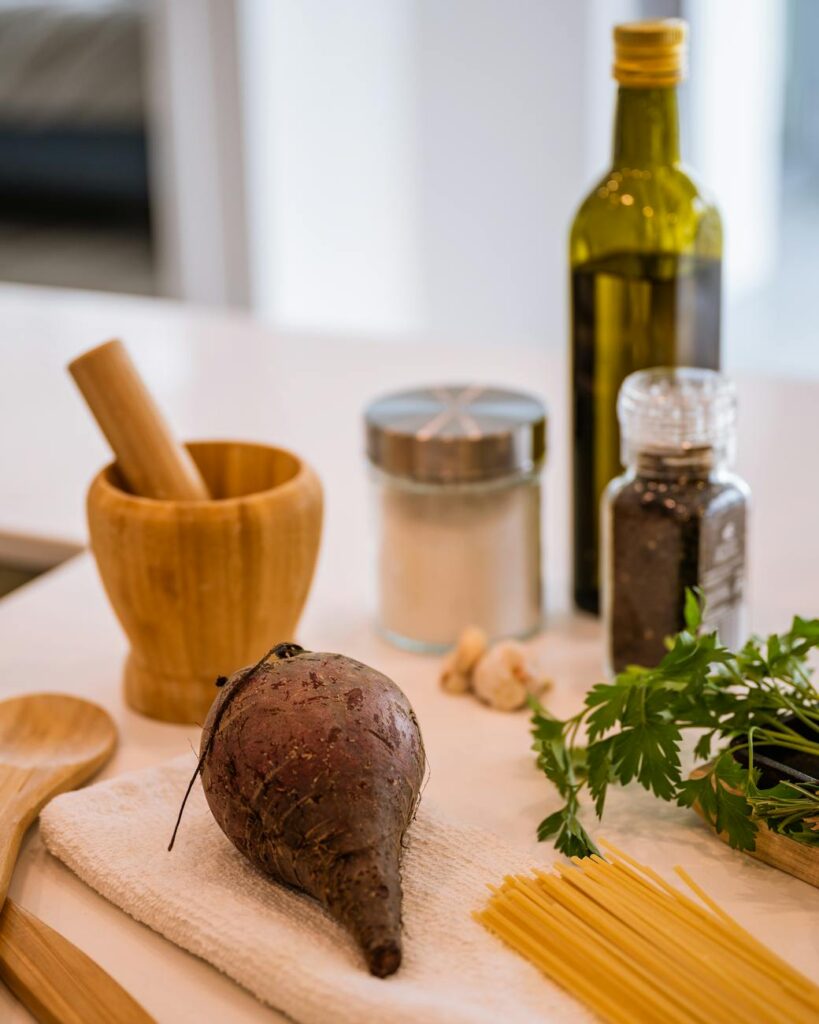
Beetroot Regions Guide Part 7
Introduction
Beetroot, with its vibrant hue and earthy flavor, has garnered a place of prominence in culinary traditions across the globe. While it is often celebrated for its nutritional benefits, understanding the regional variations in beetroot cultivation, processing, and usage can deepen our appreciation for this versatile ingredient. This guide delves into the diverse regions where beetroot is grown, examining the nuances that distinguish each area, from historical origins to contemporary applications.
What Is Regions?
In the context of agricultural ingredients like beetroot, “regions” refers to the geographical areas where the crop is cultivated, processed, and utilized. Each region not only contributes to the flavor and quality of beetroot through its unique climatic and soil conditions, but also influences cultural practices, culinary applications, and market trends. Understanding these regions helps consumers and culinary enthusiasts appreciate the complexities of beetroot and its global significance.
History and Origins
Beetroot’s journey began thousands of years ago in the Mediterranean basin, where wild ancestors of the beet (Beta vulgaris) grew. Historical records indicate that ancient civilizations, such as the Romans and Greeks, cultivated beets primarily for their greens rather than their roots. It wasn’t until the Middle Ages that the root became popular for culinary and medicinal use.
By the 18th century, beetroot was introduced to northern Europe, where it became a staple in many diets, particularly in Eastern European countries. The adaptability of beetroot to various climates allowed it to spread globally, leading to regional adaptations that reflect local tastes and agricultural practices.
Production and Processing
Major Growing Regions
Beetroot thrives in temperate climates, flourishing in regions with well-drained, nutrient-rich soils. Key producers include:
- Europe: Countries like Russia, Germany, and France are prominent in beetroot production, with Russia being the largest producer globally. The cooler climate and fertile soils contribute to the robust flavor and quality of the roots.
- North America: The United States, particularly in states like Michigan and California, supports beetroot cultivation. The adaptability of various beet varieties allows for year-round production.
- Asia: In addition to traditional growing regions, countries like India and China have begun to cultivate beetroot, focusing on its nutritional value and culinary versatility.
- Washing and Sorting: To remove dirt and debris, beets are thoroughly washed. Sorting ensures that only high-quality roots are processed.
- Cooking and Pickling: Beetroot can be cooked, roasted, or pickled. Pickling is a popular method in Eastern Europe, where it is often added to salads and served as a condiment.
- Juicing: With the rise of health-conscious consumers, beet juice has become increasingly popular. This process involves extracting the liquid from the roots, retaining its vibrant color and nutrients.
- Size and Shape: Uniformity in size is crucial. Higher grades feature round, smooth roots, while lower grades may exhibit irregular shapes or sizes.
- Color: Vibrancy is a key indicator of quality. Deep purple beets are often preferred, as they signify higher anthocyanin content, a beneficial antioxidant.
- Texture: Fresh beetroot should feel firm and dense. Soft or spongy roots indicate decay or poor quality.
- Taste: Flavor profiles can vary significantly based on regional growing conditions. Taste testing is a common practice in quality grading.
- Seasonality: Fresh beetroot is typically in season from late summer through early spring. Off-season purchases may lead to lower quality and higher prices.
- Source: Local farmers’ markets often provide fresher and more flavorful options than mass-produced varieties found in supermarkets.
- Organic vs. Conventional: Consider opting for organic beetroot, especially if you are concerned about pesticide residues. Organic farming practices not only promote health but also support environmental sustainability.
- Varieties: Different beetroot varieties, such as Chioggia (striped), Golden, and Red Ace, offer distinct flavors and colors. Understanding these varieties can enhance your culinary experience.
- Culinary Uses: Beetroot can be roasted, steamed, or boiled, and is often featured in salads, soups (like borscht), and side dishes. Its earthy flavor pairs well with both sweet and savory ingredients.
- Beverages: Beet juice has gained popularity for its health benefits, often consumed as a standalone drink or blended in smoothies.
- Natural Coloring Agent: The vibrant color of beetroot makes it an excellent natural dye for foods, including pasta, cakes, and beverages, providing an appealing aesthetic without artificial additives.
- Fermentation: In some cultures, beetroot is fermented to create unique flavors and preserve its nutrients. Fermented beetroot products have gained traction in health food markets.
- Pickled Beetroot: When stored in the refrigerator, pickled beetroot can last for several months. Ensure that the jars
Processing Techniques
After harvesting, beetroot undergoes several processing stages:
Sustainability Practices
As environmental concerns rise, many beetroot producers are adopting sustainable farming practices. Crop rotation, organic farming methods, and integrated pest management are becoming commonplace, ensuring that beetroot cultivation is not only profitable but also environmentally responsible.
Quality and Grading
Quality assessment in beetroot production is essential for both consumers and producers. Beetroot is graded based on several criteria:
Buying Considerations
When purchasing beetroot, several factors should be taken into account:
Uses and Applications
Beetroot’s versatility extends far beyond salads. Its applications span various cuisines and cooking methods:
Storage and Shelf Life
Fresh Beetroot
Fresh beetroot can be stored in a cool, dark place, ideally in a refrigerator. When kept in a perforated plastic bag, it can last for up to two to three weeks.