
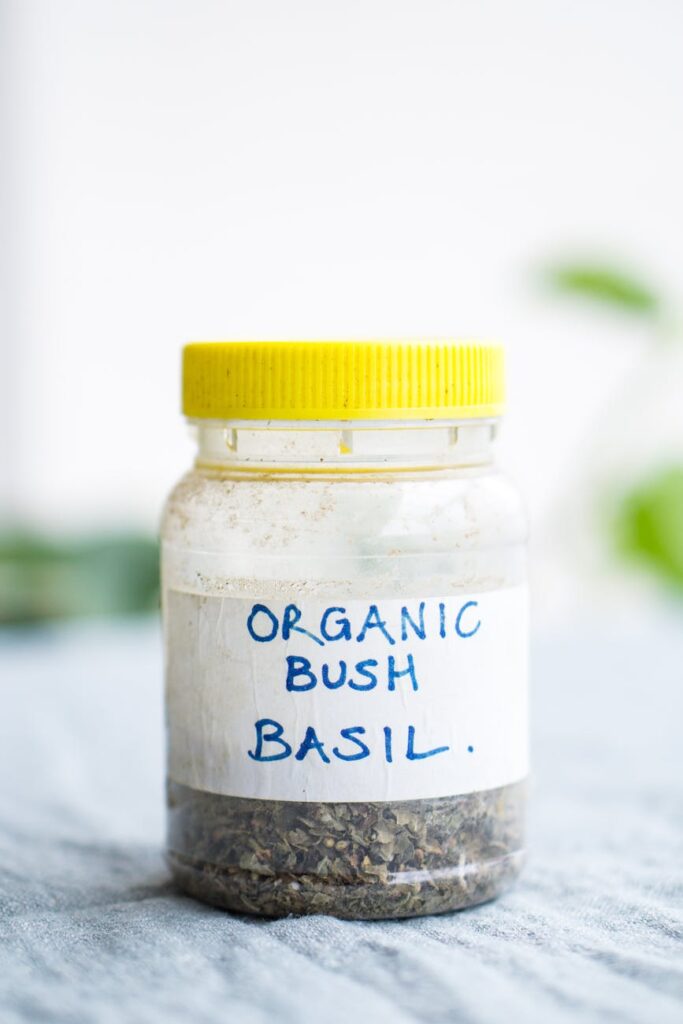
Beginner’s Guide to Basil
Introduction
Basil, a fragrant herb with a rich history and a multitude of culinary applications, captures the essence of Mediterranean cuisine and beyond. Known for its distinct aroma and vibrant flavor, basil is a staple in many kitchens worldwide. This guide will delve into the various aspects of basil, from its historical roots to its uses in modern gastronomy, helping beginners understand and appreciate this versatile herb.
What Is Guides?
Guides are comprehensive resources designed to provide in-depth information about specific topics, empowering readers with knowledge and insights. In the context of food ingredients like basil, guides serve as valuable reference points for chefs, food enthusiasts, and anyone interested in enhancing their understanding of culinary elements. This particular guide on basil aims to illuminate its characteristics, applications, and best practices for usage, ensuring that readers can make informed decisions in their culinary endeavors.
History and Origins
Basil (Ocimum basilicum) has a storied history that dates back thousands of years. Native to tropical regions of central Africa and Southeast Asia, basil has been cultivated since ancient times. The herb was revered by various cultures; in ancient Egypt, it was associated with the afterlife and used in embalming rituals. In India, basil, known as “Tulsi,” is considered sacred and is integral to Hindu worship.
The herb made its way to Europe around the 16th century, quickly becoming a prominent ingredient in Italian cuisine. Its association with love and romance in various cultures further contributed to its popularity. Today, basil is cultivated globally, with many varieties emerging to suit different culinary traditions.
Production and Processing
Basil is primarily grown in temperate and tropical climates, thriving in warm weather and well-drained soil. Italy, France, and Thailand are among the leading producers of basil, with each region cultivating distinct varieties that reflect local culinary practices.
The production process begins with seed planting, typically in spring when the risk of frost has passed. Basil plants require abundant sunlight and regular watering, although overwatering can lead to root rot. Harvesting occurs when the plants reach 6 to 8 inches in height, typically 60 to 90 days after planting. Leaves are picked carefully to encourage further growth.
Once harvested, basil can be used fresh or processed in various forms, including dried, frozen, or as essential oil. Fresh basil is often preferred for its superior flavor, while dried basil, though more concentrated, lacks some of the aromatic compounds found in its fresh counterpart.
Quality and Grading
The quality of basil is determined by several factors, including freshness, color, aroma, and taste. Fresh basil should have vibrant green leaves, free from blemishes or signs of decay. The leaves should be pliable and fragrant, with an aromatic scent that is both sweet and peppery.
Grading of basil can vary by region, but generally, basil is categorized into three grades:
1. Grade A: High-quality leaves that are vibrant, fragrant, and free from defects. Ideal for culinary use.
2. Grade B: Slightly inferior quality, with minor blemishes or less aromatic properties. Suitable for cooking where flavor is still essential.
3. Grade C: Lower quality, often used for dried applications or as a filler in processed products.
Understanding these grades can help consumers make informed choices when purchasing basil, ensuring they select the best quality for their needs.
Buying Considerations
When purchasing basil, whether fresh or dried, consider the following factors:
1. Freshness: Look for basil with vibrant, unblemished leaves. Avoid wilted or discolored leaves, as these indicate age or improper storage.
2. Variety: There are numerous varieties of basil, including sweet basil, Thai basil, and purple basil. Each has a unique flavor profile suited for different cuisines. Familiarizing yourself with these varieties can enhance your culinary repertoire.
3. Source: Consider buying from local farmers’ markets or reputable grocery stores that prioritize fresh, organic produce. This not only supports local agriculture but often results in higher quality herbs.
4. Seasonality: Fresh basil is typically at its peak during summer months, so purchasing it in season may yield the best flavor and quality.
5. Packaging: For dried basil, check the packaging for the expiration date and ensure it is sealed properly to maintain freshness.
Uses and Applications
Basil is renowned for its versatility in the culinary world. Its fresh leaves can be used in a variety of dishes, and its essential oils have applications beyond the kitchen. Here are some common uses:
1. Culinary: Fresh basil is a key ingredient in pesto, salads, and sauces, particularly in Italian cuisine. Its flavor complements tomatoes, garlic, and cheese, making it a popular choice for pizza and pasta dishes.
2. Garnishing: Fresh basil leaves can be used as a garnish for soups, stews, and main courses, adding a burst of color and flavor.
3. Infusions: Basil can be infused into oils and vinegars, imparting its aromatic qualities to dressings and marinades.
4. Beverages: Some cultures use basil in beverages, such as Thai basil in smoothies or cocktails, offering a refreshing twist.
5. Essential Oils: The aromatic compounds in basil are distilled to create essential oils, used in aromatherapy and natural cleaning products.
Understanding how to effectively incorporate basil into various dishes can elevate the overall flavor profile, making it a valuable addition to any cook’s toolkit.
Storage and Shelf Life
Proper storage of basil is crucial to maintaining its freshness and flavor. Here are some best practices:
1. Fresh Basil: Store fresh basil in a vase of water at room temperature, similar to cut flowers. Cover the leaves loosely with a plastic bag to retain moisture. Alternatively, you can refrigerate fresh basil by wrapping the leaves in a damp paper towel and placing them in a sealed plastic bag. Fresh basil typically lasts about 5 to 7 days when stored properly.
2. Dried Basil: Keep dried basil in an airtight container, away from light, heat, and moisture. When stored correctly, dried basil can maintain its flavor for up to 1 to 3 years, although its potency diminishes over time.
3. Frozen Basil: For longer storage, freeze fresh basil. Blanch the leaves briefly in boiling water, then plunge them into ice water. Pat dry and pack into airtight containers or freeze in ice cube trays for easy use in cooking.
By following these storage methods, you can ensure that your basil remains flavorful and aromatic for as long as possible.
Common Misconceptions
Despite its popularity, several misconceptions about basil persist:
1. All Basil Tastes the Same: Many people believe that all basil varieties have the same flavor. In reality, each type of basil has distinct flavor profiles that may vary significantly. For example, Thai basil has a more anise-like flavor compared to the sweet, peppery notes of Italian basil.
2. Dried Basil Is Just as Good as Fresh: While dried basil can be a convenient alternative, it lacks some of the volatile oils that contribute to the fresh herb’s flavor. Fresh basil is generally preferred for dishes where its aroma and taste can shine.
3. Basil Is Only for Italian Cuisine: While basil is a cornerstone of Italian cooking, it is also widely used in Thai, Vietnamese, and Mediterranean dishes, showcasing its versatility across global cuisines.
4. Basil Doesn’t Pair Well with Other Herbs: Some believe that basil should be used alone or sparingly with other herbs. In fact, basil can complement a variety of herbs, such as parsley, oregano, and thyme, creating complex flavor profiles in dishes.
Understanding these misconceptions can enhance your culinary knowledge and encourage experimentation with this fascinating herb.
Frequently Asked Questions (FAQs)
1. What are the different types of basil available?
There are several types of basil, including sweet basil, Thai basil, purple basil, lemon basil, and holy basil. Each variety has unique flavor profiles suited for different culinary applications.
2. How can I tell if basil is fresh?
Fresh basil should have vibrant green leaves, a strong aromatic scent, and be free from wilting or discoloration. If the leaves appear brown or mushy, they are likely past their prime.
3. Can I grow basil indoors?
Yes, basil can be grown indoors in pots. Ensure it receives plenty of sunlight and is watered regularly, but avoid overwatering to prevent root rot.
4. Is it better to use fresh or dried basil?
Fresh basil is generally preferred for its vibrant flavor and aroma. Dried basil can be used in cooking but has a more concentrated flavor and lacks some of the fresh herb’s aromatic qualities.
5. How can I preserve fresh basil for later use?
Fresh basil can be preserved by freezing, drying, or making pesto. Freezing is often the simplest method; simply blanch the leaves and store them in airtight containers.
6. Can basil be used in desserts?
While less common, basil can be used in desserts, particularly as a flavoring in sorbets, ice creams, and fruit salads. Its refreshing flavor can provide a unique twist to sweet dishes.
Conclusion
Basil is more than just a culinary herb; it is a symbol of culture and tradition, with a history that spans centuries. From its origins in ancient civilizations to its modern applications in global cuisines, basil continues to inspire chefs and home cooks alike. By understanding its characteristics, uses, and storage methods, beginners can harness the full potential of this aromatic herb, elevating their culinary creations to new heights. Whether used in a classic Italian dish or a refreshing summer salad, basil remains a quintessential ingredient in the culinary world, inviting exploration and creativity.