
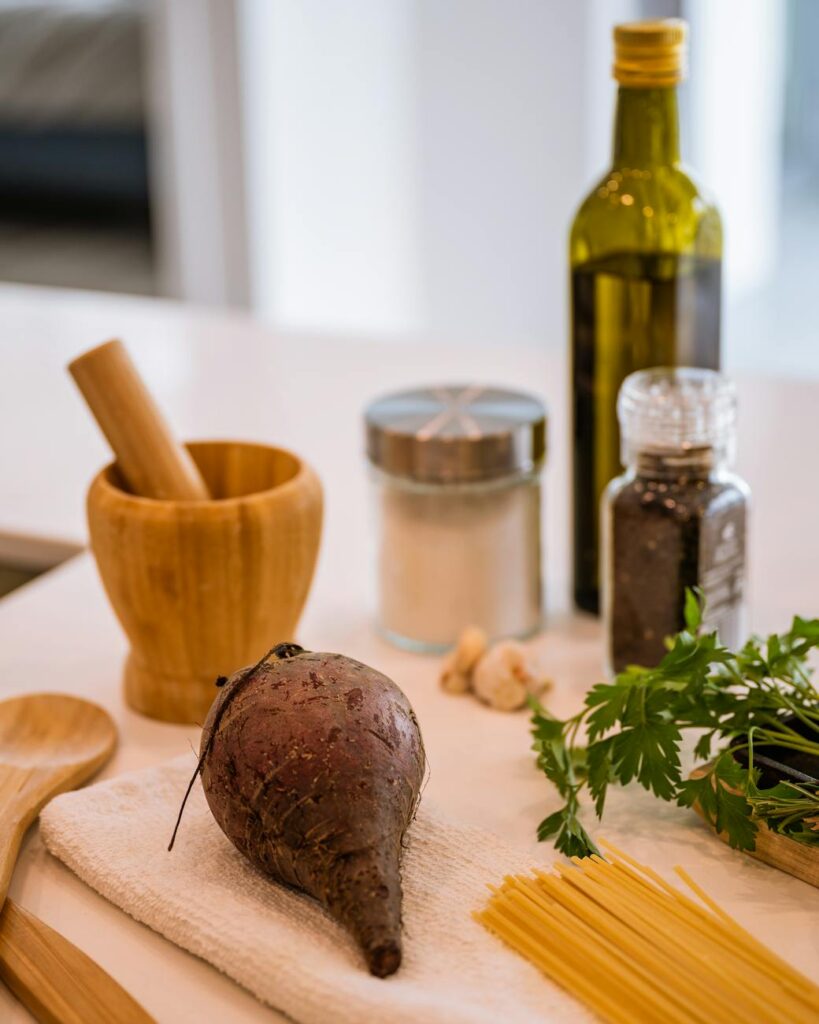
Beginner’s Guide to Beetroot
Introduction
Beetroot, commonly referred to simply as “beet,” is a vibrant root vegetable renowned for its deep, rich color and earthy flavor. This versatile ingredient has gained prominence in modern culinary practices, not only for its nutritional benefits but also for its aesthetic appeal. This guide aims to provide a comprehensive overview of beetroot, covering its history, production, quality considerations, and various applications.
What Is Beetroot?
Beetroot is the taproot portion of the beet plant, scientifically classified as Beta vulgaris. It belongs to the Amaranthaceae family and is characterized by its bulbous shape and dark red to purple hue, although yellow and white varieties exist. The edible parts of the plant include the root, leaves (often referred to as beet greens), and stalks. Beetroot is celebrated not only for its unique flavor profile but also for its visual impact in dishes, making it a popular choice among chefs and home cooks alike.
History and Origins
Beetroot’s history can be traced back to the Mediterranean region, where its wild ancestors were native. The ancient Romans and Greeks cultivated beets primarily for their greens, while the root itself was used less frequently until its culinary value was recognized in the Middle Ages. By the 16th century, beetroot began to gain popularity across Europe, particularly in Eastern European cuisines, where it became a staple ingredient in dishes such as borscht.
Various cultivars have emerged over the centuries, each with distinct characteristics suited to different climates and culinary uses. Today, beetroot is cultivated worldwide, thriving in temperate climates and becoming a beloved ingredient in numerous global cuisines.
Production and Processing
The cultivation of beetroot involves several key stages, from planting to harvest. Typically, beetroot is sown in the spring and harvested in late summer or early autumn. The plant thrives in well-drained soil with adequate moisture and sunlight. Farmers often employ crop rotation strategies to maintain soil health and reduce pests.
Once harvested, beetroots are subjected to various processing methods before reaching consumers. Common processes include washing, trimming, and packaging. Additionally, beetroots can be cooked, pickled, or juiced, allowing for diverse applications in culinary practices. The processing not only enhances the flavor but also extends the shelf life of the vegetable.
Quality and Grading
The quality of beetroot is influenced by several factors, including size, color, and firmness. When assessing beetroot, consumers should look for roots that are firm and smooth, with a vibrant color indicating freshness. Smaller beets are often more tender and flavorful than larger ones, which can be woody in texture.
Grading standards can vary by region, but generally, beetroots are categorized into three grades:
- Grade A: High-quality beets that are uniform in size and color, with no blemishes or soft spots.
- Grade B: Acceptable quality that may have minor imperfections but is still suitable for culinary use.
- Grade C: Lower quality beets that may be overly large or have significant blemishes; often used for processing rather than fresh consumption.
- Refrigeration: Store unwashed beetroots in the vegetable crisper drawer of the refrigerator. They should last for 2 to 3 weeks.
- Removing Greens: If beetroots have their greens attached, remove them to prevent moisture loss, which can lead to spoilage.
- Freezing: For longer storage, beetroots can be blanched and then frozen. This method preserves their flavor and nutritional content, allowing for use in future dishes.
- Avoiding Ethylene: Be mindful that beetroots are sensitive to ethylene gas, which is emitted by certain fruits, such as apples and bananas. Storing them away from these fruits can help prolong their shelf life.
Buying Considerations
When purchasing beetroot, several factors should be taken into account to ensure quality and freshness.
1. Seasonality: Beetroot is typically in season from late summer to early spring. Buying during this period increases the likelihood of obtaining fresher produce.
2. Appearance: Select beetroots that are firm, smooth, and free from cracks or soft spots. The greens should also appear fresh and vibrant if they are still attached.
3. Size: Smaller beets are generally more tender and flavorful, while larger ones might be better suited for roasting or processing.
4. Organic vs. Conventional: Consider whether to purchase organic beets, which may be preferred for those concerned about pesticide use.
5. Local Sourcing: Whenever possible, buy from local farmers’ markets or trusted suppliers to ensure freshness and support local agriculture.
Uses and Applications
Beetroot is a versatile ingredient that can be utilized in various culinary applications. Its earthy flavor and striking color make it an excellent addition to salads, soups, and side dishes. Here are some common uses:
1. Salads: Roasted or pickled beetroot can add depth and color to salads, complementing greens and other vegetables.
2. Soups: Beetroot is the star ingredient in traditional soups like borscht, where its flavor and color create a hearty dish.
3. Juices and Smoothies: Beetroot juice has gained popularity for its vibrant color and potential health benefits, often combined with other fruits and vegetables.
4. Purees and Dips: Pureed beetroot can be used as a base for dips or spreads, offering a unique flavor profile that pairs well with creamy ingredients.
5. Baking: Beetroot can also be incorporated into baked goods, such as muffins or brownies, providing moisture and a subtle sweetness.
6. Garnishes: Thinly sliced or julienned beetroot can serve as an elegant garnish, enhancing the visual appeal of a dish.
Storage and Shelf Life
Proper storage is essential to maintain the quality and freshness of beetroot. When storing beetroots, follow these guidelines:
Common Misconceptions
Despite its popularity, several misconceptions surround beetroot:
1. Beetroot Is Only Red: While the deep red variety is the most well-known, beetroot also comes in yellow and white varieties, each with its own unique flavor profile.
2. Beetroot Is Only for Salads: Many people associate beetroot solely with salads, but it can be used in a wide array of dishes, including soups, juices, and even baked goods.
3. Cooking Diminishes Nutritional Value: While some nutrients can be lost during cooking, methods such as steaming or roasting can preserve much of beetroot’s nutritional content.
4. All Beetroots Are the Same: Different varieties of beetroot offer distinct flavors and textures, leading to varying culinary applications.
5. Beetroot Causes Urine Change: While some individuals may experience pink or red urine after consuming beetroot, this phenomenon, known as beeturia, is harmless and occurs due to the pigments present in the root.
Frequently Asked Questions
1. How do I select fresh beetroot at the store?
Look for firm, smooth beetroots with no blemishes or soft spots. Smaller beets tend to be more tender and flavorful.
2. Can I eat beet greens?
Yes, beet greens are edible and nutritious. They can be sautéed, used in salads, or added to smoothies.
3. How do I prepare beetroot for cooking?
Beetroot can be roasted, boiled, or steamed. Wash thoroughly, and if desired, peel before cooking.
4. Is beetroot available year-round?
While beetroot is in season from late summer to early spring, it is often available year-round due to storage and greenhouse cultivation.
5. Does cooking affect the color of beetroot?
Cooking can alter the color of beetroot, often causing it to become less vibrant. To retain color, consider steaming or roasting with the skin on.
6. Can I store beetroot in the pantry?
It is not recommended to store beetroot in the pantry. They should be kept in a cool, dark place, preferably in the refrigerator, to maintain freshness.
Conclusion
Beetroot is more than just a flavorful ingredient; it represents a rich history, diverse applications, and numerous culinary possibilities. Understanding its origins, production methods, and storage techniques can enhance both the enjoyment and utilization of this unique root vegetable. As you embark on your culinary journey with beetroot, embrace its versatility and allow its vibrant character to shine in your dishes.