
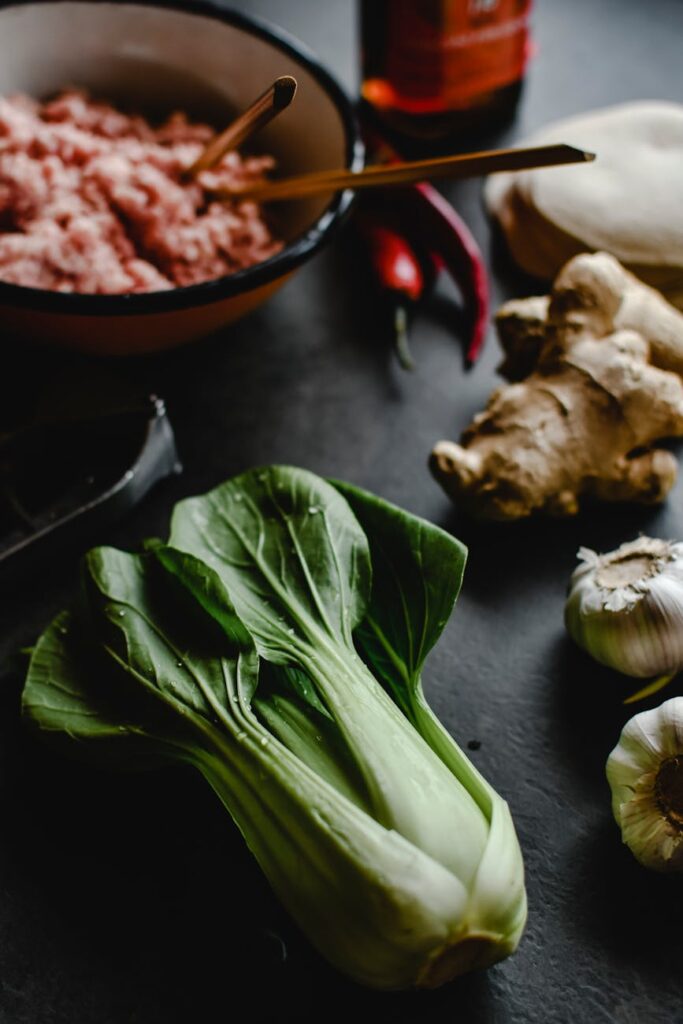
Beginner’s Guide to Bok Choy
Introduction
Bok choy, also known as Chinese cabbage, is a versatile and nutritious vegetable that has gained popularity worldwide. With its crisp texture and mild flavor, it has become a staple in various cuisines, particularly in East Asian cooking. This guide aims to provide a comprehensive understanding of bok choy, touching on its history, production, quality, culinary applications, and more.
What Is Bok Choy?
Bok choy (Brassica rapa subsp. chinensis) is a leafy green vegetable belonging to the Brassica family, which includes other cruciferous vegetables like broccoli, kale, and Brussels sprouts. Characterized by its dark green leaves and white stalks, bok choy is often divided into two main types: the mature variety, which features a bulbous base and larger leaves, and the baby bok choy, which is smaller and more tender. Its flavor is mild and slightly sweet, making it an ideal addition to a variety of dishes.
History and Origins
Bok choy has a rich history that traces back over 5,000 years to China, where it has been cultivated since the Han Dynasty. Originally grown for its edible leaves, it quickly became a staple in Chinese cuisine. The name “bok choy” derives from Cantonese, meaning “white vegetable.” As trade and culinary exchanges expanded, bok choy made its way to various parts of Asia and eventually to the rest of the world, becoming a prominent ingredient in many international dishes.
Production and Processing
Cultivation
Bok choy thrives in cool climates, making it suitable for spring and fall planting. It requires well-draining soil rich in organic matter and benefits from consistent moisture. Farmers often use crop rotation to prevent soil depletion and pest problems. The growth cycle of bok choy is relatively short, typically taking 30 to 60 days from seed to harvest, depending on the variety and growing conditions.
Harvesting
Harvesting bok choy involves cutting the plant at the base, just above the soil line. This method ensures that the leaves remain crisp and the flavor optimal. It is crucial to harvest before the plant bolts, or flowers, which can lead to a bitter taste. Depending on the demand and intended use, bok choy can be marketed as whole heads, pre-cut, or even as a bagged salad mix.
Quality and Grading
The quality of bok choy is determined by several factors, including freshness, color, texture, and size. High-quality bok choy should have vibrant green leaves that are crisp and free from blemishes or yellowing. The stalks should be plump and firm, indicating good hydration. In commercial settings, bok choy is often graded based on these criteria, with higher grades commanding better market prices.
Buying Considerations
When purchasing bok choy, whether at a grocery store or farmers’ market, consider the following factors:
- Freshness: Look for bok choy with bright green leaves and firm stalks. Avoid any that show signs of wilting or yellowing.
- Size: Depending on your culinary needs, you may choose between baby bok choy for tenderness or mature bok choy for a heartier texture.
- Organic vs. Conventional: If you prefer organic produce, check for certification labels. Organic bok choy is grown without synthetic pesticides and fertilizers.
- Seasonality: Bok choy is typically in season during cooler months. Purchase it when it is in season for optimal flavor and quality.
- Stir-Fries: Its crisp texture holds up well in high-heat cooking methods, making it an excellent choice for stir-fries.
- Soups and Broths: Bok choy adds a mild sweetness and depth to soups, particularly Asian-style broths.
- Salads: Baby bok choy can be used raw in salads, providing a crunchy texture and fresh flavor.
- Sautéing and Steaming: A quick sauté or steam enhances the vegetable’s natural sweetness while retaining its vibrant color.
- Refrigeration: Store bok choy in the crisper drawer of the refrigerator, ideally wrapped in a damp paper towel and placed in a perforated plastic bag. This method helps maintain moisture while allowing for some airflow.
- Shelf Life: Fresh bok choy can last from 3 to 7 days in the refrigerator. Signs of spoilage include wilting leaves, yellowing, and a slimy texture.
- Freezing: While not commonly frozen due to its texture changes, bok choy can be blanched and frozen for later use in soups and stir-fries.
- Only for Asian Cuisine: While bok choy is a staple in Asian cooking, it can be seamlessly integrated into a variety of global cuisines, from salads to pasta dishes.
- Difficult to Prepare: Many people believe bok choy requires special techniques to cook. In reality, it is as simple to prepare as other leafy greens.
- Limited Nutritional Value: Some may think that bok choy is nutritionally inferior compared to other vegetables. However, it is rich in vitamins A, C, and K, as well as minerals such as calcium and iron.
- Yes, bok choy is a variety of Chinese cabbage, belonging to the Brassica family.
- Yes, baby bok choy can be eaten raw in salads, while mature bok choy is typically cooked.
- Fresh bok choy should have bright green leaves, firm stalks, and a crisp texture, with no signs of wilting or discoloration.
- Bok choy is versatile and can be stir-fried, steamed, sautéed, or added to soups. Cooking methods may vary based on personal preference.
- Yes, bok choy can be easily grown in home gardens, requiring well-draining soil and moderate temperatures.
- Yes, there are several varieties, including Shanghai bok choy and Norfolk bok choy, each with unique characteristics and flavors.
Uses and Applications
Bok choy is incredibly versatile and can be enjoyed in various culinary applications:
Storage and Shelf Life
Bok choy is best consumed fresh, but proper storage can extend its shelf life. Here are some tips:
Common Misconceptions
Despite its popularity, there are several misconceptions about bok choy:
Frequently Asked Questions
1. Is bok choy a type of cabbage?
2. Can I eat bok choy raw?
3. How do I know when bok choy is fresh?
4. What is the best way to cook bok choy?
5. Can I grow bok choy at home?
6. Are there any varieties of bok choy?
In summary, bok choy is not just a staple of Asian cuisine but a versatile ingredient that can enhance a variety of dishes. Understanding its history, cultivation, and culinary applications can enrich your cooking experience and appreciation for this remarkable vegetable. Whether you’re a novice cook or a seasoned chef, incorporating bok choy into your recipes can add a delightful crunch and nutritional benefits to your meals.