
Beginner’s Guide to Bulgur
Introduction
Bulgur, a staple in Middle Eastern cuisine, has garnered global attention for its nutritional benefits, versatility, and ease of preparation. This ancient grain, often mistaken for other whole grains, holds a unique position in culinary traditions, offering a nutty flavor and chewy texture that enhance a variety of dishes. In this guide, we will explore bulgur in detail, covering its history, production methods, grading, and practical applications in the kitchen.
What Is Bulgur?
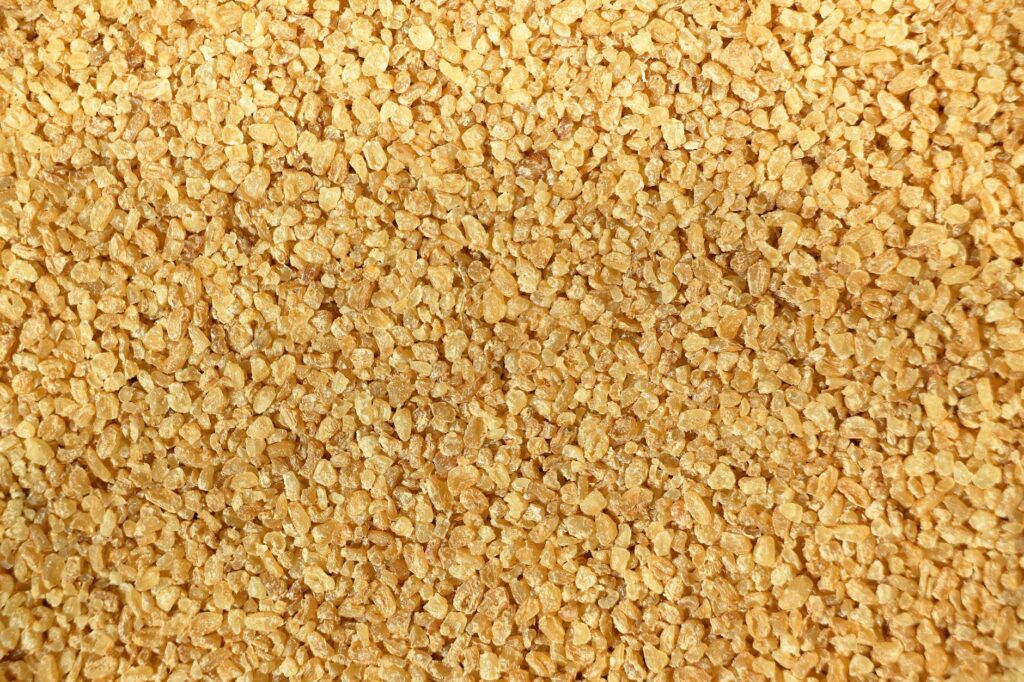
Bulgur is a whole grain made from cracked wheat, specifically durum wheat. The process involves parboiling the wheat grains, drying them, and then cracking them into various sizes. This preparation not only quickens cooking time but also preserves the grain’s nutritional value, making bulgur a popular choice for health-conscious consumers. It is often found in salads, pilafs, and soups, and serves as a nutritious base for a myriad of dishes.
History and Origins
The origins of bulgur can be traced back thousands of years to the regions of the Middle East and the Mediterranean. It is believed to have been cultivated by the ancient civilizations of Mesopotamia, particularly the Sumerians and Babylonians. The grain played a crucial role in their diets and was often used in religious rituals and celebrations. Over time, bulgur spread to various cultures, including Turkish, Armenian, and Levantine cuisines, where it became a staple ingredient.
Today, bulgur remains an integral part of many traditional dishes, such as tabbouleh and kibbeh, symbolizing not only a culinary heritage but also a connection to the agricultural practices of ancient societies.
Production and Processing
The production of bulgur involves several steps:
1. Harvesting: The durum wheat is harvested when ripe, usually in late summer.
2. Cleaning: The grains are cleaned to remove impurities such as dirt and debris.
3. Parboiling: The cleaned grains are then parboiled, a process that partially cooks the wheat and gelatinizes the starches. This step enhances the grain’s flavor and nutritional profile.
4. Drying: After parboiling, the grains are dried to eliminate moisture, which helps prevent spoilage.
5. Cracking: Finally, the dried grains are cracked into various sizes, resulting in coarse, medium, and fine bulgur.
The entire process preserves the bran and germ, making bulgur a whole grain that retains essential nutrients, fiber, and flavor.
Quality and Grading
Bulgur is typically classified by its size, which affects its cooking time and texture. The main grades are:
- Coarse Bulgur: Often used in pilafs or as a stuffing, it requires longer cooking times.
- Medium Bulgur: Commonly found in salads and side dishes, it cooks relatively quickly.
- Fine Bulgur: Typically used in dishes like tabbouleh, it cooks almost instantly when soaked in water.
- Salads: Bulgur is a key component in many salads, most notably tabbouleh, where it is combined with fresh herbs, tomatoes, and a tangy dressing.
- Pilafs: It can serve as a base for pilafs, absorbing flavors from broth and spices.
- Stuffings: Coarse bulgur is often used as a stuffing for vegetables such as peppers and zucchini.
- Soups: Bulgur can be added to soups for added texture and nutrition.
- Baking: Fine bulgur can be incorporated into bread and baked goods for added fiber and flavor.
- Airtight Container: Store bulgur in an airtight container to protect it from moisture, pests, and odors.
- Cool, Dry Place: Keep the container in a cool, dry place, away from direct sunlight and heat sources.
- Refrigeration: For extended shelf life, consider refrigerating or freezing bulgur, especially if you live in a warm climate.
When selecting bulgur, look for products that are free from foreign debris, have a pleasant nutty aroma, and are packaged in sealed containers. The color should be consistent, with no signs of discoloration or rancidity, indicating freshness and quality.
Buying Considerations
When purchasing bulgur, consider the following factors:
1. Type: Decide whether you need coarse, medium, or fine bulgur based on your intended use.
2. Packaging: Opt for products that are vacuum-sealed or packaged in airtight containers to preserve freshness.
3. Brand Reputation: Choose brands known for their quality and reliability. Reading reviews can provide insights into their reputation.
4. Organic vs. Conventional: If you prefer organic products, look for certified organic bulgur, which is grown without synthetic pesticides or fertilizers.
5. Expiration Date: Always check the expiration date to ensure you are buying fresh bulgur.
Buying in bulk can also be cost-effective, especially if you use bulgur frequently, but ensure that you have a proper storage solution to maintain its quality.
Uses and Applications
Bulgur is an incredibly versatile ingredient that can be used in a wide array of culinary applications:
The cooking method varies with the size of the bulgur; fine bulgur usually only requires soaking in hot water, while coarse and medium bulgur may require boiling.
Storage and Shelf Life
To maintain the quality of bulgur, proper storage is essential. Here are some guidelines:
When stored correctly, bulgur can last for up to a year, although it is best consumed within six months for optimal freshness.
Common Misconceptions
Despite its popularity, several misconceptions about bulgur persist:
1. Bulgur is the Same as Couscous: While both are often used in similar dishes, bulgur is made from whole wheat, while couscous is made from semolina flour and is processed differently.
2. Bulgur is Gluten-Free: Bulgur is not gluten-free, as it is made from wheat. Individuals with gluten sensitivities or celiac disease should avoid it.
3. Bulgur is a New Ingredient: Many people assume bulgur is a modern health trend, but it has been consumed for thousands of years.
4. Bulgur is Difficult to Cook: In reality, bulgur is one of the easiest grains to prepare, especially the finer varieties that require little more than soaking.
Understanding these misconceptions can enhance appreciation for bulgur’s culinary potential.
Frequently Asked Questions
1. How do I cook bulgur?
Cooking bulgur is straightforward. For fine bulgur, simply soak it in boiling water for about 20-30 minutes until fluffy. For medium or coarse bulgur, bring water to a boil, add the bulgur, and simmer for 12-15 minutes until tender.
2. Is bulgur healthy?
Bulgur is considered a healthy option as it is high in fiber, protein, and essential nutrients. It provides a complex carbohydrate source that can aid in digestion and promote a feeling of fullness.
3. Can I substitute bulgur for rice or quinoa?
Yes, bulgur can be used as a substitute for rice or quinoa in many dishes. It offers a similar texture but with a distinct nutty flavor.
4. Is bulgur suitable for vegans?
Absolutely! Bulgur is plant-based and can be easily incorporated into vegan meals, providing a nutritious grain option.
5. What dishes can I make with bulgur?
Bulgur can be used in various dishes, including salads like tabbouleh, pilafs, stuffed vegetables, and even as a base for grain bowls.
6. How can I incorporate bulgur into my diet?
You can add bulgur to salads, soups, or use it as a side dish. It can also be included in baked goods or as a filling for wraps and stuffed foods, offering a nutritious and filling alternative.
Conclusion
Bulgur is a versatile and nutritious ingredient with a rich history and a plethora of culinary applications. As a whole grain, it offers substantial health benefits while being easy to prepare and incorporate into various dishes. Whether you are a novice in the kitchen or an experienced cook, understanding the nuances of bulgur will enhance your culinary repertoire and allow you to appreciate this ancient grain in new and exciting ways.