
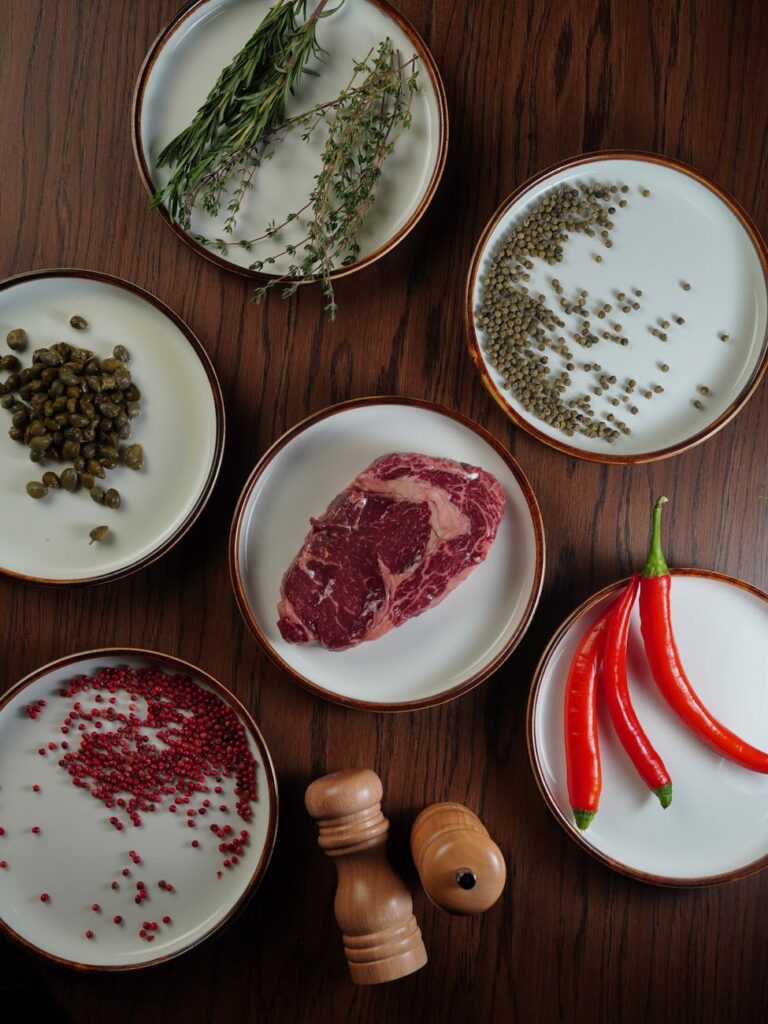
Beginner’s Guide to Capers
Introduction
Capers are small, flavorful buds that have captured the attention and palate of culinary enthusiasts around the globe. Often associated with Mediterranean cuisine, these tiny green gems add a punch of briny flavor, enhancing a variety of dishes. This guide aims to provide an in-depth understanding of capers, covering their history, production, quality grading, buying tips, uses, storage, and common misconceptions.
What Is Guides?
Guides, in the context of culinary ingredients, serve as comprehensive resources that help consumers and culinary professionals alike understand the nuances of specific ingredients. They offer insight into the sourcing, preparation, and application of these ingredients, thus empowering individuals to make informed decisions in their culinary endeavors.
History and Origins
Capers have a rich history that dates back thousands of years. Originating from the Mediterranean region, particularly in countries like Italy, Greece, and Spain, capers have been used since antiquity. Ancient Greeks and Romans valued capers not only for their flavor but also for their supposed medicinal properties. They were often mentioned in historical texts, including those by Pliny the Elder.
The caper plant, known scientifically as Capparis spinosa, thrives in hot, dry climates and is typically found growing wild in rocky terrains. The buds, which are harvested before they bloom into flowers, are then preserved through curing in salt, vinegar, or brine. This process enhances their flavor and extends their shelf life, making them an enduring staple in Mediterranean kitchens.
Production and Processing
The production of capers begins with careful harvesting. The buds must be picked at the right time—before they bloom—when they are still tightly closed. This timing is crucial, as the flavor profile of capers depends significantly on the maturity of the buds at the time of harvest.
Once harvested, capers undergo a preservation process, primarily involving curing in salt or brine. The salting process draws out moisture, intensifying the flavor while preventing spoilage. After curing, capers are often rinsed to reduce their saltiness before packaging. The final product can vary in size, with larger capers, often referred to as “nonpareils,” being considered the highest quality.
Quality and Grading
Capers are graded based on size, flavor intensity, and the method of preservation. The most common classifications include:
1. Nonpareils: These are the smallest and most sought-after capers, known for their delicate flavor.
2. Capucines: Slightly larger than nonpareils, these capers still maintain a good balance of flavor and saltiness.
3. Surfines: These are medium-sized capers, often used in a variety of dishes but may lack the nuanced flavor of smaller varieties.
4. Larges: The largest capers, these can be quite salty and sometimes have a less intense flavor.
The grading system helps chefs and home cooks select the appropriate type of caper for their culinary needs, ensuring a balance between flavor and dish requirements.
Buying Considerations
When purchasing capers, there are several factors to consider to ensure you select a high-quality product:
- Type: Decide on the type of caper you need based on your dish. Nonpareils are ideal for dressings and garnishes, while larger varieties may be better suited for stews or sauces.
- Packaging: Capers can be found in jars, cans, or bulk bins. Jars often provide better preservation, while bulk options can be more economical.
- Brine Quality: Check the brine or salt content. High-quality capers should have a balanced flavor, with the brine enhancing rather than overwhelming the natural taste.
- Origin: Look for capers sourced from Mediterranean regions, as these are often considered the best in terms of quality and flavor.
- Expiration Date: Always check the expiration date or best-by date to ensure freshness.
- Seafood: Capers can elevate dishes such as salmon, tuna, or seafood pasta, providing a briny contrast to the delicate flavors of fish.
- Pasta: Tossing capers with olive oil, garlic, and fresh herbs can create a simple yet flavorful pasta dish.
- Meat: They are often used in sauces for chicken, veal, or pork. Chicken piccata, for example, features capers prominently in its sauce.
- Dressings and Sauces: Capers are a key ingredient in classic sauces like tartar sauce and remoulade, adding depth and flavor.
- Salads: They can be sprinkled over green salads or grain salads, contributing a zesty burst of flavor.
- Garnishes: Their unique texture and flavor make capers an excellent garnish for various dishes, from bruschetta to omelets.
- Unopened Jars: Store in a cool, dark place away from direct sunlight. Unopened jars can last for several years.
- Opened Jars: Once opened, capers should be kept in the refrigerator. Ensure they are submerged in their brine to maintain freshness. They can typically last for several months in the refrigerator when properly stored.
- Dried Capers: If you purchase dried capers, keep them in an airtight container in a cool, dark place. They can last for a year or more, but their flavor may diminish over time.
Uses and Applications
Capers are incredibly versatile and can enhance a wide array of dishes. Their unique, tangy flavor pairs exceptionally well with:
Storage and Shelf Life
Capers have a long shelf life, especially when stored correctly. Here are some guidelines for optimal storage:
Common Misconceptions
Despite their popularity, several misconceptions about capers persist:
1. Capers Are a Vegetable: Many people mistakenly believe