
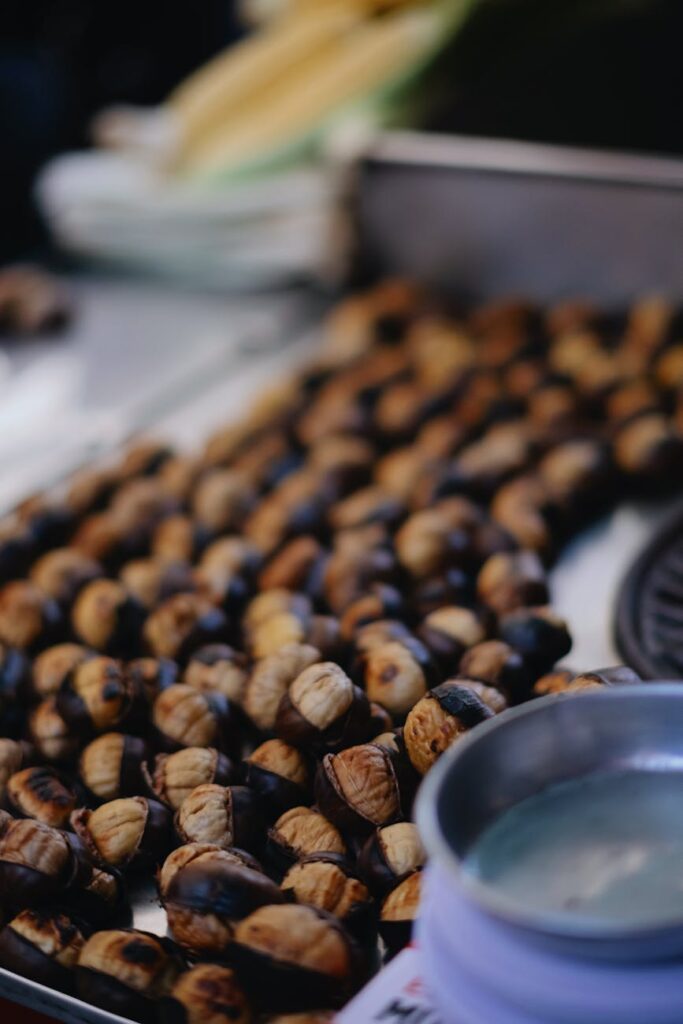
Beginner’s Guide to Chestnut Puree
Introduction
Chestnut puree, a versatile and rich ingredient, has garnered attention in culinary circles for its unique flavor profile and myriad applications. As a staple in various cuisines, particularly during the autumn and winter months, chestnut puree serves as a bridge between sweet and savory dishes. This guide aims to provide a comprehensive overview of chestnut puree, including its history, production methods, quality indicators, and practical uses.
What Is Chestnut Puree?
Chestnut puree is a smooth paste made from roasted or cooked chestnuts, often sweetened or flavored to enhance its natural taste. Unlike other nut purees, chestnut puree has a distinctly creamy texture and a subtly sweet, earthy flavor, making it a unique ingredient for both desserts and savory dishes. It can be found in various forms, including canned, jarred, or freshly made, and is often used as a base for sauces, fillings, and spreads.
History and Origins
Chestnuts have been cultivated for thousands of years, with origins traced back to ancient civilizations in Europe, Asia, and the Mediterranean. The sweet chestnut tree (Castanea sativa) was especially important in Europe, where its nuts were a staple food source. Historically, chestnuts were ground into flour or roasted for consumption, but it wasn’t until the 19th century that chestnut puree began to gain popularity as an ingredient.
In France, chestnut puree, known as “crème de marrons,” became a beloved delicacy, often sweetened and used in desserts. The tradition spread across Europe and into North America, where chefs began to experiment with its applications in both sweet and savory dishes. Today, chestnut puree is enjoyed worldwide, celebrated for its unique flavor and culinary versatility.
Production and Processing
The production of chestnut puree involves several key steps:
1. Harvesting: Chestnuts are typically harvested in late autumn when they fall from the trees. Care is taken to select only the freshest nuts for processing.
2. Roasting or Cooking: The harvested chestnuts are either roasted or boiled to soften their texture. Roasting enhances their flavor, while boiling may retain more moisture.
3. Peeling: Once cooked, the chestnuts are cooled and the outer shell, along with the bitter inner skin, is removed. This step is crucial for achieving a smooth puree.
4. Pureeing: The peeled chestnuts are then blended into a smooth paste. This can be done using a food processor or a traditional mortar and pestle for a more artisanal approach.
5. Sweetening and Flavoring (Optional): Depending on the intended use, sugar, vanilla, or other flavorings may be added to enhance the puree’s taste.
6. Packaging: The final product is packaged in jars or cans, ensuring that it retains its freshness and flavor for consumers.
Quality and Grading
When it comes to chestnut puree, quality is paramount. Several factors contribute to the grading of chestnut puree:
- Texture: A high-quality puree should be smooth and creamy, without any lumps or graininess. This is indicative of well-processed chestnuts.
- Flavor: The taste should be well-balanced, showcasing the natural sweetness of the chestnuts without being overly sugary or artificial.
- Color: A rich, golden-brown color is ideal. Any discoloration may indicate oxidation or poor-quality chestnuts.
- Ingredients: Premium chestnut purees typically contain minimal ingredients, often just chestnuts and perhaps a small amount of sweetener. Avoid products with artificial additives or preservatives.
- Source: Consider the origin of the chestnuts; those from traditional growing regions are often of higher quality.
- Brand Reputation: Opt for brands known for quality and integrity. Research customer reviews and ratings to ensure you’re selecting a reputable product.
- Packaging: Check for intact packaging, as any damage may compromise the product’s freshness. Glass jars are often preferable to cans for preserving flavor.
- Ingredients List: Examine the label for added ingredients. Ideally, the list should be short, featuring only chestnuts and natural sweeteners.
- Storage Instructions: Pay attention to storage recommendations, especially if buying in bulk.
- Price Point: While premium products may be more expensive, they often deliver superior flavor and quality. Consider trying smaller quantities first to determine which brands you prefer.
- Desserts: Chestnut puree is a popular filling for pastries, cakes, and tarts. It can also be incorporated into mousses, ice creams, and custards, adding a unique flavor and creamy texture.
- Savory Dishes: In savory applications, chestnut puree can be used as a base for sauces or soups, providing depth and richness. It pairs well with meats, particularly game and poultry.
- Spreads: A delightful spread for toast or pancakes, chestnut puree can be enjoyed on its own or mixed with other ingredients like chocolate or spices.
- Baking: Chestnut puree can be used in place of flour or other fats in certain baking recipes, offering a gluten-free option while enhancing the flavor profile.
- Unopened Containers: Store in a cool, dry place away from direct sunlight. Unopened chestnut puree can last for up to two years, but always check the expiration date.
- Opened Containers: Once opened, chestnut puree should be refrigerated in an airtight container and consumed within 5 to 7 days for optimal freshness.
Buying Considerations
When purchasing chestnut puree, whether online or at a local store, consider the following factors:
Uses and Applications
Chestnut puree is incredibly versatile and can be used in a variety of dishes:
Storage and Shelf Life
Proper storage is essential to maintaining the quality of chestnut puree. Here are some guidelines: