
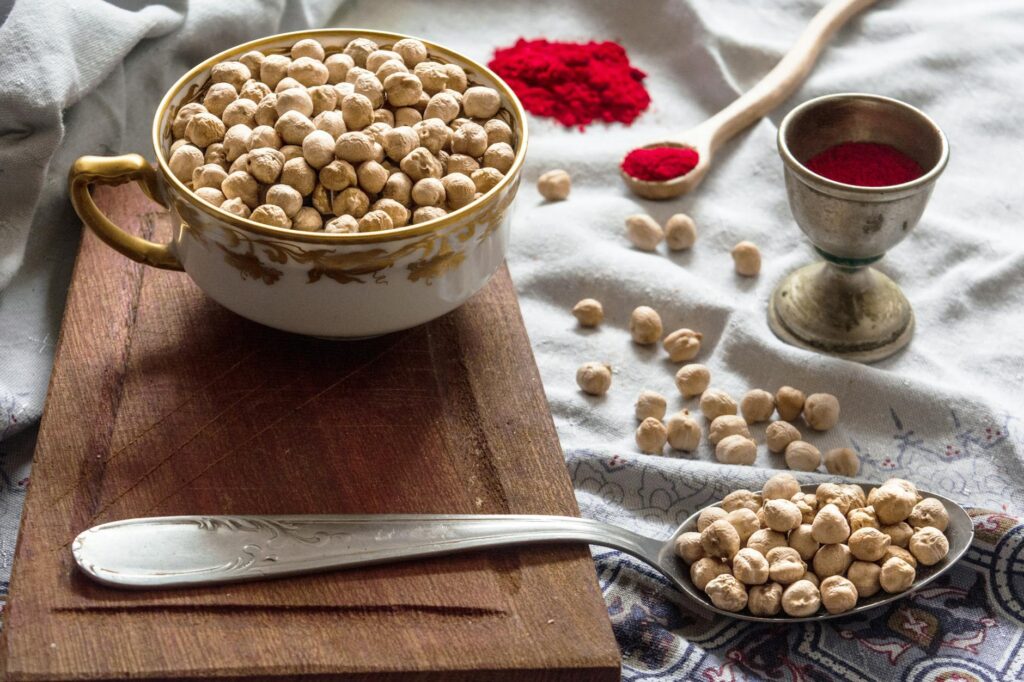
Beginner’s Guide to Chickpea Flour
Introduction
Chickpea flour, also known as gram flour or besan, is a versatile and nutritious ingredient derived from ground chickpeas. With its roots in various global cuisines, chickpea flour has gained popularity not only for its culinary applications but also for its health benefits. This guide aims to provide a comprehensive understanding of chickpea flour, covering its history, production, uses, and more, making it an essential resource for anyone interested in this unique ingredient.
What Is Chickpea Flour?
Chickpea flour is made by milling dried chickpeas into a fine powder. Its nutty flavor and slightly grainy texture make it a staple in many recipes, especially in Indian, Middle Eastern, and Mediterranean cuisines. Rich in protein, fiber, and various vitamins and minerals, chickpea flour serves as an excellent alternative to wheat flour for gluten-free baking and cooking.
History and Origins
The history of chickpea flour can be traced back thousands of years. Chickpeas themselves are among the oldest cultivated legumes, believed to have originated in the Middle East around 7,500 years ago. Historical evidence suggests that chickpeas were a staple in ancient diets, particularly in regions like the Levant and the Mediterranean.
The use of chickpea flour became prominent in Indian cuisine, where it is known as besan. It is essential in various traditional dishes, such as pakoras and dhoklas. Over time, the popularity of chickpea flour spread, leading to its incorporation into diverse culinary practices worldwide, including Italian socca and French panisse.
Production and Processing
The production of chickpea flour involves several steps:
1. Selection of Chickpeas: High-quality, mature chickpeas are selected based on size, color, and absence of defects.
2. Cleaning: The chickpeas are thoroughly cleaned to remove any dirt, stones, or impurities.
3. Drying: If necessary, the chickpeas are dried to ensure optimal moisture content, which is crucial for milling.
4. Milling: The dried chickpeas are ground using stone mills or modern grinders to achieve a fine powder. The milling process may vary in speed and temperature, influencing the final flour’s texture and flavor.
5. Sifting: The flour is often sifted to remove larger granules, ensuring a consistent texture.
6. Packaging: Finally, chickpea flour is packaged in airtight containers to maintain freshness and prevent moisture absorption.
Quality and Grading
The quality of chickpea flour is determined by several factors, including:
- Origin: The geographical source can affect flavor and nutritional content. Indian chickpeas, for instance, are often preferred for their flavor profile.
- Color: Quality chickpea flour typically has a pale yellow to light brown color, indicative of well-milled chickpeas.
- Texture: A fine, powdery texture is desirable, while coarser flour may be less versatile in culinary applications.
- Moisture Content: Lower moisture levels are preferred to prevent spoilage and maintain shelf life.
- Type of Chickpea: There are various types of chickpeas, such as desi and kabuli. Desi chickpeas are smaller and darker, often yielding a more flavorful flour, while kabuli chickpeas are larger and lighter.
- Brand Reputation: Choose reputable brands that prioritize quality and sourcing. Organic options may also be available, appealing to health-conscious consumers.
- Packaging: Ensure that the flour is packaged properly to maintain freshness. Look for sealed, opaque bags that prevent exposure to light and air.
- Expiration Date: Always check the expiration date to ensure you are purchasing fresh flour.
- Texture: If possible, examine the flour’s texture before buying. A fine, smooth powder is ideal for most applications.
- Baking: It can be used as a gluten-free substitute in baked goods, offering a distinct flavor and nutritional profile.
- Thickening Agent: Chickpea flour is excellent for thickening soups, stews, and sauces.
- Batter: It forms a perfect base for batters, whether for frying vegetables, meats, or fish.
- Pasta: Chickpea flour can be combined with water and other ingredients to create gluten-free pasta.
- Flatbreads: In various cultures, it is used to make flatbreads, such as socca in France and farinata in Italy.
- Crisps and Snacks: It can be used to make savory snacks, adding a unique flavor and crunch.
- Cool, Dry Place: Store chickpea flour in a cool, dry location, away from direct sunlight and humidity.
- Airtight Container: Transfer the flour to an airtight container after opening to prevent moisture absorption and contamination.
- Refrigeration: For extended shelf life, consider refrigerating or freezing the flour, particularly in warm climates.
- Gluten-Free: While chickpea flour is gluten-free, it may still be processed in facilities that handle gluten-containing grains. Always check for cross-contamination if you have gluten sensitivities.
- Flavor Profile: Some believe chickpea flour has a strong, off-putting taste
Grading standards may vary by region, but these factors are commonly used to assess chickpea flour’s quality.
Buying Considerations
When purchasing chickpea flour, consider the following factors:
Uses and Applications
Chickpea flour is a multifaceted ingredient with a wide range of applications:
Storage and Shelf Life
To maximize the shelf life of chickpea flour, follow these storage guidelines:
Typically, chickpea flour can last up to six months when stored properly at room temperature and even longer when refrigerated or frozen.
Common Misconceptions
Despite its popularity, several misconceptions about chickpea flour persist: