
Beginner’s Guide to Dulse
Introduction
Dulse (Palmaria palmata) is a type of red seaweed that has garnered attention for its unique flavor profile and nutritional benefits. Found along the coasts of the North Atlantic and North Pacific Oceans, dulse has been a part of traditional diets in various cultures for centuries. As interest in sea vegetables grows worldwide, dulse has emerged as a versatile ingredient that can enhance both culinary applications and health-conscious diets. This guide aims to provide a comprehensive overview of dulse, covering its history, production, uses, and more.
What Is Dulse?
Dulse is a red algae belonging to the Rhodophyta family. Characterized by its dark reddish-purple hue, dulse possesses a leathery texture and a distinctive umami flavor, often described as savory or slightly salty. This sea vegetable is harvested from rocky shorelines and is appreciated for its culinary versatility, being used in everything from salads to snacks. Beyond its flavor, dulse is also lauded for its nutritional profile, rich in minerals, vitamins, and antioxidants.
History and Origins
The use of dulse dates back thousands of years. Indigenous peoples of the North Atlantic regions, particularly in Ireland and Scotland, have consumed dulse for centuries, often drying it for preservation and adding it to various dishes. Historical records suggest that dulse was not only a food source but also used for medicinal purposes, leveraging its mineral content.
In the 18th century, dulse gained popularity beyond local communities, especially in European coastal regions. It became a staple food item in Ireland, where it is still enjoyed today. Over the years, globalization and the rise of culinary trends have introduced dulse to a broader audience, transforming it from a local delicacy to an ingredient celebrated in gourmet cuisine.
Production and Processing
Dulse is typically harvested from rocky shorelines during low tide. Harvesters collect the seaweed by hand or using specialized tools that minimize damage to the ecosystem. After harvesting, the dulse is washed to remove sand and salt, then either dried or processed into various forms, such as flakes or powders.
The drying process is crucial, as it not only preserves the dulse but also intensifies its flavor. Traditionally, dulse was sun-dried, but modern methods often involve dehydrators to ensure consistent quality. Once dried, dulse can be packaged for retail or further processed into food products.
Quality and Grading
The quality of dulse can vary based on several factors, including the harvesting location, drying method, and handling practices. High-quality dulse should have a vibrant color, a firm texture, and a fresh, oceanic aroma. When evaluating dulse, look for the following grading indicators:
1. Color: Bright reddish-purple indicates freshness, while dull or faded colors may suggest age or poor quality.
2. Texture: High-quality dulse should feel leathery and pliable, without being overly brittle.
3. Aroma: A fresh, briny scent is a good sign; musty or overly strong odors may indicate spoilage.
4. Moisture Content: Dulse should be adequately dried, with minimal moisture to prevent spoilage during storage.
Buying Considerations
When purchasing dulse, consider the following factors to ensure you are selecting the best quality product:
1. Source: Check the packaging for information on the source of the dulse. Sustainable harvesting practices are essential for preserving marine ecosystems.
2. Form: Dulse is available in various forms, including whole sheets, flakes, and powders. Choose based on your culinary needs.
3. Organic Certification: If possible, opt for organic dulse, which is free from harmful pesticides and chemicals.
4. Packaging: Look for airtight packaging to maintain freshness and prevent moisture absorption.
Visit specialty health food stores, Asian markets, or online retailers to explore a range of dulse products.
Uses and Applications
Dulse is a versatile ingredient that can be incorporated into a wide variety of dishes. Here are some common applications:
- Salads: Dulse can be rehydrated and added to salads for an umami flavor boost.
- Soups and Stews: It serves as a flavor enhancer in broths and stews, adding depth to the dish.
- Snacks: Dulse is often available in snack form, either roasted or seasoned, making it a healthy and flavorful alternative to traditional chips.
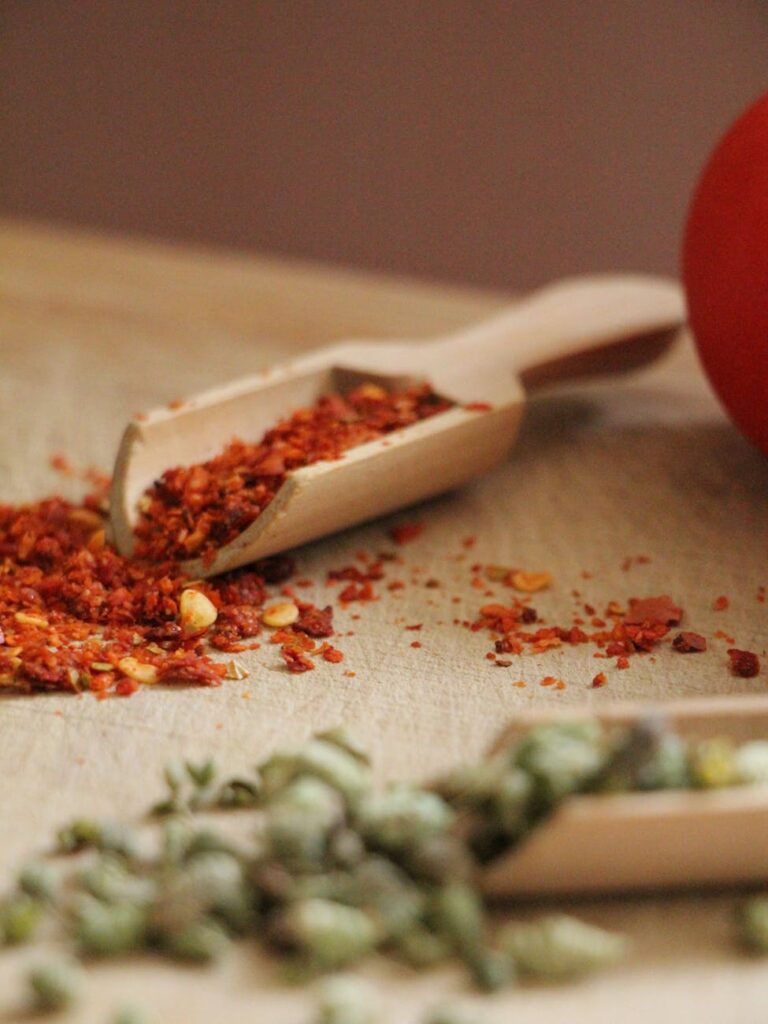
- Seasoning: Dulse flakes or powder can be used as a seasoning for vegetables, grains, or proteins, providing a unique flavor profile.
- Smoothies: Its nutrient density makes dulse a great addition to smoothies for added minerals and vitamins.
- Cool, Dry Place: Store dulse in a cool, dry environment, away from direct sunlight. A pantry or cupboard is ideal.
- Airtight Container: Keep dulse in an airtight container to prevent moisture absorption and maintain freshness.
- Refrigeration: While dried dulse can be stored at room temperature, once rehydrated or if purchased fresh, it should be refrigerated and consumed within a few days.
The culinary possibilities are vast, limited only by creativity.
Storage and Shelf Life
To maintain the quality of dulse, proper storage is essential. Here are some guidelines:
Typically, dried dulse can last for up to one year if stored correctly, but always check for signs of spoilage before consumption.
Common Misconceptions
Despite its growing popularity, several misconceptions about dulse persist:
1. Dulse Is Only for Vegans: While it is a staple in vegan diets, dulse can be enjoyed by anyone, regardless of dietary preference.
2. Dulse Is the Same as Other Seaweeds: Dulse has a unique flavor and texture that sets it apart