
Beginner’s Guide to Eggplant
Introduction
Eggplant, also known as aubergine or brinjal, is a versatile and flavorful ingredient cherished in various culinary traditions around the globe. With its unique texture and ability to absorb flavors, eggplant serves as a canvas for a myriad of dishes, from hearty stews to elegant appetizers. This guide delves into the multifaceted world of eggplant, covering its history, production methods, quality grading, and much more, providing a comprehensive resource for both novice cooks and seasoned chefs alike.
What Is Eggplant?
Eggplant (Solanum melongena) is a member of the nightshade family, which also includes tomatoes, potatoes, and peppers. Characterized by its glossy skin and spongy flesh, eggplant comes in various shapes, sizes, and colors, ranging from the classic deep purple to white, green, and striped varieties. The fruit is technically classified as a berry and is cultivated primarily for its culinary uses.
Eggplant is appreciated not only for its taste but also for its ability to complement a wide array of flavors, making it an indispensable ingredient in global cuisines.
History and Origins
Eggplant has a rich history that dates back over 1,500 years. Originally native to India and Southeast Asia, it was domesticated around 300 AD. Historical texts suggest that eggplant was cultivated in ancient China and later traveled to the Middle East and Europe through trade routes. By the Middle Ages, it found its way into Mediterranean cuisines, where it gained popularity.
In European cultures, eggplant was often regarded with suspicion due to its association with the nightshade family, which includes some toxic plants. However, as culinary practices evolved, it became a staple in dishes such as ratatouille in France and moussaka in Greece. Today, eggplant is grown worldwide, thriving in warm climates and is a key ingredient in many dishes across various cultures.
Production and Processing
Cultivation
Eggplant is typically cultivated in warm climates, thriving in temperatures between 70°F and 85°F (21°C to 29°C). The plant requires well-drained soil and full sunlight for optimal growth. It is usually started from seeds, which can be sown indoors before being transplanted outdoors once the threat of frost has passed.
Harvesting
Eggplants are harvested when they reach full size but before they become overripe. Signs of ripeness include a glossy skin and a slight give when pressed. Harvesting is often done by hand to avoid damaging the plant or the fruit.
Processing
Post-harvest, eggplants undergo sorting and grading based on size, color, and blemishes. They are then packaged for distribution, often in ventilated boxes to prevent bruising. Eggplants are typically sold fresh but can also be found in pickled or frozen forms.
Quality and Grading
Quality grading of eggplant is essential for both retailers and consumers. High-quality eggplants should have smooth, unblemished skin, and feel firm to the touch. The skin should exhibit a vibrant color, indicative of freshness.
Common grading categories include:
- Grade A: High-quality, uniform in size and color, with minimal blemishes.
- Grade B: Acceptable quality, may have minor imperfections but is still suitable for consumption.
- Grade C: Lower quality, often used for processing or cooking where appearance is less critical.
- Grilling and Roasting: Eggplant can be sliced and grilled or roasted, enhancing its natural sweetness and creating a smoky flavor.
- Baking: Dishes like eggplant parmesan utilize baking to achieve a crispy exterior while keeping the interior tender and flavorful.
- Stews and Curries: Eggplant is a staple in many stews and curries, where it absorbs spices and sauces beautifully.
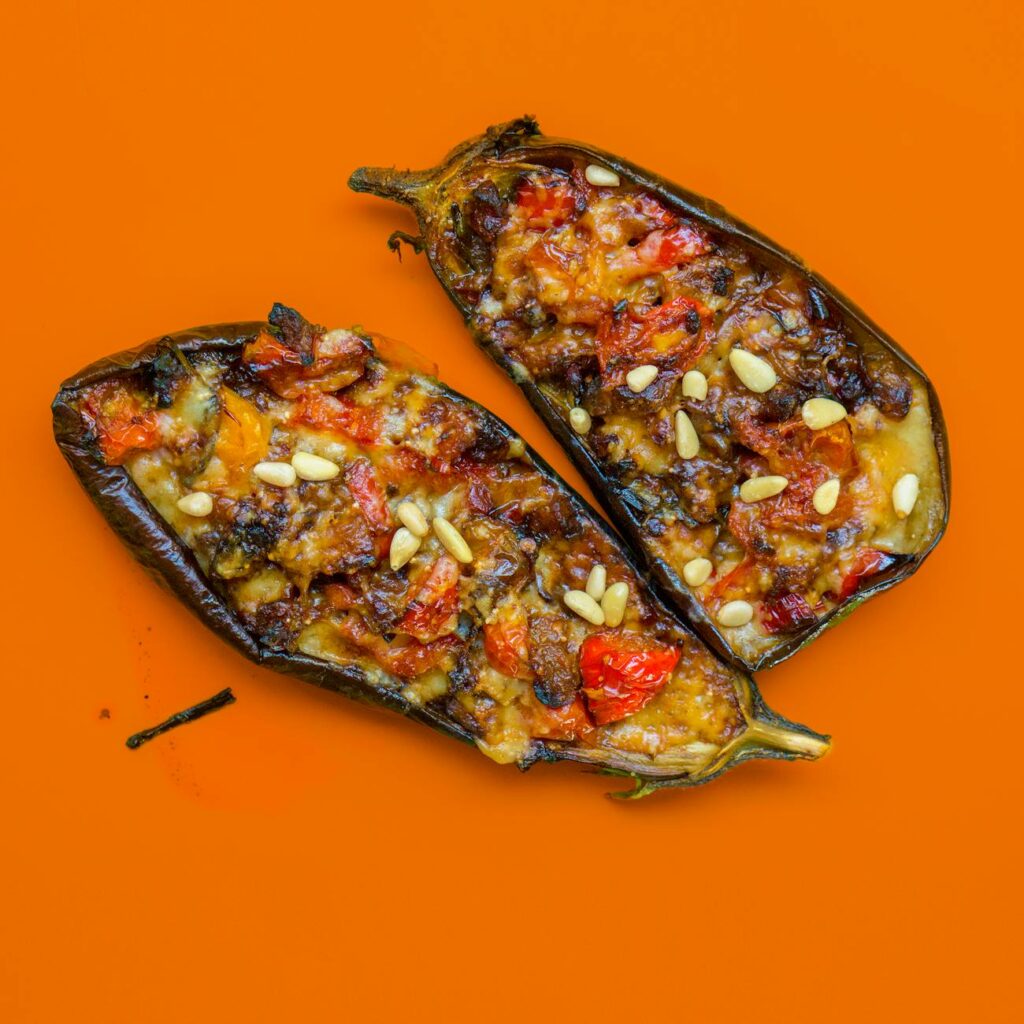
- Stuffing: Its size and shape make it ideal for stuffing with various fillings, from meats to grains.
- Refrigeration: Store eggplants in the crisper drawer of the refrigerator, where they can remain fresh for about a week.
- Avoid Ethylene Producers: Keep eggplants away from fruits such as bananas and tomatoes that produce ethylene gas, as this can cause them to ripen and spoil faster.
- Freezing: If you have an abundance of eggplants, they can be blanched and frozen for later use, although this may alter their texture.
Understanding these grading categories can help consumers select the best eggplant for their culinary needs.
Buying Considerations
When purchasing eggplant, several factors should be considered to ensure quality and freshness:
1. Appearance: Look for firm, shiny skin with no dark spots or wrinkling. The color should be vibrant and consistent.
2. Size and Shape: Choose eggplants that are proportionate and heavy for their size, indicating that they are full of moisture.
3. Seasonality: Eggplant is typically in season from late summer to early fall. Purchasing in season can enhance flavor and quality.
4. Varieties: Familiarize yourself with the different varieties available. Japanese eggplants are slender and tender, while Italian varieties are rounder and often have a more pronounced flavor.
5. Local vs. Imported: Whenever possible, opt for locally grown eggplants to ensure freshness and support local agriculture.
Uses and Applications
Eggplant is celebrated for its adaptability in various cooking techniques and cuisines. Its unique texture allows it to absorb flavors, making it a popular choice for both savory and sweet dishes. Here are some common uses:
Culinary Uses
Non-Culinary Uses
In addition to culinary applications, eggplants also have ornamental uses. Their vibrant colors and unique shapes make them popular in decorative gardens and arrangements.
Storage and Shelf Life
Proper storage is crucial to maintaining the freshness and flavor of eggplants. Here are guidelines for optimal storage:
Shelf Life
When stored properly, fresh eggplants can last up to 7 days in the refrigerator. However, once cut, their shelf life decreases significantly, and they should be used within a day or two.
Common Misconceptions
Eggplant is often surrounded by several misconceptions that can deter people from fully appreciating its culinary potential. Here are a few:
1. Eggplant is a Vegetable: While commonly used as a vegetable in cooking, eggplant is botanically a fruit.
2. Eggplant is Bitter: Older varieties of eggplant were often bitter due to higher concentrations of solanine. Modern cultivars have significantly reduced this bitterness, making them more palatable.
3. Eggplant Must Be Peeled: Many recipes suggest peeling eggplant to avoid bitterness. However, the skin is edible and can add texture and nutrients.
4. Eggplant is Difficult to Cook: While some may find eggplant challenging, its versatility allows for various cooking methods, making it easy to incorporate into meals.
Frequently Asked Questions
1. What is the best way to prepare eggplant to reduce bitterness?
While modern eggplants are less bitter, salting the slices and letting them sit for about 30 minutes can draw out moisture and any residual bitterness. Rinse and pat dry before cooking.
2. Can you eat eggplant raw?
Yes, eggplant can be eaten raw, especially smaller varieties. However, it is often cooked to enhance flavor and texture.
3. What are the health benefits of eggplant?
Eggplant is low in calories and high in fiber, making it a healthy addition to a balanced diet. It also contains antioxidants that may contribute to overall health.
4. How do I choose the right eggplant for my recipe?
Consider the size and variety based on your dish. For grilling, choose smaller varieties; for baking, larger eggplants may work better.
5. Can eggplant be frozen?
Yes, eggplant can be frozen after blanching. However, this can change its texture, making it best suited for cooked dishes post-freezing.
6. What are some common dishes that feature eggplant?
Eggplant is a key ingredient in many popular dishes, including baba ghanoush, ratatouille, and moussaka, showcasing its versatility in different cuisines.
Conclusion
Eggplant is a remarkable ingredient with a storied history and a diverse range of culinary applications. Understanding its origins, production methods, and best practices for selection and storage can elevate your cooking experience. By dispelling myths and embracing eggplant’s unique qualities, you can appreciate its role in global cuisine and enjoy its rich flavors in a variety of dishes.