
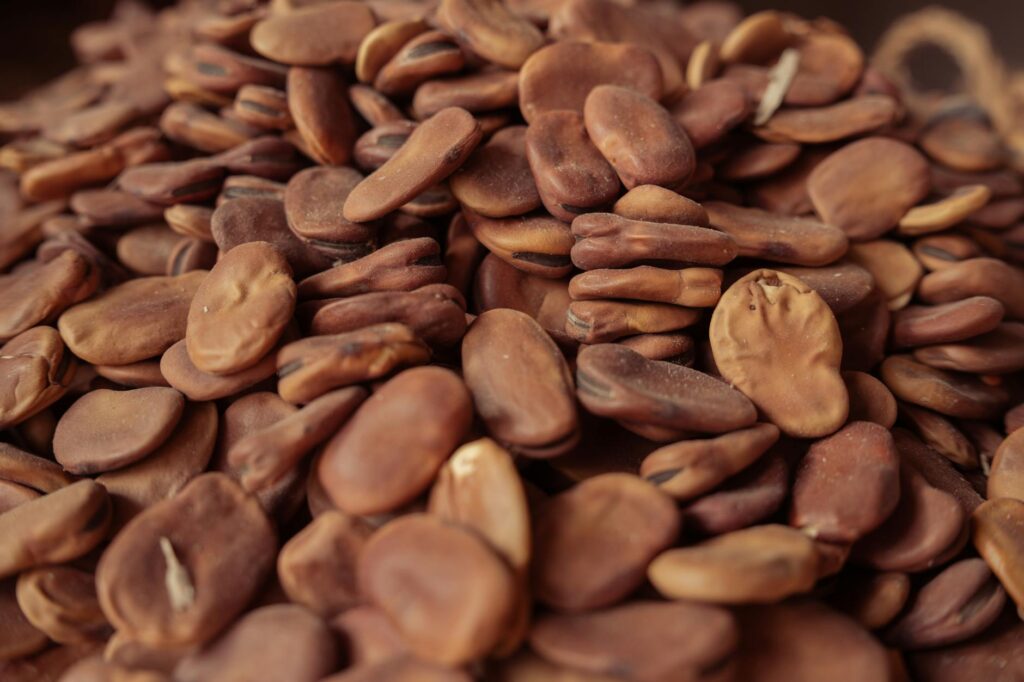
Beginner’s Guide to Fava Beans
Introduction
Fava beans, also known as broad beans, are a staple in various global cuisines, prized for their distinctive flavor, nutritional benefits, and versatility. This comprehensive guide aims to equip you with in-depth knowledge about fava beans, from their origins to their culinary applications, ensuring a well-rounded understanding of this fascinating ingredient.
What Is Guides?
In the context of food ingredients, “guides” serve as informative resources that provide detailed insights into specific items. These guides encompass a range of topics including history, production methods, quality evaluation, usage, and storage techniques. The aim is to educate chefs, home cooks, and food enthusiasts about the various aspects of an ingredient, enhancing their culinary practices and appreciation.
History and Origins
Fava beans have a rich history that traces back thousands of years. Archaeological evidence suggests that they were cultivated in the Mediterranean region as early as 6000 BCE. Ancient Egyptian tombs depict fava beans as part of their agricultural practices, while Greek and Roman cultures embraced them as a dietary staple.
The plant’s adaptability has allowed it to thrive in diverse climates, leading to its spread across Europe, Asia, and North Africa. Today, fava beans continue to be a significant crop in many countries, including Italy, Egypt, and China, where they are celebrated for their nutritional value and culinary versatility.
Production and Processing
Fava beans are typically grown in temperate climates and require well-drained soil. The plant thrives in cooler seasons, making it a popular choice for spring planting. The beans grow in large pods, and harvesting generally occurs when the pods are plump and green, usually in late spring to early summer.
Post-harvest, fava beans undergo several processing steps. Fresh beans can be shelled and consumed within days of harvest. However, for longer shelf-life, they are often dried. The drying process involves removing moisture to prevent spoilage, allowing the beans to be stored and used throughout the year. Once dried, fava beans can be stored in airtight containers in a cool, dark place.
Quality and Grading
The quality of fava beans is typically assessed based on several criteria, including size, color, and moisture content. High-quality fava beans are uniform in size and have a vibrant green color. They should be free from blemishes, mold, or any signs of insect damage.
Grading systems may vary by region, but generally, beans are categorized into premium, standard, and substandard grades. Premium beans are ideal for culinary applications due to their superior flavor and texture, while standard and substandard grades may be suitable for processed products or animal feed.
Buying Considerations
When purchasing fava beans, whether fresh or dried, several factors should be taken into account:
1. Freshness: For fresh beans, look for pods that are bright green and firm. Avoid pods that are yellowing or shriveled, as this may indicate aging.
2. Dried Beans: When selecting dried fava beans, opt for those that are whole and free from cracks. The beans should be firm and not overly brittle, indicating proper drying and storage.
3. Source: Consider purchasing from reputable suppliers or farmers’ markets. Organic options may be available and can provide assurance regarding cultivation practices.
4. Packaging: For dried beans, ensure that the packaging is intact and that there are no signs of moisture, which can lead to spoilage.
5. Sustainability: Look for sustainably sourced beans that support local farmers and environmentally friendly practices.
Uses and Applications
Fava beans are celebrated for their versatility in culinary applications. They can be used in various forms, including:
- Fresh: Fresh fava beans can be lightly blanched and added to salads, stir-fries, or served as a side dish. Their vibrant green color and tender texture make them visually appealing and palatable.
- Dried: Dried fava beans can be cooked into soups, stews, or purees. They are often ground into flour, which can be used in baking or as a thickening agent.
- Fermented: In some cultures, fava beans are fermented to create traditional dishes such as falafel or fūl medames, a popular Egyptian breakfast dish.
- Purees: Fava beans can be blended into smooth purees or dips, often enhanced with herbs or spices to create flavorful spreads.
The beans are also gaining popularity in plant-based diets as a substitute for meat due to their high protein content and creamy texture.
Storage and Shelf Life
Proper storage is crucial to maintaining the quality of fava beans. Fresh beans should be used within a few days of purchase for optimal flavor and texture. They can be stored in the refrigerator in a breathable bag, such as a paper or cloth bag, to prevent moisture buildup.
Dried fava beans, when stored correctly in airtight containers in a cool, dark place, can last for several months or even years. However, for the best taste and nutritional value, it is recommended to use them within a year of purchase. Cooked fava beans should be refrigerated and consumed within 3-5 days or frozen for longer storage.
Common Misconceptions
Despite their popularity, fava beans are often surrounded by misconceptions that can lead to confusion:
1. Fava Beans vs. Lima Beans: While both belong to the legume family, fava beans and lima beans are distinct in flavor, texture, and culinary uses. Fava beans have a creamier texture and a somewhat nutty flavor compared to the buttery taste of lima beans.
2. Allergies: Some people mistakenly believe that all legumes are interchangeable in terms of allergies. Fava beans can cause a specific type of allergic reaction known as favism, which affects individuals with a