
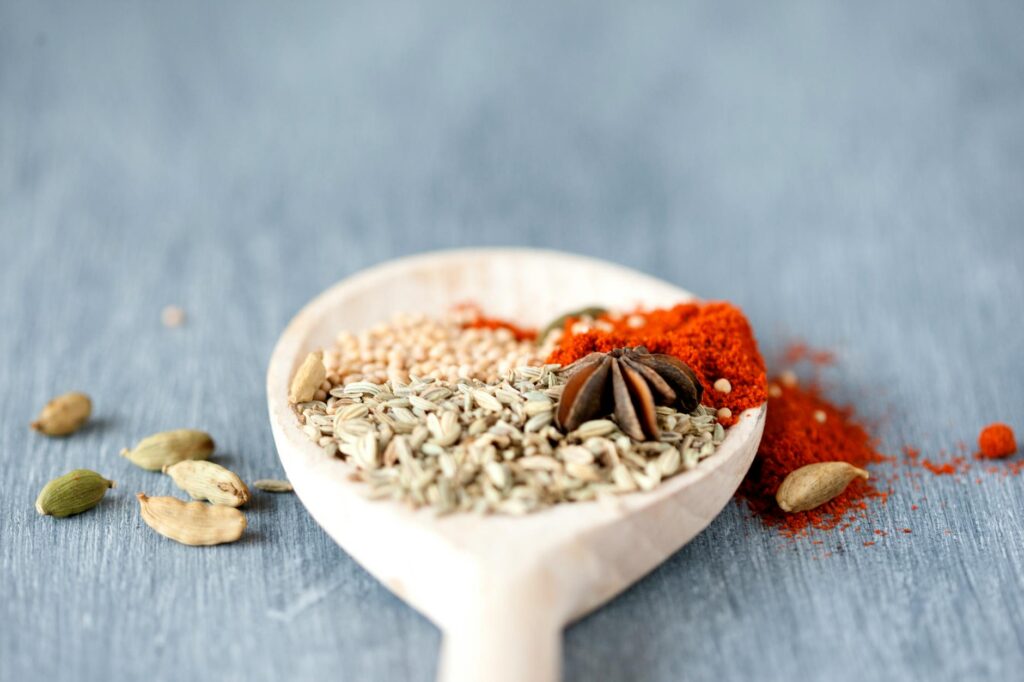
Beginner’s Guide to Fennel Sausage
Introduction
Fennel sausage is a distinctive culinary ingredient celebrated for its aromatic flavor and versatility in various dishes. This guide aims to provide a comprehensive overview of fennel sausage, including its history, production methods, and culinary applications. Whether you are an aspiring home cook or a seasoned chef, understanding this ingredient can enhance your culinary repertoire.
What Is Fennel Sausage?
Fennel sausage is a type of sausage that incorporates fennel seeds or fennel fronds as a primary flavoring agent. The use of fennel lends a unique anise-like flavor profile that distinguishes it from other types of sausage. This ingredient is commonly associated with Italian, French, and Mediterranean cuisines, but its popularity has transcended regional boundaries, finding its way into various culinary traditions worldwide.
Typically, fennel sausage is made from pork, although variations using other types of meat, such as chicken or turkey, also exist. The sausage can be found in different forms, including fresh, cured, or smoked, making it a versatile addition to numerous recipes.
History and Origins
The origins of fennel sausage can be traced back to Mediterranean cultures, where the use of herbs and spices in food preservation was commonplace. Fennel itself has been cultivated since ancient times, not only for its culinary uses but also for its medicinal properties.
Historical texts suggest that fennel was used by the ancient Greeks and Romans, who appreciated its flavorful seeds. The marriage of fennel with pork likely developed in regions where both ingredients were abundant. Fennel sausage became particularly popular in Italian cuisine, where it is often featured in regional dishes such as pasta sauces, pizzas, and as a standalone dish.
As Italian immigrants spread across the globe, they brought with them their culinary traditions, including fennel sausage. Today, it is enjoyed in various forms and preparations worldwide, becoming a staple in many kitchens.
Production and Processing
The production of fennel sausage involves several steps, beginning with the selection of high-quality meat. Traditionally, pork is the meat of choice, but other meats can also be used based on dietary preferences or culinary needs.
Steps in Production:
1. Meat Selection: High-quality cuts of meat, often shoulder or belly, are chosen for their balance of lean and fatty portions. This balance is crucial to achieving the desired texture and flavor.
2. Seasoning: Fennel seeds, either whole or crushed, are mixed with other spices such as garlic, salt, pepper, and herbs. The seasoning can vary depending on regional preferences or specific recipes.
3. Grinding: The seasoned meat is ground to a specified texture, which can range from coarse to fine, depending on the desired sausage style.
4. Stuffing: The ground meat mixture is then stuffed into natural or synthetic casings. Natural casings, often made from animal intestines, are preferred for their ability to impart flavor and texture.
5. Curing and Aging: Depending on the type of fennel sausage being produced, the sausage may undergo curing or aging. Fresh fennel sausage is typically consumed shortly after production, while cured varieties may be aged for several weeks to develop deeper flavors.
6. Cooking: Fennel sausage can be cooked in various ways, including grilling, pan-frying, or baking. The cooking method often influences the final flavor and texture.
Quality and Grading
The quality of fennel sausage is influenced by several factors, including the quality of the meat, the freshness of the spices, and the production methods used. When evaluating fennel sausage, consider the following aspects:
- Visual Appearance: High-quality fennel sausage should have a consistent color with visible flecks of fennel seeds. The casing should be intact and not overly dry or discolored.
- Aroma: Freshness is key in determining quality. The aroma should be fragrant, with a pronounced fennel scent complemented by the other spices used in the blend.
- Texture: A good fennel sausage should have a firm yet tender texture. It should not be overly greasy or dry.
- Flavor: The flavor should be balanced, with the distinct taste of fennel harmonizing with the other seasonings.
- Pasta Dishes: Fennel sausage is often used in pasta sauces, adding depth and flavor to tomato-based or cream-based sauces.
- Pizza Topping: The anise-like flavor of fennel sausage pairs wonderfully with cheeses and vegetables, making it a popular pizza topping.
- Breakfast Dishes: Cooked fennel sausage can be served with eggs, incorporated into breakfast burritos, or enjoyed as part of a hearty breakfast platter.
- Grilling: Fennel sausage is excellent for grilling, providing a flavorful option for barbecues and cookouts.
- Soups and Stews: The sausage can be added to soups and stews, imparting its distinctive flavor to the broth.
- Charcuterie Boards: Sliced fennel sausage can be a delightful addition to charcuterie boards, paired with cheeses, olives, and crusty bread.
- Refrigeration: Fresh fennel sausage should be stored in the refrigerator at or below 40°F (4°C) and consumed within 1-2 days of purchase.
- Freezing: If not used within a couple of days, fennel sausage can be frozen. Wrap it tightly in plastic wrap or aluminum foil, then place it in a freezer-safe bag. It can be stored in the freezer for up to 3 months.
- Thawing: To thaw frozen fennel sausage, place it in the refrigerator for several hours or overnight. Avoid thawing at room temperature to prevent bacterial growth.
- Cured Varieties: Cured fennel sausages have a longer shelf life and can be stored in a cool, dry place. Always check the packaging for specific storage recommendations.
- Fennel Sausage Is Just for Italian Cuisine: While it is often associated with Italian cooking, fennel sausage is versatile and can be used in many global cuisines.
- All Fennel Sausages Taste the Same: The flavor of fennel sausage can vary widely depending on the specific blend of spices and the meat used. Each producer may have their unique twist on the classic recipe.
- Fennel Sausage Is Unhealthy: Like any sausage, fennel sausage can be enjoyed in moderation as part of a balanced diet. Quality and ingredients play a significant role in its health impact.
- Only Fresh Sausage Is Worth Eating: While fresh fennel sausage is delicious, cured varieties also offer unique flavors and can be enjoyed in various applications.
Buying Considerations
When purchasing fennel sausage, there are several key considerations to ensure you select the best product for your needs:
1. Freshness: Always check the sell-by date or production date to ensure freshness. Fresh sausages should be consumed within a few days of purchase for optimal flavor.
2. Source: Consider buying from reputable butchers or artisanal producers who prioritize quality ingredients and traditional production methods.
3. Ingredients: Read labels carefully to ensure that the sausage contains natural ingredients without artificial preservatives or fillers.
4. Variety: Fennel sausage comes in various styles, such as sweet or spicy. Knowing your preference can guide your selection.
5. Packaging: Ensure that the packaging is intact and free of any tears or leaks. Vacuum-sealed packages can help maintain freshness.
Uses and Applications
Fennel sausage is a versatile ingredient that can be incorporated into a myriad of dishes. Its unique flavor complements various ingredients and cuisines. Here are some common applications:
Storage and Shelf Life
Proper storage of fennel sausage is crucial to maintain its quality and safety. Here are some guidelines:
Common Misconceptions
Despite its popularity, several misconceptions surround fennel sausage:
Frequently Asked Questions
1. What types of meat can be used in fennel sausage?
Fennel sausage is commonly made with pork, but variations using chicken, turkey, and even plant-based alternatives are also available.
2. Can I make fennel sausage at home?
Yes, making fennel sausage at home is possible and can be a rewarding experience. You can control the ingredients and flavors to suit your preferences.
3. How do I know if fennel sausage is cooked properly?
Fennel sausage should be cooked to an internal temperature of at least 160°F (71°C). A food thermometer is the best tool to ensure safety.
4. Is fennel sausage spicy?
The spice level of fennel sausage can vary. Some varieties are mild, while others may include additional spices for heat. Always check the product description or label.
5. Can I substitute fennel seeds for fresh fennel in recipes?
Yes, you can substitute fennel seeds for fresh fennel, but the flavor intensity will differ. Use a smaller amount of seeds, as they are more concentrated in flavor.
6. What are some common side dishes to serve with fennel sausage?
Fennel sausage pairs well with various sides, including roasted vegetables, mashed potatoes, polenta, or a simple green salad.
Conclusion
Fennel sausage is a culinary gem that brings a unique flavor profile to the table. Understanding its history, production methods, and applications can enhance your culinary journey. Whether adding depth to a pasta dish or serving as a star attraction on a charcuterie board, fennel sausage is an ingredient worth exploring. With the information provided in this guide, you are now better equipped to appreciate and utilize fennel sausage in your cooking adventures.