
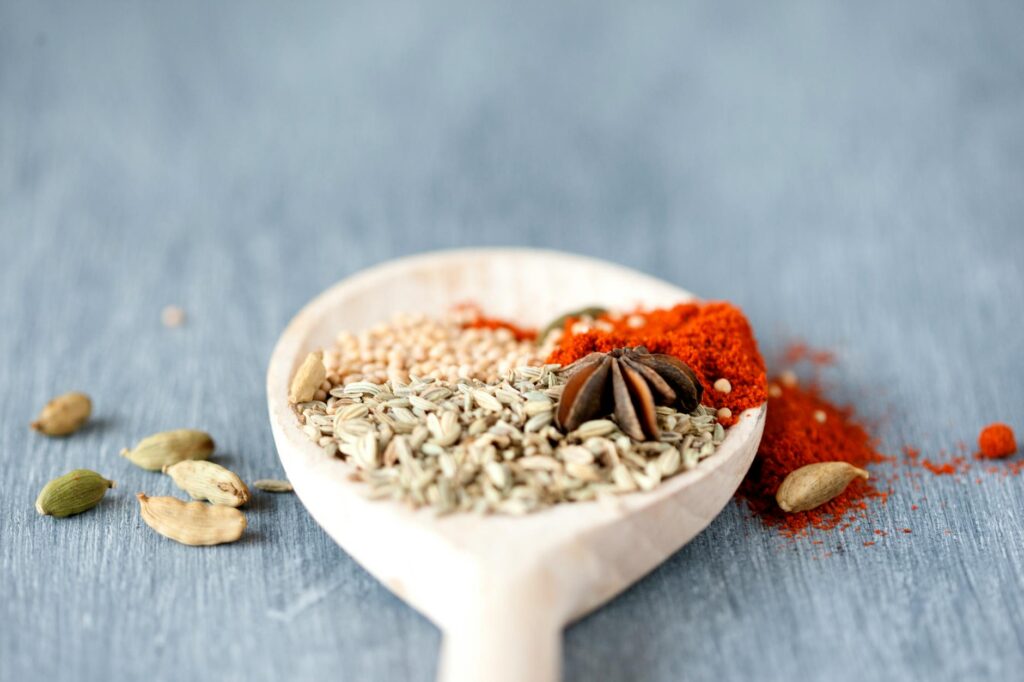
Beginner’s Guide to Fennel
Introduction
Fennel, an aromatic herb belonging to the Apiaceae family, is celebrated for its unique flavor and versatile uses in culinary traditions around the globe. With its distinct anise-like taste, fennel is not only a popular ingredient in various dishes but also serves as a vital component in traditional medicine and gastronomy. This guide aims to provide a comprehensive overview of fennel, covering its history, production, quality assessment, and diverse applications.
What Is Fennel?
Fennel (Foeniculum vulgare) is a flowering plant native to the Mediterranean region. It is characterized by its feathery leaves, bulbous base, and yellow flowers, which bloom in the late summer. Fennel is commonly classified into two main types: the bulbing variety, known for its swollen base, and the herb variety, which is primarily cultivated for its fronds and seeds. Both types are utilized in cooking, offering different textures and flavors.
Varieties of Fennel
- Florence Fennel: Also known as bulb fennel, this variety is typically grown for its edible bulb, which can be eaten raw or cooked.
- Sweet Fennel: This variant is primarily harvested for its seeds and leaves, which are used to impart flavor to various dishes.
- Fresh Use: Fresh fennel bulbs and fronds are often sold in local markets, used in salads, and as garnishes.
- Drying: Fennel seeds are often dried to extend their shelf life and intensify their flavor, making them suitable for spice blends.
- Oil Extraction: Fennel essential oil is extracted from its seeds and used for flavoring and fragrance in culinary and cosmetic applications.
- Appearance: Look for firm, unblemished bulbs with vibrant green fronds. The bulb should be compact and not show signs of wilting or browning.
- Aroma: Fresh fennel has a distinct anise-like aroma that should be strong and pleasant.
- Color: High-quality fennel seeds are typically a light green or brown color.
- Aroma: They should possess a strong, sweet fragrance, indicating freshness.
- Seasonality: Fresh fennel is typically in season from late spring to early fall. Opt for seasonal produce for optimal flavor and quality.
- Source: Consider buying from local farmers’ markets or organic farms to ensure freshness and sustainability.
- Storage Conditions: Ensure that the fennel has been stored properly to maintain its quality, particularly for fresh bulbs and fronds.
- Raw: Fresh fennel can be sliced thinly for salads or used as a crunchy addition to slaws.
- Cooked: Bulbing fennel can be roasted, grilled, or sautéed, enhancing its sweetness and flavor.
- Soups and Stews: Fennel adds depth to soups, stews, and stocks, contributing its aromatic qualities.
- Herbal Teas: Fennel seeds are often brewed into teas, offering a soothing beverage.
- Flavors and Extracts: Fennel essential oil is utilized in flavoring various products, including candies and liqueurs.
- Refrigeration: Store fresh fennel bulbs in the vegetable crisper of your refrigerator, wrapped in a damp paper towel to maintain moisture. It can last for up to a week.
- Freezing: Fennel can be blanched and frozen for long-term storage, though this may alter its texture.
- Cool, Dark Place: Store dried fennel seeds in an airtight container in a cool, dark place. They can maintain their flavor for up to six months, though they may last longer if kept in the refrigerator.
- Fennel vs. Anise: While fennel and anise share similar flavors, they are distinct plants. Anise has a more intense flavor, while fennel is milder and sweeter.
- Edibility of the Fronds: Some people believe that fennel fronds are inedible, but they are indeed edible and can be used as a garnish or herb.
- Bulb Consumption: There is a misconception that only the bulb is edible; however, both the fronds and seeds are also valuable culinary components.
History and Origins
Fennel has an extensive historical background, tracing its roots back to ancient civilizations. It was highly valued in ancient Greece and Rome for its culinary and medicinal properties. The name “fennel” is derived from the Latin word “feniculum,” which means “little hay.” It was believed to symbolize strength and was often associated with various myths and folklore.
Throughout history, fennel has been used not only in cooking but also in traditional medicine to treat ailments such as indigestion and respiratory issues. Its seeds were also employed as a spice in European cuisines, and fennel gradually spread across continents, adapting to local culinary practices.
Production and Processing
Fennel is cultivated in various regions around the world, with significant production in countries such as Italy, India, China, and the United States. The cultivation process begins with seed planting in well-drained soil under sunny conditions. Fennel prefers a Mediterranean climate, thriving in warm temperatures and moderate rainfall.
Harvesting
Harvesting fennel typically occurs in late summer to early fall, depending on the variety and local climate conditions. The bulbs are carefully harvested when they reach a desirable size, while the fronds and seeds are collected at maturity. Proper processing is crucial to maintaining the quality and flavor of fennel throughout its lifecycle.
Processing Techniques
Once harvested, fennel can undergo various processing methods, including:
Quality and Grading
The quality of fennel is determined by several factors, including freshness, size, and flavor intensity. When purchasing fennel, it is essential to evaluate the following criteria:
Fresh Fennel
Fennel Seeds
When selecting fennel seeds, consider the following:
Grading Standards
Grading standards for fennel may vary by region, but generally include classifications based on size, appearance, and flavor characteristics. These standards help ensure that consumers receive a product that meets their expectations.
Buying Considerations
When purchasing fennel, whether fresh or dried, consider the following aspects to ensure you are getting the best product:
Uses and Applications
Fennel offers a plethora of culinary applications due to its unique flavor profile. It can be utilized in various ways:
Culinary Uses
Non-Culinary Uses
Beyond the kitchen, fennel finds applications in:
Storage and Shelf Life
Proper storage is essential to maintaining the quality of fennel. Here are some guidelines:
Fresh Fennel
Dried Fennel Seeds
Common Misconceptions
Fennel is often surrounded by myths and misconceptions. Here are a few clarifications:
Frequently Asked Questions
1. Can I eat fennel raw?
Yes, fresh fennel can be eaten raw, adding a crunchy texture and anise-like flavor to salads and dishes.
2. How do I select fresh fennel?
Look for firm bulbs without blemishes and vibrant green fronds. The aroma should be strong and pleasant.
3. What are the best cooking methods for fennel?
Fennel can be roasted, sautéed, or grilled, which enhances its natural sweetness. It can also be used raw in salads.
4. How long does fennel last in the fridge?
Fresh fennel can last up to a week in the fridge if stored properly in a damp paper towel.
5. Are fennel fronds edible?
Yes, fennel fronds are edible and can be used as a garnish or in salads for added flavor.
6. What is the difference between fennel seeds and fennel bulbs?
Fennel seeds come from the plant’s flowers and are used as a spice, while fennel bulbs are the swollen base of the plant that can be cooked or eaten raw.
Conclusion
Fennel is a remarkable ingredient with a rich history and wide-ranging applications in both culinary and non-culinary contexts. Its unique flavor profile not only enhances dishes but also contributes to the aesthetic appeal of various recipes. By understanding the nuances of fennel—from its origins to its uses—you can appreciate this versatile ingredient and incorporate it into your culinary repertoire with confidence. Whether you are a novice cook or an experienced chef, fennel undoubtedly brings a distinctive touch to your kitchen.