
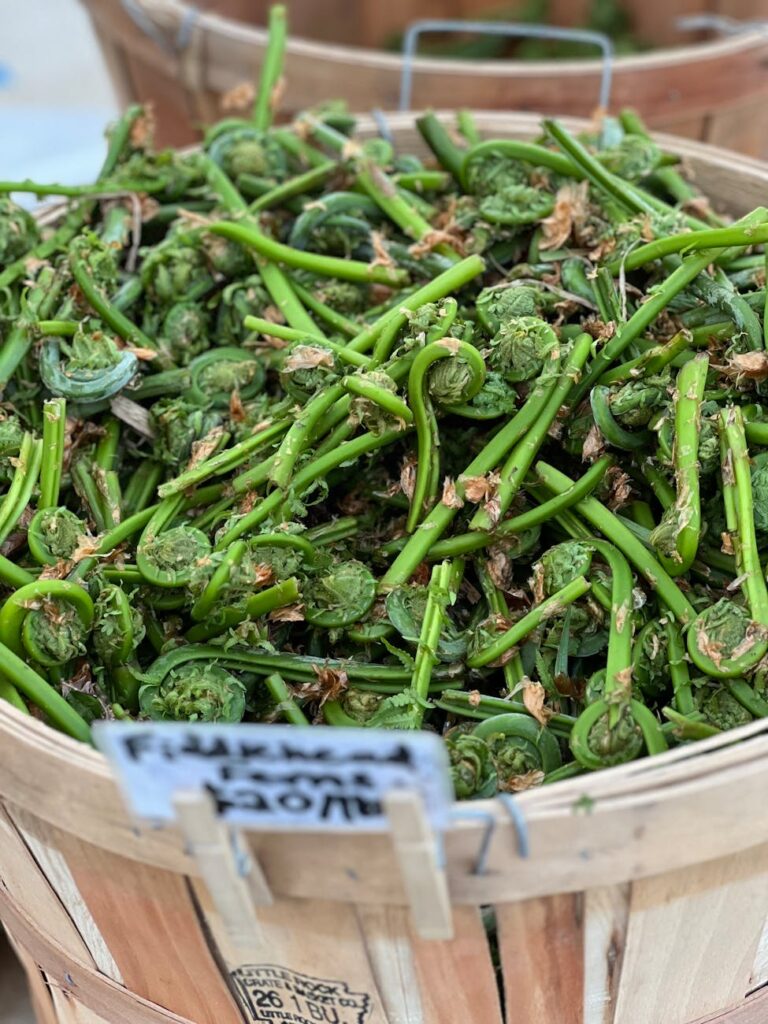
Beginner’s Guide to Fiddlehead Ferns
Introduction
Fiddlehead ferns, with their delicate, curly shapes and vibrant green color, are a seasonal delicacy celebrated in various culinary traditions around the world. These young, coiled fronds are the unopened shoots of certain fern species, primarily the ostrich fern (Matteuccia struthiopteris). Their unique flavor and texture make them a sought-after ingredient in gourmet dishes, while their fleeting availability adds to their allure. This guide will explore everything you need to know about fiddlehead ferns, from their history to their uses, ensuring you are well-equipped to appreciate this remarkable ingredient.
What Is Guides?
The term “guides” in the context of food ingredients typically refers to comprehensive resources that inform consumers and culinary enthusiasts about various aspects of a particular ingredient. A well-structured guide provides insights into the ingredient’s history, production methods, quality assessment, buying tips, culinary applications, storage recommendations, and debunks common myths. In this article, we will cover all these facets of fiddlehead ferns, enabling readers to understand and appreciate their unique characteristics fully.
History and Origins
Fiddlehead ferns have been part of human diets for centuries. Indigenous peoples in North America have gathered these ferns for millennia, appreciating their seasonal availability and nutritional benefits. The name “fiddlehead” is believed to derive from the resemblance of the coiled fern fronds to the scroll of a fiddle.
Historically, fiddlehead ferns were consumed as a wild food source, often foraged during the spring months when they first emerged. They were not only a vital part of traditional diets but also held cultural significance in various communities. The practice of foraging for fiddleheads continues today, with many chefs and food enthusiasts seeking these tender fronds as a seasonal delicacy.
In contemporary cuisine, fiddlehead ferns have gained popularity in fine dining establishments and home cooking alike, celebrated for their unique flavor profile and aesthetic appeal.
Production and Processing
Fiddlehead ferns are primarily harvested in the wild, particularly in regions with temperate climates. While there are cultivated varieties, wild harvesting remains the most common method due to the ephemeral nature of the plants. The peak season for gathering fiddleheads typically occurs from late April to early June, depending on the geographic location.
The most commonly harvested species is the ostrich fern, which grows in moist, shady areas, often near riverbanks and in forests. Foragers must be cautious, as not all ferns are edible; some varieties are toxic. Proper identification is crucial, and many experienced foragers recommend learning from knowledgeable experts or guides.
Once harvested, fiddlehead ferns require careful handling to maintain their freshness. They are usually rinsed to remove dirt and debris and can be stored in a refrigerator for a short period. However, they are best consumed soon after harvesting due to their delicate nature.
Quality and Grading
Quality assessment of fiddlehead ferns involves several factors, including appearance, texture, and freshness. High-quality fiddleheads should be tightly coiled, vibrant green, and free from browning or wilting. The fronds should feel firm to the touch, indicating that they are fresh and have not begun to deteriorate.
When purchasing fiddlehead ferns, look for those that are uniform in size and color, as consistency often indicates careful harvesting and handling. Buyers should avoid any fiddleheads that appear slimy or have a strong, unpleasant odor, as these are signs of spoilage.
In terms of grading, there is no formal system universally applied to fiddlehead ferns, but some markets may categorize them based on size or appearance. It is advisable to choose fiddleheads that are medium-sized, as they are typically more tender and flavorful than larger or smaller varieties.
Buying Considerations
When seeking fiddlehead ferns, consider the following factors to ensure a satisfactory purchase:
1. Seasonality: Fiddleheads are a seasonal ingredient, so plan your purchase during the spring months for optimal freshness.
2. Source: If possible, buy from reputable foragers or farmers’ markets that specialize in wild foraged ingredients to ensure quality and sustainability.
3. Appearance: Inspect the fiddleheads for vibrant color, firmness, and a tightly coiled shape. Avoid any that show signs of wilting or decay.
4. Storage: Understand that fiddlehead ferns have a short shelf life. Purchase only what you plan to use within a few days of buying them.
5. Sustainability: When foraging or purchasing, consider the environmental impact. Sustainable harvesting practices help preserve natural ecosystems.
6. Preparation: Be aware that fiddleheads should be cooked before consumption, as they can contain a natural toxin that is neutralized through cooking.
Uses and Applications
Fiddlehead ferns lend themselves to various culinary applications, thanks to their unique flavor and texture. They possess a mild, earthy taste reminiscent of asparagus or green beans, making them versatile in the kitchen.
1. Sautéing: Fiddleheads can be sautéed with garlic and olive oil for a simple yet delicious side dish.
2. Soups and Stews: Their tender texture makes them an excellent addition to soups and stews, providing both flavor and visual appeal.
3. Salads: Lightly blanched fiddleheads can be tossed into salads, adding a distinctive crunch and a pop of color.
4. Pickling: Fiddlehead ferns can also be pickled, preserving their flavor and allowing them to be enjoyed year-round.
5. Garnishing: Their unique shape makes them a stunning garnish for various dishes, enhancing the visual presentation.
While fiddlehead ferns are not a staple ingredient, their seasonal availability and distinctive characteristics make them a prized addition to gourmet menus around the world.
Storage and Shelf Life
Fiddlehead ferns have a relatively short shelf life, typically lasting about 5 to 7 days when stored properly. Here are some guidelines for storing fiddleheads:
- Refrigeration: Store fiddlehead ferns in a paper bag in the refrigerator to help absorb excess moisture and prevent spoilage. Avoid storing them in plastic bags, as this can lead to condensation and accelerate decay.
- Preparation: If you plan to use fiddleheads later, consider blanching them briefly in boiling water for about 1 to 2 minutes, then plunging them into ice water. This process can help preserve their color and texture, making them easier to store.
- Freezing: Fiddlehead ferns can be frozen for longer storage. After blanching, drain them well, spread them on a baking sheet to cool, and then transfer them to airtight containers or freezer bags for storage.
It is important to remember that fiddleheads should always be cooked before consumption, as this not only enhances their flavor but also ensures safety.
Common Misconceptions
Fiddlehead ferns are often surrounded by misconceptions, which can lead to confusion among consumers. Here are a few common myths:
1. All Ferns Are Edible: Not all ferns are safe to eat. Some species are toxic, making proper identification essential when foraging or purchasing fiddleheads.
2. Raw Consumption: Some believe that fiddleheads can be eaten raw, but this is untrue. Fiddleheads must be cooked to eliminate potential toxins and improve digestibility.
3. Year-Round Availability: Fiddleheads are a seasonal ingredient and are not available year-round. Their peak season varies by region, so it is essential to plan accordingly.
4. Flavor Similarity: While fiddleheads have a unique flavor, they are often compared to asparagus or green beans. However, they possess their own distinct taste that may not be fully captured by comparison.
5. Culinary Limitation: Some may think fiddlehead ferns are only suitable for specific dishes, but their versatility allows for a wide range of culinary applications.
Understanding these misconceptions can help consumers make informed decisions when purchasing and preparing fiddlehead ferns.
Frequently Asked Questions
1. Are fiddlehead ferns safe to eat?
Yes, fiddlehead ferns are safe to eat when properly cooked. It is essential to cook them thoroughly to eliminate any potential toxins.
2. How do I identify edible fiddlehead ferns?
The most commonly harvested edible fiddlehead is from the ostrich fern. Look for tightly coiled, vibrant green fronds with a smooth texture. Avoid ferns that appear fuzzy or have a brown color.
3. Can I eat fiddlehead ferns raw?
No, fiddlehead ferns should not be consumed raw. They must be cooked to neutralize natural toxins and enhance their flavor.
4. How should I store fiddlehead ferns?
Store fiddlehead ferns in a paper bag in the refrigerator, where they will last about 5 to 7 days. Alternatively, blanch and freeze them for longer storage.
5. When is the best time to buy fiddlehead ferns?
Fiddlehead ferns are typically in season from late April to early June, depending on the region. Plan your purchase during this time for the best quality.
6. Can I forage for fiddlehead ferns myself?
Yes, you can forage for fiddlehead ferns, but it is crucial to properly identify them and ensure sustainable harvesting practices. Consider learning from experienced foragers or local guides.
In conclusion, fiddlehead ferns are a remarkable ingredient with a rich history and diverse culinary applications. By understanding their origins, quality indicators, and proper storage methods, you can confidently incorporate these seasonal delicacies into your culinary repertoire. Whether enjoyed in a gourmet dish or a simple sauté, fiddlehead ferns offer a unique flavor and texture that delights food enthusiasts around the world.