
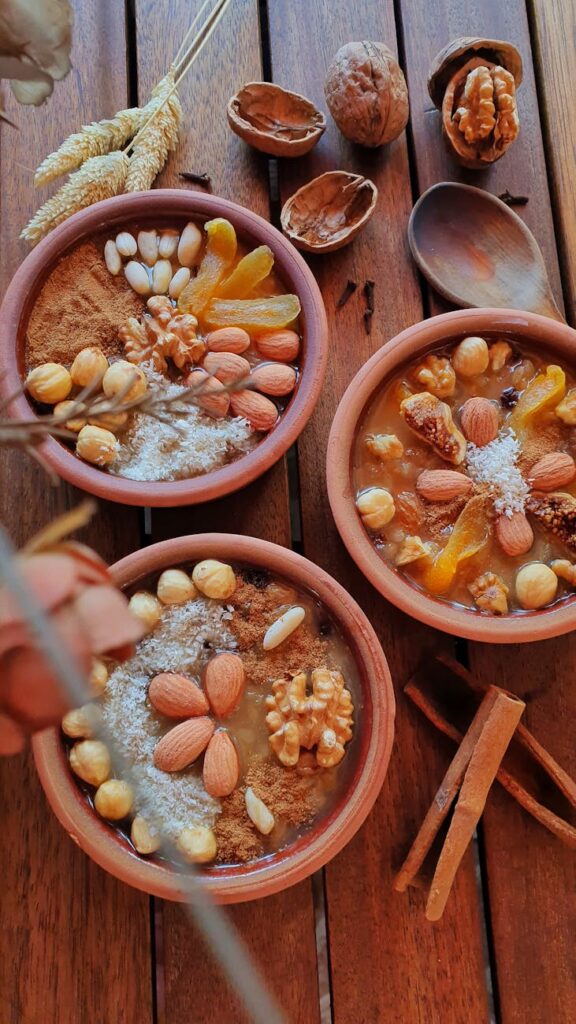
Beginner’s Guide to Hazelnuts
Introduction
Hazelnuts, with their rich flavor and versatility, have become a staple in kitchens around the world. Known for their sweet, buttery taste and crunchy texture, they are not only a beloved ingredient in confections but also a healthy addition to various culinary applications. This guide will explore everything a beginner needs to know about hazelnuts, from their origins and production to their uses and storage.
What Is Guides?
In the context of culinary ingredients, “guides” serve as comprehensive resources designed to educate consumers and chefs alike about specific components of cuisine. They offer insights into the characteristics, history, and practical applications of ingredients. The aim is to enhance understanding, foster appreciation, and inspire creativity in cooking and food preparation.
History and Origins
The history of hazelnuts dates back thousands of years, with evidence of their consumption found in archaeological sites across Europe and Asia. The earliest known cultivation of hazelnuts is believed to have occurred in the Mediterranean region, particularly in ancient Greece and Rome, where they were valued for their nutritional benefits and culinary versatility.
The name “hazelnut” is derived from the Old English word “haesel,” and the nuts themselves belong to the genus Corylus. The most commonly cultivated species is the Corylus avellana, or the European hazelnut. Over time, hazelnuts made their way to various parts of the world, including North America, where they were introduced by European settlers. Today, Turkey is the world’s largest producer of hazelnuts, followed by Italy and the United States.
Production and Processing
The cultivation of hazelnuts requires specific climatic conditions, thriving in temperate climates with well-drained soil. Hazelnut trees can take several years to yield a substantial harvest, typically producing nuts in abundance after five to seven years. The nuts grow in clusters, encased in a green husk that eventually dries and splits open when ripe.
Once harvested, hazelnuts undergo several processing steps:
1. Cleaning: After harvest, the nuts are cleaned to remove any debris or foreign materials.
2. Drying: To prevent spoilage, the nuts are dried to reduce moisture content, which can lead to mold growth.
3. Shelling: The outer shell is removed, revealing the edible kernel inside. This can be done mechanically or manually.
4. Roasting (optional): Many hazelnuts are roasted to enhance their flavor and aroma. This process can vary in duration and temperature, depending on the desired flavor profile.
5. Packaging: Finally, the nuts are packaged for sale, often in vacuum-sealed bags to maintain freshness.
Quality and Grading
The quality of hazelnuts can vary based on several factors, including variety, growing conditions, and processing methods. Grading is typically based on the size, appearance, and absence of defects. The most common grading classifications include:
- Extra Fancy: Large, whole nuts with a uniform appearance and no defects.
- Fancy: Slightly smaller than extra fancy but still whole and visually appealing.
- Standard: May include a mix of whole and broken nuts, with some surface blemishes.
- No. 2: Primarily broken or damaged nuts, usually used for oil extraction or processing.
- Confectionery: Hazelnuts are a key ingredient in many chocolates and candies, such as pralines and the famous Italian spread, Nutella.
- Baking: They can be ground into flour for gluten-free baking or used whole in cookies, cakes, and pastries.
- Savory Dishes: Finely chopped hazelnuts can add a delightful crunch to salads, roasted vegetables, or meat dishes.
- Oils and Butters: Hazelnut oil is prized for its nutty flavor and is often used in salad dressings and marinades. Hazelnut butter is a delicious alternative to traditional nut butters.
- Beverages: Hazelnuts can be infused into coffee or used to make liqueurs, such as Frangelico.
- Cool, Dry Place: Store hazelnuts in an airtight container in a cool, dry place. A pantry or cupboard away from direct sunlight is ideal.
- Refrigeration: For extended shelf life, especially in warm climates, consider refrigerating or freezing hazelnuts. Properly stored, they can last up to a year in the freezer.
- Check for Rancidity: Regularly check your hazelnuts for any off smells or flavors, which can indicate spoilage.
When purchasing hazelnuts, look for those that are plump and firm, with no signs of mold or rancidity. The packaging should be intact and free from air, as exposure to oxygen can lead to spoilage.
Buying Considerations
When buying hazelnuts, several factors should be taken into account to ensure quality and freshness:
1. Type: Hazelnuts can be found raw, roasted, whole, or chopped. Consider how you plan to use them when selecting a type.
2. Origin: Different regions produce hazelnuts with unique flavor profiles. European hazelnuts, for example, tend to be sweeter, while those from North America may have a more robust flavor.
3. Packaging: Opt for vacuum-sealed or airtight packaging to ensure the nuts remain fresh. Check expiration dates and storage conditions.
4. Organic Certification: If you prefer organic produce, look for hazelnuts labeled as organic, indicating they were grown without synthetic pesticides or fertilizers.
Uses and Applications
Hazelnuts are incredibly versatile, finding their place in both sweet and savory dishes. Here are some common applications:
Storage and Shelf Life
Proper storage is essential for maintaining the freshness and flavor of hazelnuts. Here are some tips:
Common Misconceptions
Despite their popularity, several misconceptions about hazelnuts persist:
1. Hazelnuts are Allergic-Free: While hazelnuts are nutritious, they are a common allergen. Always check for allergies before serving.
2. Raw Hazelnuts are Flavorless: Some believe raw hazelnuts lack flavor, but they have a distinct, earthy taste that can be appealing, especially in certain dishes.
3. All Hazelnuts are Created Equal: The flavor and quality can vary significantly based on region and growing conditions.
4. Roasting is Essential: While roasting enhances flavor, some dishes benefit from the milder taste of raw hazelnuts.
5. Hazelnuts are only for Sweets: Many people think hazelnuts are only for desserts; however, they can elevate savory dishes as well.
Frequently Asked Questions (6 FAQs)
1. Are hazelnuts gluten-free?
Yes, hazelnuts are naturally gluten-free, making them a suitable option for those with gluten sensitivities or celiac disease.
2. Can I eat hazelnuts raw?
Yes, raw hazelnuts can be consumed, though many people prefer them roasted for enhanced flavor.
3. How can I tell if hazelnuts have gone bad?
Spoiled hazelnuts may have an off smell, a bitter taste, or visible mold. If in doubt, it is best to discard them.
4. What is the best way to roast hazelnuts?
Roasting hazelnuts can be done in an oven at 350°F (175°C) for about 10-15 minutes. Keep a close eye on them to avoid burning.
5. Do hazelnuts need to be refrigerated?
While not necessary, refrigeration can prolong the shelf life of hazelnuts, especially in warm climates.
6. Can I substitute hazelnuts for other nuts in recipes?
Hazelnuts can often be substituted for other nuts, but be mindful of flavor differences. They have a distinct taste that may alter the overall flavor profile of your dish.
—
In summary, hazelnuts are more than just a tasty treat; they are a versatile ingredient with a rich history and numerous applications. Understanding their origins, production, and uses can enhance your culinary repertoire and appreciation for this remarkable nut. Whether you’re baking, cooking, or snacking, hazelnuts offer a delightful addition to a wide range of dishes.