
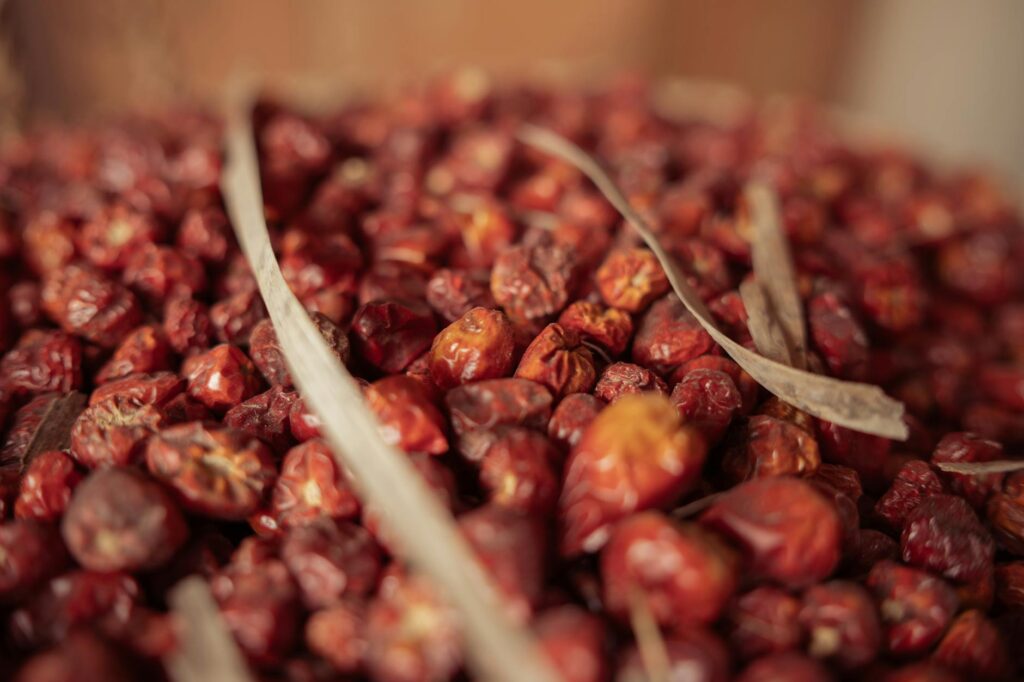
Beginner’s Guide to Jujube
Introduction
Jujube, often referred to as the Chinese date, is a fruit that has captivated culinary enthusiasts and health-conscious individuals alike. With its unique flavor profile that balances sweetness and tartness, and its versatility in both savory and sweet dishes, jujube has gained prominence in various cuisines. This guide aims to provide comprehensive insights into jujube, shedding light on its history, production, quality, and uses, making it an essential resource for anyone interested in this fascinating ingredient.
What Is Jujube?
Jujube (Ziziphus jujuba) is a deciduous shrub or small tree native to Asia, particularly China, where it has been cultivated for thousands of years. The fruit is oval-shaped, resembling a small date, and comes in various colors ranging from green to dark brown when ripe. Jujubes are typically harvested in late summer to early fall and can be eaten fresh, dried, or processed into various products.
The flavor of fresh jujubes is often described as crisp and sweet, while dried jujubes exhibit a chewy texture and a deeper caramel-like sweetness. Their popularity extends beyond culinary uses, as they are also regarded for their nutritional value and potential health benefits.
History and Origins
Jujube’s history traces back over 4,000 years to ancient China, where it was first cultivated for its edible fruit and medicinal properties. Historical texts indicate that jujube trees were planted in the gardens of emperors, highlighting their esteemed status in Chinese culture. The fruit was not only a staple food but also used in traditional medicine, believed to promote health and longevity.
From China, jujube spread to other parts of Asia, including Korea, Japan, and India, and eventually made its way to the Middle East and Mediterranean regions. Today, jujube is cultivated in many countries, including the United States, where it is grown primarily in California. Its adaptability to various climates has contributed to its global presence.
Production and Processing
The production of jujube requires specific climatic conditions, thriving best in warm, temperate regions with well-drained soil. The cultivation process begins with selecting high-quality seeds or saplings, which are planted in the spring. Jujube trees are relatively low-maintenance, needing minimal irrigation and pest control, making them an attractive option for farmers.
Once harvested, jujubes can be consumed fresh or undergo various processing methods. Fresh jujubes are often enjoyed as a snack or added to salads, while dried jujubes are popular in many Asian cuisines, used in sweet soups, teas, and traditional desserts. Processing may also include making jujube syrup, jams, or even wine, showcasing the fruit’s versatility.
Quality and Grading
Quality grading of jujube is essential for both producers and consumers, ensuring that the fruit meets specific standards for taste, texture, and appearance. Fresh jujubes should be firm, plump, and free from blemishes or soft spots. The color can range from green to a deep reddish-brown, depending on the variety and ripeness.
Dried jujubes, on the other hand, are typically evaluated based on their moisture content, texture, and flavor. High-quality dried jujubes should be chewy, with a rich, sweet flavor and minimal sugar additives. When purchasing jujubes, consumers are encouraged to check for certifications or labels that indicate quality standards, particularly if they are sourcing from international markets.
Buying Considerations
When looking to purchase jujube, several factors come into play to ensure you select the best product for your needs:
- Fresh vs. Dried: Determine whether you want fresh jujubes for immediate consumption or dried jujubes for longer storage and versatility in cooking.
- Source: Choose locally sourced jujubes when possible to ensure freshness and support local agriculture. If buying imported jujubes, consider reputable brands that adhere to quality standards.
- Variety: Familiarize yourself with different varieties of jujube, as they can vary significantly in flavor and texture. Popular varieties include ‘Li’, ‘Shanxi Li’, and ‘Honey Jujube’.
- Packaging: For dried jujubes, inspect the packaging for signs of moisture and damage. Airtight packaging is preferred to retain freshness.
- Price: While fresh jujubes may vary in price depending on the season, dried jujubes are generally more consistent in price. Compare prices across different retailers to find the best value.
- Soups and Broths: Dried jujubes are commonly added to soups and broths for a natural sweetness and depth of flavor.
- Teas: Jujube tea is a popular beverage, often enjoyed for its soothing properties and unique taste.
- Desserts: Jujubes can be incorporated into desserts, such as puddings, cakes, and sweet pastries.
- Savory Dishes: Fresh jujubes can add a delightful crunch and sweetness to salads, stir-fries, and grain bowls.
- Fresh Jujubes: Store fresh jujubes in the refrigerator, where they can last for about one to two weeks. It is advisable to keep them in a breathable bag to prevent moisture buildup, which can lead to spoilage.
- Dried Jujubes: D
Uses and Applications
Jujube’s versatility makes it a valuable ingredient in various culinary applications. In Asian cuisines, jujubes are often used in:
Beyond culinary uses, jujube also finds its place in traditional practices, where it is valued for its potential to enhance flavors and add nutritional benefits to meals.
Storage and Shelf Life
Proper storage of jujubes is crucial to maintain their quality and extend their shelf life. Here are some guidelines for both fresh and dried jujubes: