
Beginner’s Guide to Kaleidoscope Pepper
Introduction
Kaleidoscope pepper, a vibrant addition to the world of spices, is gaining recognition for its unique flavor profile and aesthetic appeal. As culinary enthusiasts seek to elevate their dishes, understanding the nuances of kaleidoscope pepper becomes essential. This guide delves into the intricate details of this remarkable ingredient, including its history, production, quality assessment, and practical applications in the kitchen.
What Is Kaleidoscope Pepper?
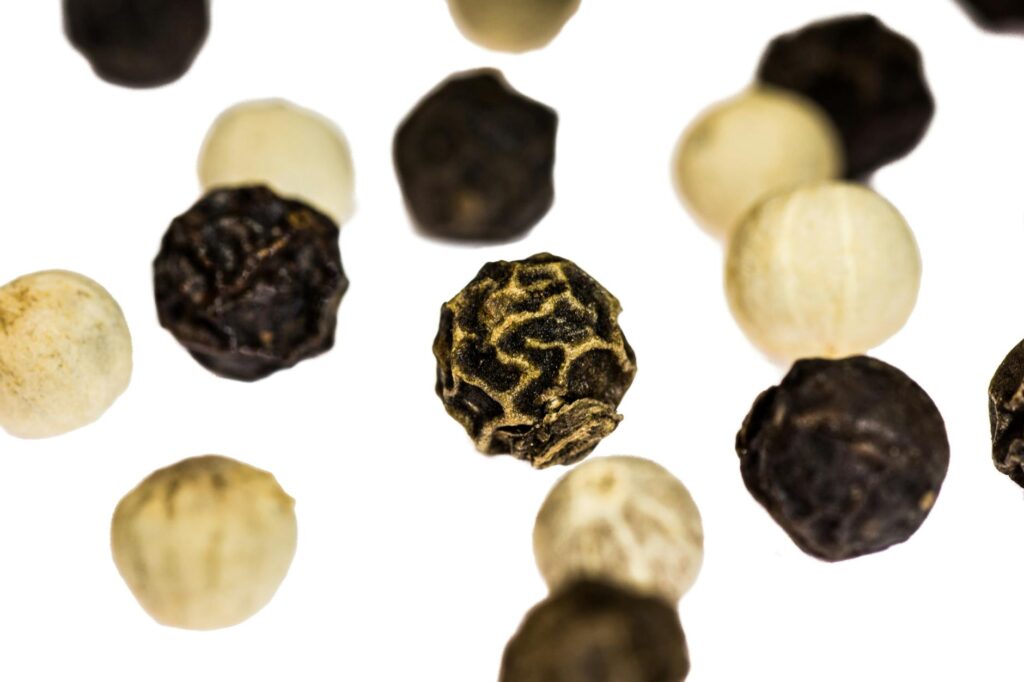
Kaleidoscope pepper is a visually stunning blend of peppercorns, typically featuring a mix of colors such as red, pink, green, and black. This mélange not only captivates the eye but also offers a complex flavor profile. The blend is crafted from various pepper species, including black, white, pink, and green peppercorns, each contributing distinct characteristics to the overall taste.
The name “kaleidoscope” aptly describes the colorful assortment of peppercorns and evokes a sense of curiosity and excitement in culinary exploration. This pepper is often used as a finishing touch, enhancing both the presentation and flavor of dishes.
History and Origins
The origins of kaleidoscope pepper can be traced back to the diverse regions where its constituent peppercorns are cultivated. Black pepper (Piper nigrum), known as the “king of spices,” is native to South India and has been a staple in trade and cuisine for centuries. Pink pepper (Schinus molle) originates from South America and is often mistakenly associated with true peppercorns due to its similar appearance.
The blending of different pepper types to create kaleidoscope pepper is a relatively modern culinary innovation, reflecting contemporary trends in gastronomy that favor visual appeal and layered flavors. As global cuisine evolves, kaleidoscope pepper has emerged as a versatile ingredient that caters to diverse culinary traditions.
Production and Processing
The production of kaleidoscope pepper begins with the harvesting of its individual components. Each type of peppercorn is harvested at different stages of ripeness, impacting its flavor and color.
1. Black Pepper: Harvested when the berries are still green, black peppercorns are then cooked and dried, resulting in their characteristic dark color and pungent flavor.
2. White Pepper: This variety is produced by soaking ripe berries to remove the outer skin, leaving behind the inner seed, which is then dried.
3. Green Pepper: Typically harvested unripe, these berries are either freeze-dried or brined to preserve their bright color and fresh flavor.
4. Pink Pepper: While not a true pepper, pink peppercorns are harvested from the Peruvian or Brazilian pepper tree. They are dried to maintain their rosy hue and sweet, fruity flavor.
The blending process involves carefully selecting and mixing these different peppercorns in precise ratios to create kaleidoscope pepper. The result is a product that not only excites the palate but also presents beautifully on the plate.
Quality and Grading
The quality of kaleidoscope pepper is determined by several factors, including the quality of its individual components, the balance of flavors, and the visual appeal of the blend. Grading systems for pepper typically consider:
- Size and Shape: Uniformity in size ensures even cooking and presentation.
- Color: A vibrant mix of colors indicates freshness and quality.
- Aroma: A strong, fragrant aroma signifies the presence of essential oils, which enhances flavor.
- Taste: A well-balanced blend should offer a harmonious interplay of heat, sweetness, and aromatic notes.
- Garnishing: Sprinkle over salads, soups, and meats to add a pop of color and a burst of flavor.
- Seasoning: Use as a seasoning in marinades, dressings, and sauces. The complexity of flavors can elevate simple dishes to gourmet experiences.
- Infusion: Create flavored oils or vinegars by infusing kaleidoscope pepper, which can then be used in dressings or as a dip.
- Cooking: Incorporate into rubs for meats or vegetables, allowing the flavors to meld during cooking.
- Store in a Cool, Dark Place: Keep the pepper in a pantry or cupboard away from direct sunlight and heat sources. Exposure to light and heat can diminish flavor and aroma.
- Airtight Containers: Use airtight containers to prevent moisture from entering, which can lead to clumping and spoilage.
- Avoid Humidity: Humidity can adversely affect the quality of spices. Ensure that the storage area is dry.
When purchasing kaleidoscope pepper, consumers should look for reputable brands that provide information on sourcing and processing methods. High-quality kaleidoscope pepper will have a robust flavor profile and a pleasing appearance.
Buying Considerations
When seeking to purchase kaleidoscope pepper, several factors should be taken into account:
1. Source: Opt for brands that source their peppercorns from regions known for high-quality production. This ensures that the spices are authentic and flavorful.
2. Packaging: Look for products packaged in airtight containers to maintain freshness. Clear glass jars are ideal as they allow consumers to inspect the color and quality.
3. Organic Certification: If possible, choose organic kaleidoscope pepper. Organic cultivation typically avoids synthetic pesticides and fertilizers, resulting in a more natural flavor.
4. Freshness: Check the production date on the packaging. Freshly harvested and processed peppercorns will yield the best flavor.
5. Price: While price can be indicative of quality, it is essential to strike a balance between affordability and premium quality. Higher prices do not always guarantee superior flavor, so research and reviews can be beneficial.
Uses and Applications
Kaleidoscope pepper is a versatile spice that can enhance a wide variety of dishes. Its striking appearance makes it a favored choice for finishing dishes, where both flavor and presentation are key. Here are some common applications:
The unique combination of flavors from the different peppercorns allows kaleidoscope pepper to complement both savory and sweet dishes, making it a staple in diverse cuisines.
Storage and Shelf Life
To maintain the quality of kaleidoscope pepper, proper storage is crucial. Here are some best practices:
When stored correctly, kaleidoscope pepper can retain its quality for up to two years. However, for optimal flavor, it is recommended to use it within six months of opening.
Common Misconceptions
Despite its popularity, several misconceptions surround kaleidoscope pepper:
1. All Peppercorns Are the Same: Many believe that all peppercorns offer the same flavor. In reality, each type of peppercorn contributes its unique taste and aroma to kaleidoscope pepper.
2. Kaleidoscope Pepper Is Just a Marketing Gimmick: While its visual appeal is a significant selling point, the blend is crafted with careful consideration of flavor and aroma, making it a legitimate culinary ingredient.
3. Kaleidoscope Pepper Is Only for Show: Some may think it’s primarily decorative. However, its multifaceted flavor profile enhances dishes in meaningful ways.
4. It Has a Single Flavor Profile: The complexity of kaleidoscope pepper means it can exhibit a range of flavors, from sweet and fruity to spicy and pungent, making it a dynamic ingredient.
5. It Can Replace All Types of Pepper: While it can substitute for other types of pepper, the unique flavor blend of kaleidoscope pepper may not work in every context.
Frequently Asked Questions
1. What are the main components of kaleidoscope pepper?
Kaleidoscope pepper is primarily composed of black, white, green, and pink peppercorns, each contributing unique flavors and colors.
2. How should I use kaleidoscope pepper in cooking?
Kaleidoscope pepper can be used as a seasoning, garnish, or in marinades. Its visual appeal makes it ideal for finishing dishes.
3. Is kaleidoscope pepper spicy?
The spiciness of kaleidoscope pepper varies based on the ratio of its components. Generally, it offers a balanced heat that complements its fruity and aromatic notes.
4. Can I use kaleidoscope pepper in baking?
Yes, kaleidoscope pepper can be used in baking to add a unique flavor twist, particularly in savory baked goods or as a finishing touch on sweet items like chocolate desserts.
5. Are there health benefits associated with kaleidoscope pepper?
While kaleidoscope pepper enhances flavor, it does not function as a medicinal ingredient. Its primary role is culinary.
6. Where can I find high-quality kaleidoscope pepper?
High-quality kaleidoscope pepper can be found in specialty spice shops, gourmet grocery stores, and online retailers that focus on premium spices.
In conclusion, kaleidoscope pepper is a dynamic and visually appealing ingredient that offers both flavor and aesthetic value to culinary creations. Understanding its origins, production methods, and applications can help elevate your cooking, making it a worthy addition to any kitchen. As you embark on your culinary journey with kaleidoscope pepper, remember to appreciate not just its beauty but also the rich tapestry of flavors it brings to your dishes.