
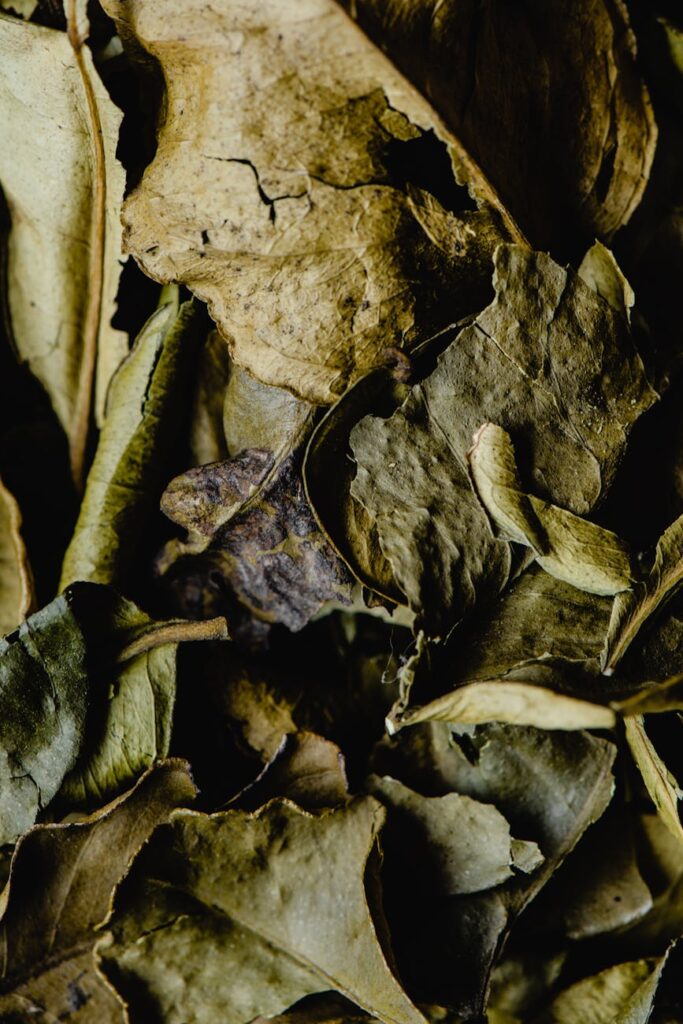
Beginner’s Guide to Kefir Lime Leaves
Introduction
Kefir lime leaves, also known as kaffir lime leaves, are a revered ingredient in Southeast Asian cuisine. Their distinct aroma and flavor profile elevates a variety of dishes, from soups to curries, providing a unique zest that is both refreshing and complex. This guide aims to offer a comprehensive understanding of kefir lime leaves, covering their history, production, uses, and more. Whether you are a culinary novice or an experienced chef, this article will deepen your appreciation for this versatile ingredient.
What Is Guides?
In the context of food ingredients, “guides” serve as comprehensive resources that educate readers about specific culinary components. These guides typically cover various aspects, including the ingredient’s history, production methods, quality assessments, purchasing tips, culinary applications, and storage recommendations. They aim to empower chefs, home cooks, and food enthusiasts with the knowledge needed to make informed decisions about using ingredients in their culinary endeavors.
History and Origins
Kefir lime, scientifically known as Citrus hystrix, is native to Southeast Asia, particularly in regions such as Thailand, Malaysia, and Indonesia. The tree thrives in tropical climates and is commonly found in gardens and backyards, where it flourishes due to its adaptability to various soil conditions.
The leaves have been used for centuries in traditional Southeast Asian cooking, often regarded as a staple in Thai cuisine. They are integral to dishes such as Tom Yum soup and green curry, offering a fragrant and citrusy note that complements spicy flavors. Beyond culinary uses, the fruit and leaves of the kefir lime tree have also been utilized in traditional medicine, perfumes, and cosmetics, showcasing their multifaceted applications.
Production and Processing
Kefir lime leaves are harvested from the evergreen tree, which can reach up to 4 meters in height. The leaves are characterized by their vibrant green color, glossy texture, and distinctive double-lobed shape. The best time to harvest these leaves is during the dry season when they are most flavorful.
After harvesting, the leaves can be used fresh or dried. Fresh leaves are often preferred for their robust aroma, while dried leaves offer a more concentrated flavor. The drying process typically involves air-drying or using dehydrators, and proper handling is crucial to preserve their essential oils and flavor compounds. Care must be taken to store them in airtight containers to prevent moisture absorption and loss of flavor.
Quality and Grading
The quality of kefir lime leaves can significantly impact the final dish. When evaluating the leaves, look for the following characteristics:
1. Color: Fresh leaves should be vibrant green, free from yellowing or browning.
2. Texture: The leaves should be glossy and firm, indicating freshness.
3. Aroma: A strong, citrusy fragrance is a hallmark of high-quality kefir lime leaves.
4. Size: Generally, younger leaves are more aromatic, while older leaves may be tougher and less flavorful.
In terms of grading, fresh leaves are often categorized based on their size and quality. Higher grades are typically reserved for culinary use, while lower grades may be used in extracts or for non-culinary applications.
Buying Considerations
When purchasing kefir lime leaves, there are several factors to consider to ensure you select the best quality:
- Fresh vs. Dried: Fresh leaves are typically more aromatic, but dried leaves can be convenient for long-term storage. If opting for dried leaves, check the packaging for the harvest date to ensure freshness.
- Source: Whenever possible, buy from reputable suppliers or local markets that specialize in Southeast Asian ingredients. Organic options may also be available.
- Whole vs. Ground: Whole leaves retain their flavor better than ground leaves, which can lose potency over time.
- Storage Conditions: Ensure that the leaves are stored in conditions that prevent exposure to light and moisture, which can degrade their quality.
- Soups and Broths: The leaves are often added whole to soups and broths, imparting a fragrant citrus flavor that enhances the overall taste of the dish.
- Curries: They are a staple in many Thai curries, where they contribute a refreshing note that balances the richness of coconut milk and spices.
- Marinades: Chopped or torn leaves can be used in marinades for meats and seafood, elevating the flavor profile with their unique aroma.
- Rice Dishes: Infusing rice with kefir lime leaves during cooking can add a subtle depth of flavor.
- Salads: Finely shredded leaves can be incorporated into salads for an added layer of flavor.
- Fresh Leaves: Store fresh kefir lime leaves in a plastic bag or airtight container in the refrigerator. They can last up to two weeks when stored properly.
- Dried Leaves: Dried kefir lime leaves should be kept in a cool, dark place, away from moisture. When stored in an airtight container, they can last for up to a year or more, although their flavor may diminish over time.
Uses and Applications
Kefir lime leaves are celebrated for their versatility in various culinary applications. Here are some common uses:
Beyond culinary uses, kefir lime leaves are also employed in traditional herbal remedies and as natural air fresheners, highlighting their aromatic properties.
Storage and Shelf Life
Proper storage is essential to maintain the quality and flavor of kefir lime leaves. Here are some guidelines:
For both fresh and dried leaves, it’s advisable to label containers with the date of purchase to keep track of their freshness.
Common Misconceptions
Despite their popularity, there are several misconceptions surrounding kefir lime leaves:
1. Kefir lime leaves and regular lime leaves are the same: While they share a citrus family, kefir lime leaves have a unique flavor profile that is distinct from regular lime leaves.