
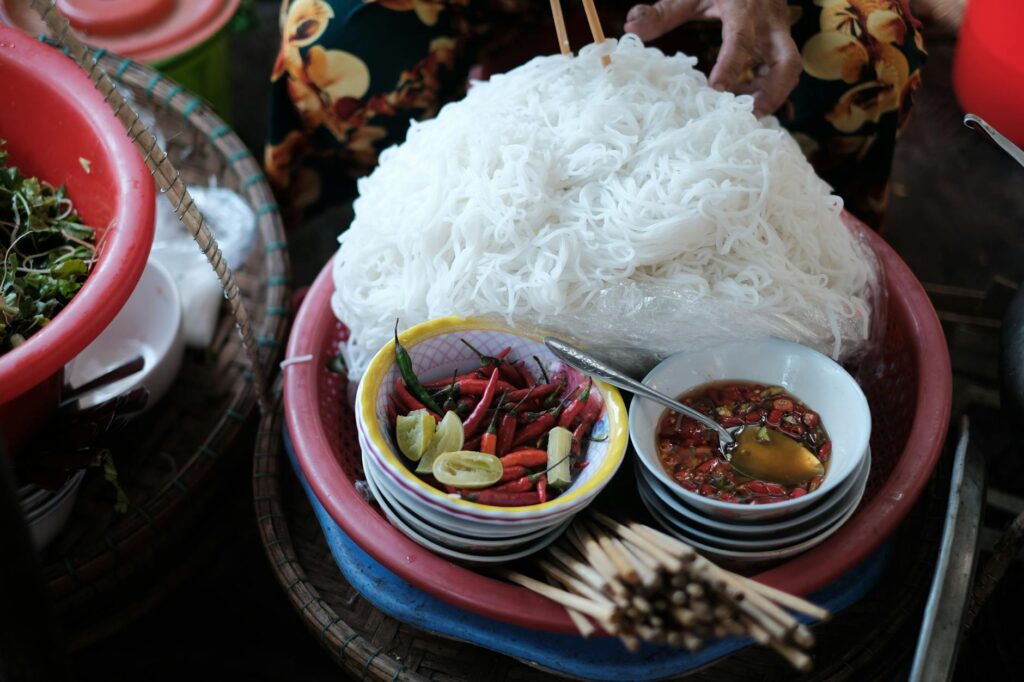
Beginner’s Guide to Kelp Noodles
Introduction
Kelp noodles are a unique and versatile ingredient that have gained popularity in various culinary circles, particularly among health enthusiasts and those following plant-based diets. Made from the edible kelp seaweed, these noodles offer a distinct texture and nutritional benefits, making them an innovative alternative to traditional pasta. This guide will explore the multifaceted world of kelp noodles, from their origins and production to their uses and storage.
What Is Kelp Noodles?
Kelp noodles are thin, translucent strands made from a type of edible seaweed known as kelp, specifically from the species Laminaria. Unlike conventional noodles made from wheat or rice, kelp noodles are gluten-free and low in calories, making them a popular choice for those seeking healthier alternatives. Rich in minerals and dietary fiber, they provide a unique textural experience that can complement a wide array of dishes.
History and Origins
The use of kelp dates back centuries in various coastal cultures around the world. In Asian cuisine, particularly in Japan and Korea, kelp has been utilized for its nutritional value and flavor-enhancing properties. Kelp noodles, as we know them today, have emerged more recently, gaining traction in Western health food circles in the early 21st century. The rising interest in plant-based diets and gluten-free options has contributed significantly to their popularity, aligning with broader trends towards healthier eating.
Production and Processing
The production of kelp noodles begins with the harvesting of kelp from underwater farms or wild seaweed beds. The most commonly used species for noodle production is Laminaria japonica, known for its robust structure and high nutritional content. The kelp is thoroughly washed to remove any sand or impurities and then processed into noodles through a series of steps, including:
1. Blanching: The kelp is briefly blanched in hot water to soften it, making it easier to manipulate.
2. Cutting: After blanching, the kelp is cut into thin strands, resembling traditional noodles.
3. Preserving: The noodles are then preserved, often in a saltwater solution, to maintain freshness and extend shelf life.
4. Packaging: Finally, the noodles are packaged in airtight containers to prevent spoilage and retain quality.
The entire process emphasizes minimal intervention to maintain the natural flavors and nutrients of the kelp.
Quality and Grading
When selecting kelp noodles, quality can vary significantly based on several factors:
- Source: Kelp harvested from clean, unpolluted waters tends to have better quality. Sustainable farming practices are also a key indicator of high-quality kelp.
- Texture: High-quality kelp noodles should be firm yet pliable, with a smooth surface. They should not be overly slimy or mushy.
- Color: Opt for noodles that are a vibrant green or light brown, indicative of their freshness. Dull colors may suggest age or poor quality.
- Ingredients: Check the ingredient list for additives. Authentic kelp noodles should primarily contain kelp and water, with minimal preservatives.
- Salads: Their crunchy texture makes them an excellent addition to salads, providing a unique twist to traditional greens.
- Stir-fries: Kelp noodles can easily be incorporated into stir-fry dishes, absorbing flavors from sauces and vegetables.
- Soups: These noodles can be added to soups and broths, offering a nutritious alternative to traditional noodles.
- Cold Dishes: Serve them chilled in salads or cold noodle dishes, where their texture shines alongside fresh vegetables and dressings.
- Raw Dishes: Kelp noodles are often used in raw food recipes, as they do not require cooking and retain their nutritional benefits.
- Unopened Packages: Store unopened packages in a cool, dry place, away from direct sunlight. They can last for several months to a year, depending on the packaging.
- Opened Packages: After opening, transfer the noodles to an airtight container and refrigerate to maintain freshness. Consume them within one to two weeks for optimal quality.
- Freezing: While not commonly recommended, some users choose to freeze kelp noodles for extended storage. This may alter the texture, so it’s best to experiment if you plan to use them in cooked dishes.
Quality grading can be subjective, but reputable brands often provide information about their sourcing and processing methods, which can help consumers make informed choices.
Buying Considerations
When purchasing kelp noodles, consider the following factors:
1. Packaging: Look for vacuum-sealed or airtight packaging to ensure freshness. Avoid packages that show signs of damage or leakage.
2. Brand Reputation: Choose products from brands known for their commitment to quality and sustainability. Reading customer reviews can provide insight into the product’s performance.
3. Nutritional Information: Familiarize yourself with the nutritional content, especially if you are looking to incorporate kelp noodles into a specific diet.
4. Availability: Kelp noodles can typically be found in health food stores, Asian supermarkets, and online marketplaces. Availability may vary by region.
5. Shelf Life: Check the expiration date on the package. Fresh kelp noodles have a relatively long shelf life but should be consumed within a specific timeframe once opened.
Uses and Applications
Kelp noodles are incredibly versatile and can be utilized in a variety of culinary applications:
The possibilities are endless, making kelp noodles a valuable ingredient for home cooks and professional chefs alike.
Storage and Shelf Life
Kelp noodles typically have a long shelf life when stored properly. Here are some storage tips:
Always refer to the packaging for specific storage instructions and expiration dates to ensure the best quality.
Common Misconceptions
Kelp noodles are often surrounded by misconceptions, which can lead to confusion among consumers. Here are some clarifications:
1. Kelp Noodles Are Not Seaweed: While kelp noodles are made from kelp, they are not the same as eating seaweed directly. The processing transforms the kelp into a noodle form.
2. Taste: Many believe kelp noodles have a strong seaweed flavor; however, they are relatively neutral in taste, allowing them to absorb the flavors of accompanying ingredients.
3. Texture: Some assume that kelp noodles will have a slimy texture akin to some seaweed dishes. In reality, when prepared correctly, they provide a satisfying crunch.
4. Nutritional Benefits: There is a misconception that kelp noodles lack nutritional value. In fact, they are rich in vitamins, minerals, and dietary fiber, making them a nutritious addition to meals.
5. Cooking Required: Many people think kelp noodles must be cooked before consumption. They can be eaten raw, making them a convenient ingredient for quick meals.
6. Gluten-Free Claims: While kelp noodles are naturally gluten-free, always check the label for potential cross-contamination if you have gluten sensitivities.
Frequently Asked Questions
1. Are kelp noodles healthy?
Kelp noodles are low in calories and carbohydrates, making them an excellent option for those looking to reduce caloric intake. They are also rich in essential minerals, such as iodine, calcium, and magnesium.
2. How do I prepare kelp noodles?
Kelp noodles require minimal preparation. Rinse them under cold water, and they are ready to use in salads, stir-fries, or soups. Some prefer to soak them briefly to soften the texture.
3. Can I cook kelp noodles?
Yes, kelp noodles can be cooked, though they are often enjoyed raw. Cooking them briefly in boiling water or adding them to hot dishes can enhance their texture.
4. Where can I buy kelp noodles?
Kelp noodles are available at health food stores, Asian supermarkets, and online retailers. Look for brands that prioritize quality and sustainability.
5. How long do kelp noodles last?
Unopened kelp noodles can last several months to a year. Once opened, they should be consumed within one to two weeks if refrigerated.
6. Are there any allergens associated with kelp noodles?
Kelp noodles are generally safe for most individuals; however, those with seafood allergies should consult with a healthcare professional, as kelp is a type of seaweed.
Conclusion
Kelp noodles represent a fascinating intersection of culinary tradition and modern dietary trends. Their unique properties make them a versatile ingredient that can enhance a variety of dishes while providing nutritional benefits. Understanding their origins, production, and applications can empower consumers to make informed choices about incorporating this seaweed-based noodle into their diets. As the demand for healthier, gluten-free options continues to rise, kelp noodles are poised to become a staple in kitchens around the world.