
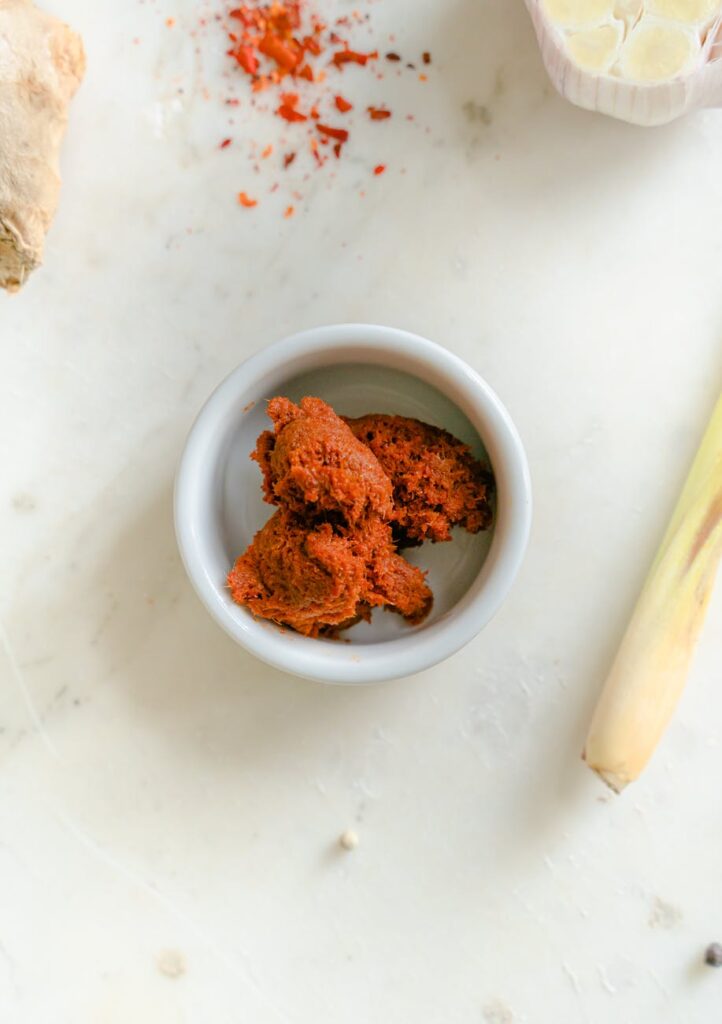
Beginner’s Guide to Lemongrass
Introduction
Lemongrass, with its bright citrus aroma and unique flavor profile, has become a staple ingredient in various cuisines worldwide. This versatile herb not only enhances culinary dishes but also offers a range of applications in beverages, beauty products, and even aromatherapy. For those who are new to this fragrant ingredient, this guide will provide a comprehensive overview of lemongrass, exploring its history, production methods, quality grading, and much more.
What Are Guides?
Guides serve as essential resources for individuals seeking to deepen their understanding of specific ingredients. In the context of lemongrass, guides highlight the herb’s characteristics, preparation methods, and potential uses. By providing this information, we aim to equip both novice cooks and seasoned chefs with knowledge that enhances their culinary endeavors. Whether you aim to integrate lemongrass into your cooking or simply wish to appreciate its properties, this guide will serve as a valuable reference.
History and Origins
Lemongrass, scientifically known as Cymbopogon citratus, is native to tropical regions of Asia, particularly in countries such as India, Thailand, and Vietnam. Its culinary use can be traced back several centuries, where it has played an integral role in Asian cuisine, particularly in Thai and Vietnamese dishes. Historically, lemongrass has also been employed in traditional medicine and rituals, showcasing its importance beyond mere culinary applications.
The herb’s name derives from its lemon-scented leaves, which have long been appreciated for their aromatic qualities. As trade routes expanded, so did the use of lemongrass, eventually reaching other parts of the world, including Africa and the Americas. Today, lemongrass is cultivated in various regions, and its popularity continues to grow, making it a prominent ingredient in global cuisine.
Production and Processing
Lemongrass thrives in warm, humid climates and requires well-drained soil to flourish. The plant can grow up to 3 to 4 feet tall, featuring long, slender leaves that are typically harvested for culinary use. The harvesting process is crucial; it involves cutting the stalks at the base to ensure the highest quality.
Once harvested, lemongrass can be processed in several ways. For fresh consumption, the stalks are often trimmed and cleaned to remove any dirt or debris. In addition to fresh stalks, lemongrass can be dried or ground into a powder, which extends its shelf life and makes it easier to incorporate into various dishes.
Lemongrass essential oil is another byproduct of the plant, extracted through steam distillation. This oil is utilized in aromatherapy and cosmetic products, highlighting the herb’s versatility beyond culinary applications.
Quality and Grading
The quality of lemongrass is primarily determined by its freshness, aroma, and flavor profile. Fresh lemongrass should exhibit a vibrant green color, firm stalks, and a strong lemon scent. When evaluating dried or powdered lemongrass, look for a bright yellow-green hue and a fragrant aroma, which indicate its potency and flavor retention.
Grading systems for lemongrass can vary, but generally, higher grades are assigned to products with superior aroma, flavor, and overall quality. Some suppliers may also provide information on the origin and cultivation practices, which can further influence a consumer’s choice.
Buying Considerations
When purchasing lemongrass, consider several factors to ensure you select the best quality:
1. Freshness: Opt for fresh stalks that are firm and vibrant. Avoid any that appear wilted or discolored.
2. Form: Lemongrass is available in various forms, including fresh, dried, and powdered. Choose the form that aligns with your intended use.
3. Source: If possible, purchase lemongrass from reputable suppliers or local farmers’ markets, where you can often find fresher options.
4. Organic vs. Conventional: Depending on your preferences, consider whether you want organic lemongrass. Organic varieties are grown without synthetic pesticides or fertilizers.
5. Storage Conditions: Ask about storage conditions to ensure that you are buying lemongrass that has been kept in optimal conditions to maintain its quality.
Uses and Applications
Lemongrass is renowned for its versatility in both culinary and non-culinary applications. Here are some notable uses:
Culinary Uses
1. Flavoring Agent: In cooking, lemongrass is often used to flavor soups, curries, and stir-fries. Its bright, citrusy notes complement a variety of ingredients, particularly seafood and poultry.
2. Infusions: Lemongrass can be steeped in water to create aromatic teas or added to cocktails for a refreshing twist.
3. Marinades: It serves as an excellent base for marinades, imparting a unique flavor to meats and vegetables.
Non-Culinary Uses
1. Aromatherapy: Lemongrass essential oil is popular in aromatherapy for its uplifting scent, often used in diffusers or added to bath products.
2. Cosmetics: Due to its antibacterial properties, lemongrass is also found in various beauty products, including soaps and skincare items.
3. Insect Repellent: The oil derived from lemongrass is often used in natural insect repellents due to its ability to deter pests.
Storage and Shelf Life
Proper storage is essential for maintaining the quality of lemongrass. Here are some guidelines:
Fresh Lemongrass
- Refrigeration: Store fresh lemongrass stalks in the refrigerator, wrapped in a damp paper towel and placed in a plastic bag. This can help retain moisture and freshness. Under optimal conditions, fresh lemongrass can last for up to two weeks.
- Cool, Dry Place: Dried lemongrass should be stored in an airtight container in a cool, dry place away from direct sunlight. This can help preserve its flavor and aroma for several months.
- Freezing: For long-term storage, fresh lemongrass can be chopped and frozen in ice cube trays with water. Once frozen, transfer the cubes to a freezer bag for easy use in cooking.
Dried or Powdered Lemongrass
Frozen Lemongrass
Common Misconceptions
There are several misconceptions surrounding lemongrass that can lead to confusion among consumers:
1. Lemongrass vs. Lemon Verbena: Many people confuse lemongrass with lemon verbena. While both have lemony scents, they are different plants with distinct flavors and uses.
2. Culinary vs. Medicinal: While lemongrass is often lauded for its health benefits in traditional medicine, it is primarily a culinary herb. It’s important to focus on its culinary applications unless specified otherwise.
3. Freshness in Dried Form: It is a common belief that dried lemongrass can replicate the freshness of its raw counterpart. However, while dried lemongrass can be convenient, it lacks the same potency and aroma as fresh stalks.
Frequently Asked Questions
1. How do I prepare fresh lemongrass for cooking?
To prepare fresh lemongrass, trim the tough ends and remove any outer layers that may be dry or discolored. You can either use the stalk whole or chop it into smaller pieces, depending on your recipe.
2. Can I use dried lemongrass instead of fresh?
Yes, you can substitute dried lemongrass for fresh, but the flavor will be less intense. A general guideline is to use about one-third the amount of dried lemongrass as you would fresh.
3. What is the best way to store fresh lemongrass?
Wrap fresh lemongrass in a damp paper towel, place it in a plastic bag, and store it in the refrigerator. This helps maintain its moisture and freshness.
4. Is lemongrass available year-round?
Yes, lemongrass is typically available year-round in many grocery stores, especially those that specialize in Asian ingredients.
5. Can I grow lemongrass at home?
Absolutely! Lemongrass is relatively easy to grow in a garden or even in pots. It requires warm temperatures, plenty of sunlight, and well-drained soil.
6. What are some common substitutes for lemongrass?
If you do not have lemongrass, some substitutes include lemon zest, lime zest, or a combination of lemon juice and ginger, although these will not replicate the exact flavor profile.
By understanding the multifaceted nature of lemongrass, from its origins to its various applications, you can appreciate this ingredient not only as a flavor enhancer but as a versatile herb that adds depth to culinary experiences. Whether you’re a beginner or a seasoned cook, lemongrass offers an exciting avenue for exploration in the kitchen.