
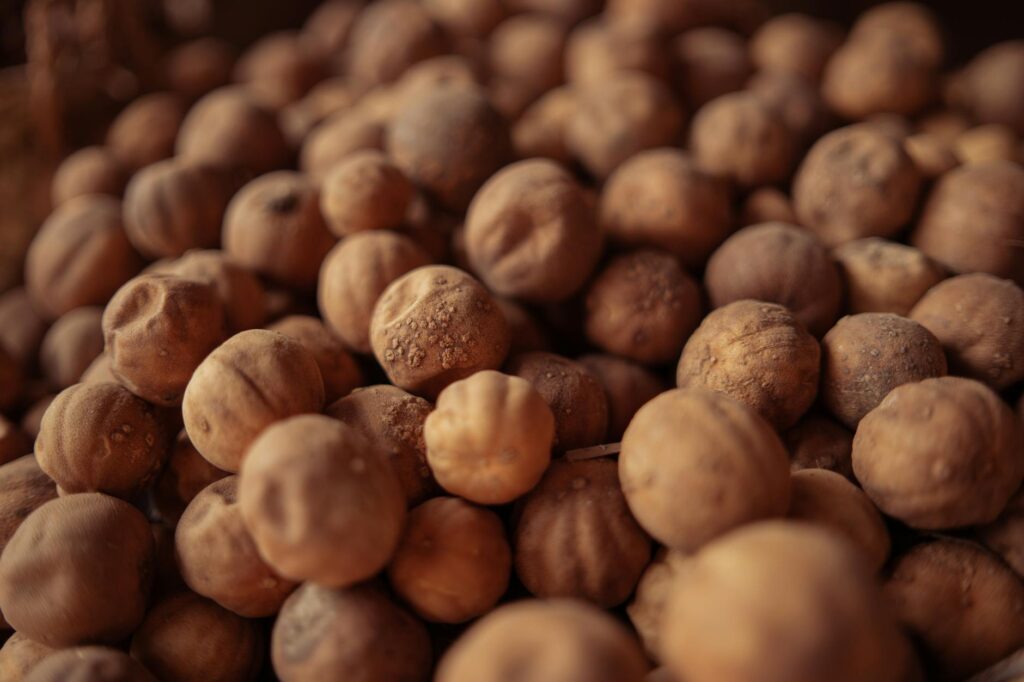
Beginner’s Guide to Lemons
Introduction
Lemons, with their vibrant yellow hue and tangy flavor, are one of the most versatile and widely used fruits in the culinary world. From enhancing dishes to providing essential flavor in beverages, these citrus fruits hold a prominent place in kitchens around the globe. This guide aims to provide an in-depth understanding of lemons, encompassing their history, production, quality, uses, and storage, while addressing common misconceptions and frequently asked questions.
What Is Guides?
In the context of culinary ingredients, a “guide” serves as a comprehensive resource that outlines essential information regarding a specific item, enhancing the knowledge of chefs, home cooks, and food enthusiasts alike. Guides delve into the various aspects of an ingredient, including its characteristics, sourcing, processing, and applications. This structured approach helps individuals make informed decisions when selecting, using, and storing ingredients, thereby elevating their culinary experience.
History and Origins
Lemons (Citrus limon) have a rich history that dates back thousands of years. It is believed that they originated in Southeast Asia, particularly in regions of India, China, and Malaysia. Historical records suggest that lemons were cultivated in ancient Persia and were later introduced to Europe during the Middle Ages. By the 15th century, lemons were being grown in Mediterranean countries, where they quickly gained popularity for both culinary and medicinal uses.
The fruit was transported to the Americas by Spanish explorers in the 16th century, marking the beginning of its global spread. Over time, various cultivars emerged, each with unique characteristics and flavor profiles, contributing to the diverse lemon varieties we enjoy today.
Production and Processing
Lemon production is a significant agricultural industry, primarily concentrated in countries with warm climates. The top producers of lemons include the United States, Mexico, Argentina, Spain, and Italy. The cultivation process begins with the planting of lemon trees, which thrive in well-drained soil and require ample sunlight and water.
Harvesting typically occurs when the fruit reaches its peak ripeness, characterized by its bright yellow color and firm texture. Once harvested, lemons undergo a series of processing steps to ensure they meet quality standards. This may include washing, sorting, and packing for distribution. Some lemons are also processed into juice, zest, or essential oils, each with its own market demand.
Quality and Grading
The quality of lemons can significantly impact their taste, aroma, and overall culinary application. When assessing lemons, several factors come into play:
- Color: High-quality lemons exhibit a bright, even yellow color. Avoid fruits with green patches, which may indicate they were harvested prematurely.
- Texture: Firmness is key. A good lemon should feel heavy for its size and have a smooth, slightly shiny skin. Avoid lemons with soft spots or blemishes, as these may indicate overripeness or decay.
- Aroma: Fresh lemons emit a strong citrus aroma, indicative of their essential oils. A lack of scent can suggest that the fruit is past its prime.
- Culinary Enhancements: Lemons add brightness and acidity to dishes, balancing flavors in savory and sweet preparations alike. They can be used in marinades, dressings, and sauces, or simply squeezed over vegetables or seafood.
- Beverages: Fresh lemon juice is a staple in a variety of drinks, from lemonade to cocktails. The zest can also be infused in teas and spirits, imparting a refreshing citrus note.
- Preservation: The acidity of lemons makes them an effective preservative. Lemon juice is commonly used to prevent browning in fruits and vegetables, as well as to enhance the shelf life of various products.
- Aromatics: The essential oils derived from lemon peel are utilized in perfumes, cleaning products, and aromatherapy, valued for their invigorating scent and natural antibacterial properties.
- Cultural Significance: In some cultures, lemons symbolize purity and cleanliness, often used in rituals or traditional remedies.
- Countertop Storage: If you plan to use lemons within a week, they can be stored at room temperature on the countertop. Keep them in a cool, dry place away from direct sunlight.
- Refrigeration: For longer storage, place lemons in the refrigerator
Lemons are often graded based on size, color, and overall quality. The USDA categorizes lemons into grades such as U.S. Fancy, U.S. No. 1, and U.S. No. 2, each having specific criteria regarding appearance and condition.
Buying Considerations
When purchasing lemons, several factors should be considered to ensure you select the best quality fruit:
1. Variety: Familiarize yourself with different lemon varieties, such as Eureka, Lisbon, and Meyer lemons. Each has distinct flavors and uses; for example, Meyer lemons are sweeter and less acidic, making them ideal for desserts and marinades.
2. Origin: Consider the source of the lemons. Locally grown fruits are often fresher and may have a lower environmental impact due to reduced transportation needs.
3. Seasonality: Lemons are typically available year-round, but peak seasons vary by region. In the United States, lemons are most abundant from winter through spring.
4. Organic vs. Conventional: Decide whether you prefer organic lemons, which are grown without synthetic pesticides or fertilizers. Organic lemons may have a more robust flavor and are often considered more environmentally friendly.
5. Storage Conditions: Inspect lemons for signs of damage or decay. If possible, choose fruits that have been stored in cool, dry conditions to ensure freshness.
Uses and Applications
Lemons are celebrated for their multifaceted applications in both culinary and non-culinary contexts. Their primary uses include:
Storage and Shelf Life
Proper storage of lemons is essential to maintain their quality and prolong their shelf life. Here are some best practices: