
Beginner’s Guide to Mango
Introduction
The mango, often hailed as the “king of fruits,” is celebrated for its sweetness, vibrant color, and versatility. Its rich flavor and succulent texture have made it a staple in numerous culinary traditions across the globe. This guide aims to provide a comprehensive overview of mangoes, discussing their history, production, quality grading, and more, making it an essential resource for anyone interested in this beloved fruit.
What Is Guides?
In the context of food ingredients, “guides” serve as detailed references that offer insights into various aspects of specific ingredients. They encompass everything from the history and production methods to culinary applications and storage recommendations. These guides are designed to educate consumers, chefs, and food enthusiasts alike, enabling them to make informed decisions when selecting and using ingredients. The Beginner’s Guide to Mango is one such resource, detailing the multifaceted nature of this tropical fruit.
History and Origins
Mangoes (Mangifera indica) have a rich history that dates back over 4,000 years. Believed to be native to South Asia, particularly the region encompassing modern-day India, Bangladesh, and Myanmar, mangoes have long been associated with various cultural and religious traditions. Ancient texts reference mangoes as symbols of love and fertility, and they were often included in royal gardens.
The spread of mangoes beyond their native region began with trade routes, particularly during the age of exploration. By the 10th century, mangoes made their way to the Middle East, and by the 15th century, they reached Africa. The introduction of mangoes to the Americas occurred in the 18th century, primarily through the efforts of Spanish and Portuguese explorers.
Today, mangoes are cultivated in tropical and subtropical regions worldwide, with India remaining the largest producer, followed by countries such as China, Thailand, and Mexico. Each region contributes unique varieties, flavors, and uses, enriching the global culinary landscape.
Production and Processing
Mango cultivation requires a warm climate, well-drained soil, and ample sunlight. The trees thrive in tropical and subtropical regions, where temperatures remain consistently warm. Major mango-producing countries utilize both traditional and modern agricultural methods to maximize yield and maintain quality.
Harvesting typically occurs when mangoes reach maturity, characterized by a change in color and firmness. While some mangoes ripen off the tree, they should be picked at the appropriate stage to ensure optimal flavor and texture upon ripening. After harvesting, mangoes undergo several processing steps, including washing, grading, and packing.
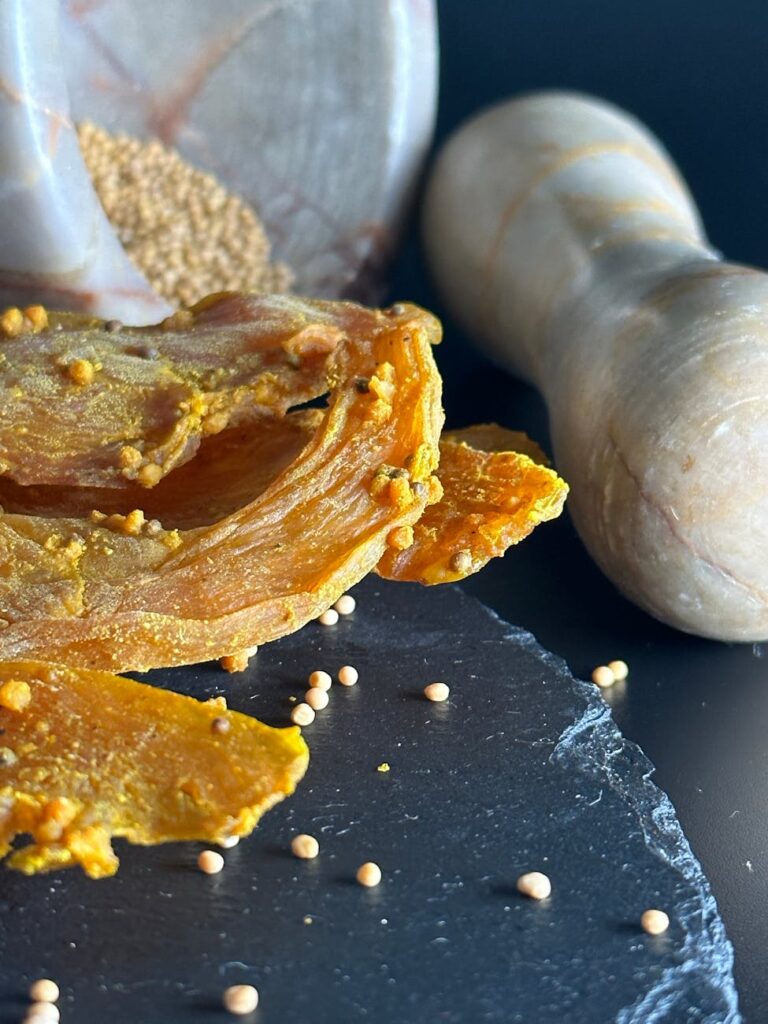
In many regions, mangoes are processed into various products, such as dried mango, juice, purée, and chutney. These products extend the fruit’s shelf life and make it accessible for year-round consumption.
Quality and Grading
Quality control is crucial in the mango supply chain, as consumers expect fruit that is fresh, flavorful, and visually appealing. Mangoes are typically graded based on criteria such as size, color, firmness, and the absence of blemishes or defects.
Grading systems may vary by region, but common classifications include:
1. Grade A: These mangoes are of the highest quality, featuring a vibrant color, uniform size, and no significant blemishes.
2. Grade B: While still acceptable for consumption, Grade B mangoes may have minor imperfections and variations in size and color.
3. Grade C: These mangoes may show signs of over-ripeness or damage but can still be used in cooking or processing.
Understanding these grading systems can help consumers select the best mangoes for their needs, whether for immediate consumption or for culinary applications.
Buying Considerations
When purchasing mangoes, several factors should be taken into account to ensure the best quality and flavor:
1. Variety: Familiarize yourself with different mango varieties, as each has its unique flavor profile, size, and texture. Popular varieties include Alphonso, Haden, Tommy Atkins, and Kent.
2. Ripeness: A ripe mango should yield slightly to pressure when gently squeezed. Look for a pleasant aroma near the stem end, which indicates ripeness. Avoid mangoes with dark spots or an overly mushy texture.
3. Color: While color varies by variety, a generally vibrant hue indicates ripeness. However, some varieties may remain green even when ripe.
4. Seasonality: Mangoes have specific growing seasons depending on the region. In the Northern Hemisphere, peak mango season typically runs from late spring to early summer.
5. Sourcing: Consider buying locally sourced mangoes when possible. This supports local farmers and ensures fresher fruit.
Uses and Applications
Mangoes are incredibly versatile and can be used in a variety of culinary applications. Their rich flavor profile makes them suitable for both savory and sweet dishes. Here are some common uses:
1. Fresh Consumption: Mangoes can be enjoyed fresh, sliced, or cubed. They make an excellent addition to fruit salads, smoothies, or simply as a snack.
2. Salsas and Chutneys: Mangoes are often used in salsas and chutneys, providing a sweet contrast to spicy or savory dishes. They pair well with ingredients like cilantro, lime, and chili.
3. Desserts: The sweetness of mangoes makes them ideal for desserts. They can be used in tarts, ice creams, or puddings, or simply served with yogurt.
4. Beverages: Mango juice and smoothies are popular refreshments, particularly in tropical regions. Mango purée is also used in cocktails and mocktails.
5. Savory Dishes: In many cultures, mangoes are incorporated into savory dishes, such as curries or rice dishes, where their sweetness balances spicy flavors.
Storage and Shelf Life
Proper storage of mangoes is essential to maximize their shelf life and maintain quality. Here are some guidelines:
1. Ripening: If mangoes are not fully ripe, store them at room temperature until they reach the desired ripeness. Once ripe, they should be consumed within a few days for optimal flavor.
2. Refrigeration: Ripe mangoes can be refrigerated to extend their shelf life. However, prolonged exposure to cold temperatures may affect their texture and flavor.
3. Cut Mangoes: Once cut, mangoes should be stored in an airtight container in the refrigerator and consumed within 1-2 days to prevent spoilage.
4. Freezing: For long-term storage, mangoes can be peeled, diced, and frozen. This method preserves their flavor and texture, making them ideal for smoothies and cooking.
Common Misconceptions
Despite their popularity, several misconceptions about mangoes persist:
1. Mangoes Are All the Same: Many believe that all mangoes taste the same, but there is a wide variety of mangoes, each with distinct flavors, textures, and uses.
2. Ripeness Is Only About Color: While color is an indicator of ripeness, it is not the only factor. Firmness and aroma are equally important when determining if a mango is ripe.
3. Mangoes Are Always Sweet: Some varieties of mangoes may have a more tart flavor, depending on their ripeness and the specific cultivar.
4. Mango Skin Is Toxic: While some people may be allergic to mango skin, it is not inherently toxic. The skin contains beneficial nutrients but can cause irritation for those with sensitivities.
5. Eating Mangoes Causes Acne: This is a common myth. While diet can influence skin health, mangoes themselves do not directly cause acne.
Frequently Asked Questions
1. How can I tell if a mango is ripe?
A ripe mango will yield slightly to gentle pressure, have a fragrant aroma near the stem, and exhibit vibrant color, though this can vary by variety.
2. What are the health benefits of mangoes?
Mangoes are rich in vitamins A and C, dietary fiber, and antioxidants. They are low in calories and provide various nutrients, contributing to overall health.
3. Can mangoes be eaten with the skin on?
Yes, mango skin is edible, but it may cause irritation for some individuals due to its natural compounds. If you are sensitive, it’s best to peel the mango before consumption.
4. How do I ripen a mango quickly?
To hasten the ripening process, place mangoes in a paper bag at room temperature. Ethylene gas produced by the fruit will speed up ripening.
5. Are there different types of mangoes?
Yes, there are numerous mango varieties, each with unique flavors, textures, and colors. Popular varieties include Alphonso, Haden, Tommy Atkins, and Kent.
6. How can I store cut mangoes?
Store cut mangoes in an airtight container in the refrigerator. They should be consumed within 1-2 days for the best quality.
—
Understanding the rich history, diverse uses, and storage techniques of mangoes enhances appreciation for this extraordinary fruit. With this beginner’s guide, you can confidently explore the world of mangoes, whether enjoying them fresh or incorporating them into your culinary adventures.