
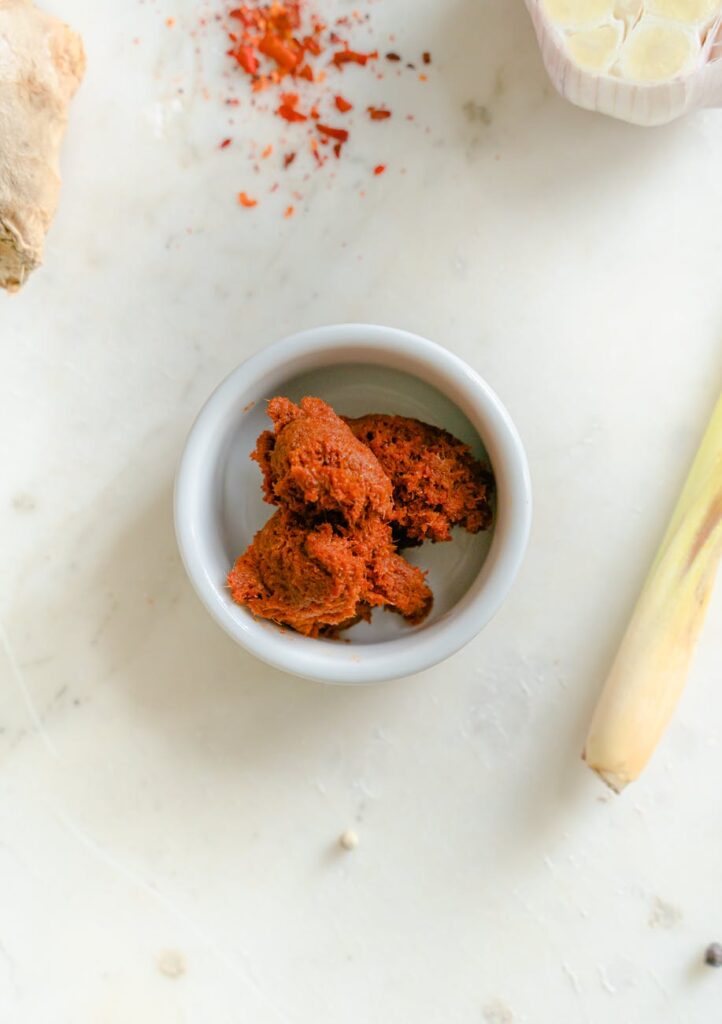
Beginner’s Guide to Miso
Introduction
Miso, a traditional Japanese ingredient, has gained global recognition for its umami-rich flavor and versatility in various culinary applications. This fermented soybean paste is not only a staple in Japanese cuisine but also a rising star in the culinary world, celebrated for its complexity and depth. This guide aims to provide a comprehensive overview of miso, covering its history, production methods, quality grading, and much more, making it an invaluable resource for anyone interested in exploring this remarkable ingredient.
What Is Miso?
Miso is a fermented paste made primarily from soybeans, salt, and a fermenting agent known as koji, which is derived from the fungus Aspergillus oryzae. The fermentation process transforms the raw ingredients into a rich, flavorful paste with a unique umami character. While soybeans are the most common base for miso, variations can include rice, barley, or other grains, each contributing distinct flavors and textures. Miso is typically categorized by color and flavor, ranging from light and sweet to dark and robust.
History and Origins
The origins of miso trace back over a thousand years, with records indicating its use in Chinese cuisine before making its way to Japan in the 7th century. Initially, miso was considered a luxury item, consumed primarily by the elite. Over time, its production methods evolved, leading to regional variations that reflect local ingredients and culinary traditions. In Japan, miso became a staple during the Edo period (1603–1868), solidifying its place in everyday diets.
Today, miso is not only integral to Japanese cuisine but has also found a place in global gastronomy, where chefs and home cooks alike are discovering its potential in a variety of dishes beyond traditional miso soup.
Production and Processing
The production of miso involves a meticulous fermentation process that can take anywhere from a few months to several years. The primary steps in miso production include:
1. Soaking and Steaming: Soybeans are soaked in water, then steamed until they are soft. This step is crucial for breaking down the beans and making them suitable for fermentation.
2. Koji Cultivation: Cooked rice or barley is inoculated with koji mold spores and allowed to ferment. This koji serves as the source of enzymes that convert starches into sugars and proteins into amino acids.
3. Mixing: The softened soybeans are mashed and mixed with the koji, along with salt. The salt not only adds flavor but also controls the fermentation process by inhibiting unwanted bacteria.
4. Fermentation: The mixture is placed in fermentation containers, where it is left to ferment. The duration and temperature of fermentation significantly impact the final flavor and texture.
5. Aging: After fermentation, miso is aged to develop its flavors. The aging process can last anywhere from a few months to several years, with longer aging resulting in deeper, more complex flavors.
Quality and Grading
Miso quality can vary significantly based on the ingredients, production methods, and fermentation time. It is often graded by several factors:
1. Color: Miso can range from light (shiro miso) to dark (aka miso), with color indicating flavor intensity. Light miso tends to be sweeter and milder, while dark miso offers a richer and saltier profile.
2. Texture: The texture of miso can also vary, with some being smooth and spreadable, while others are coarser.
3. Flavor Profile: The taste can range from sweet to salty, and even savory or tangy, depending on fermentation duration and ingredients.
4. Packaging: High-quality miso is often sold in vacuum-sealed containers to preserve freshness.
When selecting miso, it’s essential to consider these factors to find a product that suits your culinary needs.
Buying Considerations
When purchasing miso, several factors should be taken into account to ensure you select the best product for your needs:
1. Type: Determine which type of miso suits your intended use. Light miso is ideal for dressings and soups, while darker varieties work well in hearty dishes and marinades.
2. Ingredient Quality: Look for miso with minimal additives. Traditional miso typically contains only soybeans, salt, and koji. Avoid products with artificial preservatives or flavorings.
3. Fermentation Date: Check for a production date to ensure you are purchasing fresh miso. Older miso can have stronger flavors but may lose some of its delicate notes.
4. Local Brands: Explore local artisanal miso producers, as they may offer unique flavors and high-quality products that reflect regional ingredients.
5. Storage Conditions: Assess how the miso has been stored. Proper refrigeration during transportation and at the store helps maintain its quality.
Uses and Applications
Miso is a versatile ingredient with a wide array of culinary applications. Its unique umami flavor can enhance various dishes, including:
1. Soups: Miso is most famously used in miso soup, where it is dissolved in dashi broth.
2. Dressings and Marinades: Miso can be blended into salad dressings or marinades, adding depth to vegetables and proteins.
3. Sauces: Incorporate miso into sauces for meats, fish, and vegetables to elevate the flavor profile.
4. Glazes: Miso glazes can be applied to roasted or grilled foods to impart a rich, savory taste.
5. Spreads: Miso can be combined with other ingredients to create spreads for bread or crackers.
6. Fermented Products: It can be used as a base for other fermented products, enhancing their complexity.
Miso’s adaptability allows it to be integrated into various cuisines, making it a valuable ingredient in both traditional and contemporary cooking.
Storage and Shelf Life
Proper storage is