
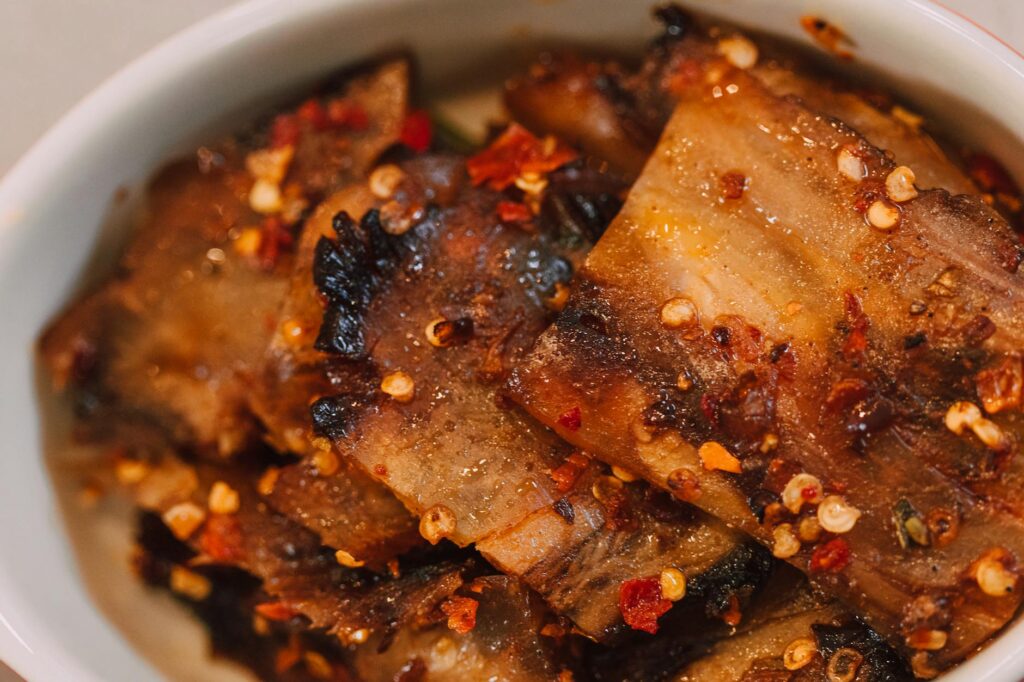
Beginner’s Guide to Miso Marinated Eggplant
Introduction
Miso marinated eggplant is a culinary delight that perfectly blends the umami-rich flavor of miso with the tender, succulent texture of eggplant. This dish has gained popularity across various cuisines, particularly in Japanese cooking, where it serves as a versatile side dish or an enticing component in a larger meal. This guide aims to provide a comprehensive overview of miso marinated eggplant, covering its historical roots, production methods, culinary applications, and much more.
What Is Miso Marinated Eggplant?
Miso marinated eggplant refers to eggplant that is infused with miso paste—a fermented soybean product that adds depth and complexity to dishes. The eggplant absorbs the flavors of the miso, resulting in a dish that is both savory and satisfying. Miso can vary in flavor, ranging from sweet to salty, depending on the type used—white miso (shiro), red miso (aka), and mixed miso (awase). The marination process not only enhances the flavor of the eggplant but also contributes to its nutritional profile.
History and Origins
The origins of miso can be traced back over a thousand years to ancient China, where it was used as a condiment. The technique of fermenting soybeans spread to Japan, where it became a staple in Japanese cuisine. Eggplant, known as “nasu” in Japanese, has been cultivated in Asia for centuries and is particularly popular in Japanese cooking due to its ability to absorb flavors.
The combination of miso and eggplant is believed to have emerged during the Edo period (1603-1868), when various cooking techniques were refined. Miso marinated eggplant exemplifies the Japanese philosophy of utilizing seasonal ingredients and preserving traditional cooking methods. Over time, this dish has been embraced not only in Japan but also in various global culinary contexts, reflecting the growing appreciation for umami flavors.
Production and Processing
Miso Production
Miso is produced through a fermentation process involving soybeans, salt, and a starter culture known as “koji,” which is derived from the mold Aspergillus oryzae. The basic steps in miso production include:
1. Soaking and Cooking Soybeans: Dried soybeans are soaked in water and then cooked until soft.
2. Mixing with Koji and Salt: The cooked soybeans are mashed and combined with koji and salt. The ratio of these ingredients determines the final flavor and texture of the miso.
3. Fermentation: The mixture is placed in fermentation vessels and left to ferment for a period ranging from a few months to several years. This process develops the complex flavors characteristic of miso.
4. Packaging: Once fermentation is complete, the miso is pasteurized, packaged, and prepared for distribution.
Eggplant Preparation
For miso marinated eggplant, the eggplant is typically sliced into rounds or long strips to increase surface area for flavor absorption. The slices may be salted and left to drain excess moisture, which enhances the eggplant’s texture and flavor. Afterward, the eggplant is coated with miso paste and marinated for a specified period, allowing the flavors to meld.
Quality and Grading
The quality of miso marinated eggplant largely depends on the quality of the ingredients used—especially the miso. When assessing miso, consider factors such as:
- Color: Quality miso should have a consistent color, whether it’s pale beige for white miso or deep brown for red miso.
- Aroma: A rich, aromatic scent is a good indicator of quality. Fresh miso should have a pleasant and slightly sweet smell.
- Flavor: Taste is perhaps the most crucial quality assessment. High-quality miso should have a balanced flavor profile, not overly salty or sweet.
- Type of Miso: Choose a miso that aligns with your flavor preference. White miso is sweeter and milder, while red miso is richer and saltier.
- Freshness of Eggplant: Select eggplants that are heavy for their size and have a glossy skin. Avoid those with soft spots or wrinkles.
- Packaging: If buying pre-marinated eggplant, look for products that are properly sealed and have a clear expiration date.
- Organic Options: Consider purchasing organic miso and eggplant, as these may offer better flavor and fewer chemicals.
- Local vs. Imported: Depending on your location, you may have access to locally-produced miso, which can provide a unique flavor profile compared to imported varieties.
- Side Dish: It can serve as a flavorful side dish to complement rice, grilled meats, or fish.
- Salads: Diced miso marinated eggplant can be added to salads for a rich, umami flavor.
- Sandwiches and Wraps: Use miso marinated eggplant as a filling for sandwiches or wraps, providing a unique twist to traditional offerings.
- Vegetarian and Vegan Dishes: This dish is an excellent addition to vegetarian and vegan meals, adding depth and richness without animal products.
- Fusion Cuisine: Miso marinated eggplant can be incorporated into fusion dishes, blending elements from different culinary traditions.
- If homemade, store the marinated eggplant in an airtight container in the refrigerator.
- If purchased, adhere to the manufacturer’s guidelines for storage. Typically, it should be kept in a cool, dry place and refrigerated after opening.
When it comes to eggplant, look for firm, unblemished specimens that are free from discoloration. The freshness of the eggplant significantly influences the final dish’s taste and texture.
Buying Considerations
When purchasing miso marinated eggplant or the ingredients to make it yourself, several considerations come into play:
Uses and Applications
Miso marinated eggplant can be enjoyed in various culinary contexts:
Storage and Shelf Life
Storage
To ensure the longevity of miso marinated eggplant, proper storage is essential:
Shelf Life
Miso marinated eggplant generally has a shelf life of about one week when refrigerated. However, the exact duration may vary based on the specific ingredients used and storage conditions. Always check for signs of spoilage, such as off smells, discoloration, or unusual textures.
Common Misconceptions
Miso is Just a Condiment
While miso is often used as a condiment, it is also a fundamental ingredient that can significantly influence the flavor and character of a dish. Its versatility extends beyond soups and sauces.
Eggplant is Bitter
Some people assume that all eggplants are bitter, but this is often due to improper preparation. Salting eggplant before cooking can mitigate bitterness, enhancing its flavor profile.
Miso Marinated Eggplant is Difficult to Make
Many believe that preparing miso marinated eggplant requires advanced culinary skills. In reality, it’s a straightforward process that involves minimal steps and ingredients, making it accessible for cooks of all levels.
Frequently Asked Questions
1. What types of miso are best for marinating eggplant?
White miso is typically preferred for its mild sweetness, but red and mixed misos can also be used for a richer flavor.
2. How long should I marinate the eggplant?
A marinating time of 30 minutes to 2 hours is usually sufficient, but longer marination can deepen the flavor.
3. Can I use other vegetables for miso marination?
Yes, miso marination can enhance a variety of vegetables, including zucchini, carrots, and bell peppers.
4. Is miso gluten-free?
Some miso varieties contain barley, which has gluten. Always check product labels for gluten-free options.
5. Can I freeze miso marinated eggplant?
Freezing can alter the texture of eggplant, but it is possible. Ensure it is well-sealed to prevent freezer burn.
6. Is miso marinated eggplant suitable for a vegan diet?
Yes, miso marinated eggplant is entirely plant-based, making it suitable for vegan diets.
Conclusion
Miso marinated eggplant is a delightful dish that showcases the rich flavors of miso while elevating the humble eggplant to new culinary heights. Understanding its history, production methods, and applications can enhance your appreciation for this dish and its versatility in the kitchen. Whether you are a novice or an experienced cook, incorporating miso marinated eggplant into your culinary repertoire is an excellent way to explore the depth of umami flavors and traditional Japanese cuisine.