
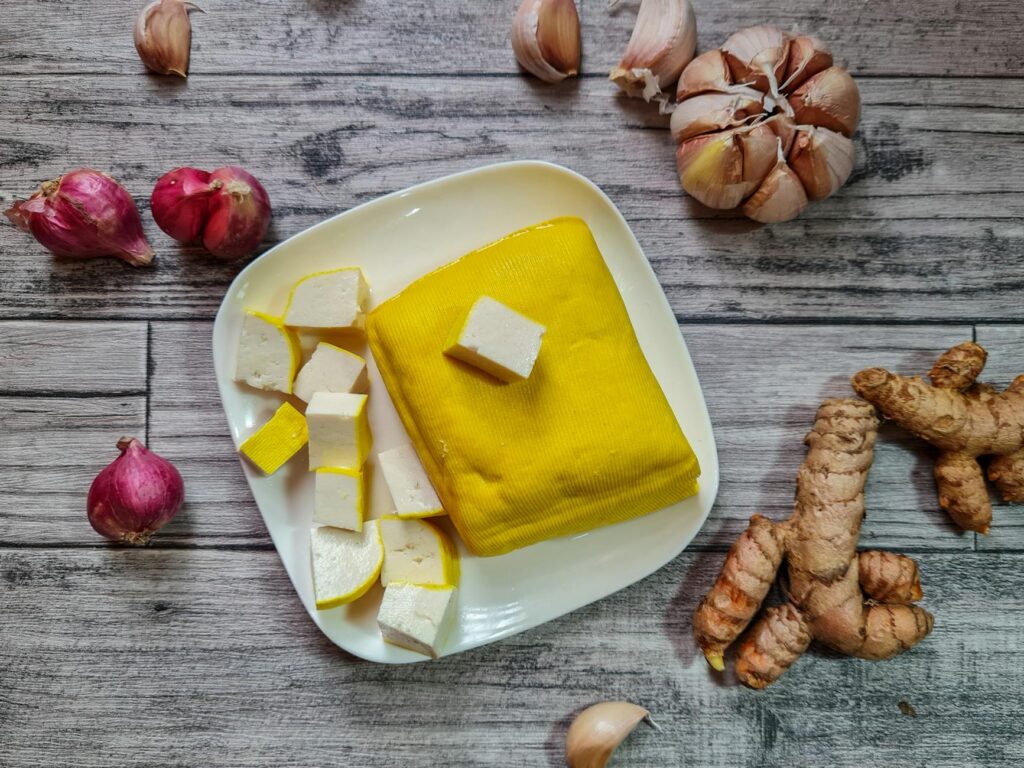
Beginner’s Guide to Miso-marinated Tofu
Introduction
Miso-marinated tofu is a culinary delight that combines the rich umami flavors of miso with the delicate texture of tofu. This synthesis not only enhances the inherent qualities of tofu but also introduces a depth of flavor that can elevate a variety of dishes. As global interest in plant-based diets and umami-rich ingredients grows, understanding miso-marinated tofu becomes essential for both culinary enthusiasts and home cooks alike. This guide aims to provide a comprehensive overview of miso-marinated tofu, from its origins and production to its applications and storage.
What Is Miso-marinated Tofu?
Miso-marinated tofu refers to tofu that has been soaked or coated in a mixture of miso paste, often accompanied by other flavor-enhancing ingredients such as sake, mirin, or sugar. Miso, a fermented soybean paste, contributes a distinct savory flavor profile, while tofu serves as a versatile protein source. The marination process allows the tofu to absorb the flavors of the miso, resulting in a dish that is not only nutrient-dense but also rich in taste.
History and Origins
The origins of miso can be traced back over 1,300 years to ancient China, where it was initially used as a form of preserved food. The technique eventually made its way to Japan, where it evolved into the various types of miso we know today. Miso became integral to Japanese cuisine, particularly in the Edo period (1603–1868), when it was commonly used in soups, sauces, and marinades.
Tofu, on the other hand, has a history that dates back to the Han dynasty in China, around 200 BCE. The introduction of tofu to Japan occurred during the Nara period (710–794), and it quickly became a staple in the Japanese diet. The marriage of tofu and miso is a relatively modern innovation, reflecting Japan’s culinary adaptability and the growing interest in plant-based diets worldwide.
Production and Processing
Miso production begins with the fermentation of soybeans, which are cooked and then combined with koji (a mold culture) and salt. The fermentation process can last from a few months to several years, depending on the type of miso being produced. There are several varieties of miso, including white (shiro), yellow (shinshu), and red (aka), each differing in flavor, salt content, and fermentation time.
Once the miso is prepared, the tofu is made from soybeans that are soaked, ground, and boiled before being coagulated using coagulants like magnesium chloride or calcium sulfate. The resulting curds are pressed into blocks of tofu. For miso-marinated tofu, the tofu is typically sliced or cubed before being marinated in a mixture of miso and other ingredients. This allows the marinade to penetrate the tofu, enhancing its flavor.
Quality and Grading
The quality of both miso and tofu is crucial for achieving the best flavor and texture in miso-marinated tofu.
Miso Quality
When selecting miso, consider the following factors:
- Color: Lighter misos are generally sweeter and milder, while darker misos are saltier and more robust in flavor.
- Texture: High-quality miso should have a smooth, creamy texture. Grainy or overly thick misos may indicate lower quality.
- Ingredients: Look for misos made from organic soybeans and without artificial additives or preservatives.
- Firmness: Tofu comes in various firmness levels—silken, soft, firm, and extra firm. For miso marination, extra-firm tofu is often preferred due to its ability to hold its shape during cooking.
- Freshness: Check for expiration dates and opt for tofu that has been made recently. Fresh tofu has a subtle flavor and a better texture.
- Packaging: Avoid tofu that appears damaged or has excessive moisture in the packaging, as this can indicate spoilage.
- Source: Look for products from reputable brands or local producers that prioritize quality ingredients and traditional methods.
- Flavor Profiles: Different brands may offer unique flavor combinations in their miso-marinated tofu. Consider trying different varieties to find your preferred taste.
- Dietary Preferences: Ensure that the product aligns with your dietary needs, such as vegan, gluten-free, or organic options.
- Packaging: Consider the packaging type—some miso-marinated tofu is sold fresh, while others may be vacuum-sealed for longer shelf life.
- Grilling and Roasting: Marinated tofu can be grilled or roasted to create a flavorful centerpiece for salads, grain bowls, or as a protein-rich addition to vegetable dishes.
- Stir-Fries: Incorporate miso-marinated tofu into stir-fries, where it can absorb flavors from other ingredients and contribute texture and protein.
- Soups and Stews: Add cubes of miso-marinated tofu to soups or stews as a hearty component that complements the broth.
- Salads: Toss marinated tofu in salads for added flavor and protein, enhancing the overall nutritional profile of the dish.
- Refrigeration: Store opened miso-marinated tofu in the refrigerator, ideally in an airtight container to prevent drying out or absorbing odors from other foods.
- Shelf Life: Typically, miso-marinated tofu can last for
Tofu Quality
Tofu quality can vary significantly depending on the manufacturing process. Key aspects to consider include:
Buying Considerations
When purchasing miso-marinated tofu, there are several factors to keep in mind:
Uses and Applications
Miso-marinated tofu is incredibly versatile and can be used in a wide array of dishes:
Storage and Shelf Life
Proper storage is essential for maintaining the quality of miso-marinated tofu: