
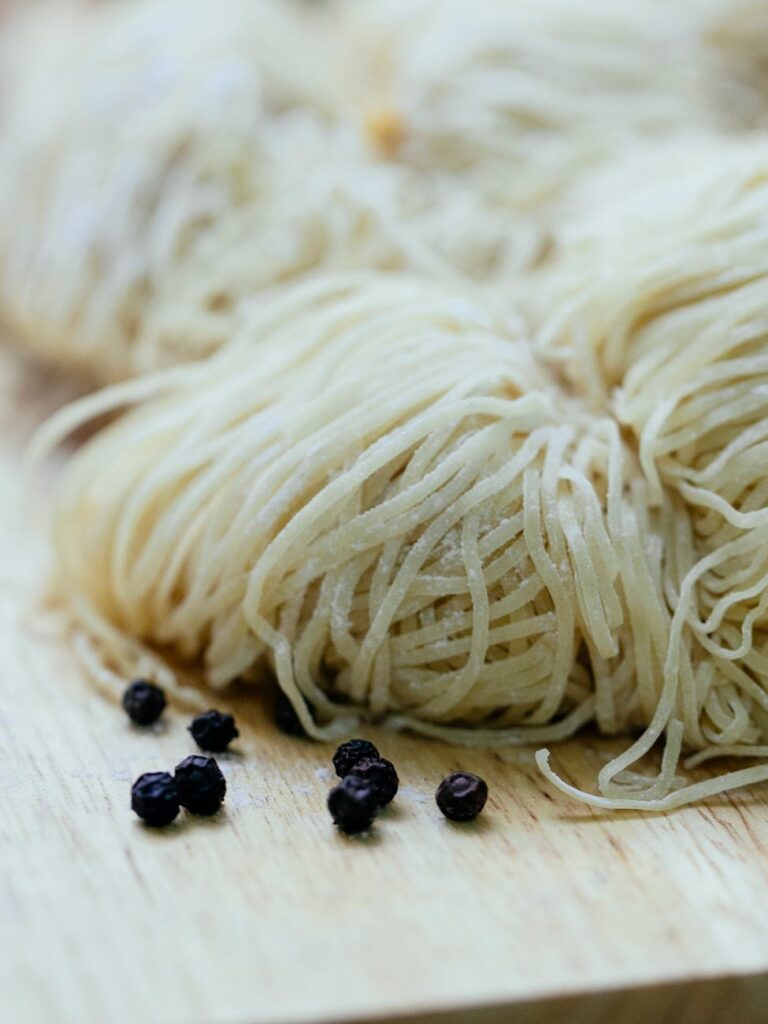
Beginner’s Guide to Miso Noodles
Introduction
Miso noodles are a unique and flavorful ingredient that bridges the gap between traditional Japanese cuisine and contemporary culinary practices worldwide. Made primarily from miso paste, these noodles offer a rich umami taste and numerous cooking possibilities. This guide aims to provide an in-depth understanding of miso noodles, covering their history, production methods, quality considerations, and culinary applications. Whether you’re an aspiring chef or a curious home cook, this guide will equip you with the knowledge to use miso noodles to their fullest potential.
What Is Miso Noodles?
Miso noodles are typically wheat-based noodles infused with miso paste, a fermented soybean product that is a staple in Japanese cooking. The infusion of miso not only imparts a distinctive flavor but also enhances the nutritional profile of the noodles. Miso itself is known for its savory umami taste and probiotic properties, making miso noodles a nutritious choice for those looking to explore new culinary territories.
The noodles can vary in thickness, texture, and flavor intensity depending on the type of miso used and the manufacturing process. They can be served hot in soups, stir-fried, or even cold in salads, making them versatile for a variety of dishes.
History and Origins
The roots of miso noodles can be traced back to Japan, where miso itself has been consumed for over a thousand years. The earliest records of miso date back to the Nara period (710-794 AD), where it was primarily used as a condiment or flavoring for soups. The innovation of combining miso with noodles likely emerged in the 20th century as Japanese cuisine began to adapt to modern culinary preferences.
The concept of noodles in Japan has a long history, with various types such as soba and udon existing for centuries. Miso noodles represent a fusion of these traditional elements with a modern twist, appealing to a global audience that seeks new flavors and textures.
Production and Processing
The production of miso noodles involves several key steps, starting from the sourcing of high-quality ingredients. Traditional miso is made from fermented soybeans, rice, or barley, which are then blended with salt and a specific type of koji mold. The fermentation process can take anywhere from a few weeks to several years, resulting in a range of flavors that vary from sweet to salty.
Once the miso is prepared, it is mixed with wheat flour and water to form a dough. This dough is then extruded into noodle shapes and dried or steamed. The drying process can influence the texture and shelf life of the noodles. Some producers also opt for fresh miso noodles, which are refrigerated rather than dried, offering a different culinary experience.
Quality and Grading
The quality of miso noodles can vary depending on several factors, including the type of miso used, the production methods, and the ingredients involved. When assessing the quality of miso noodles, consider the following criteria:
1. Miso Type: Different miso varieties—such as white, red, or mixed—impart distinct flavors. Higher-quality miso noodles often use organic or artisanal miso.
2. Texture: Quality noodles should have a firm yet tender texture, allowing them to hold up well in various dishes.
3. Flavor: A well-balanced flavor profile is essential. The umami notes from the miso should complement the noodles without overpowering them.
4. Appearance: High-quality miso noodles should have a consistent color and shape, indicating a careful production process.
5. Ingredient Transparency: Ethical producers will often provide information about their sourcing and manufacturing practices, which can be an indicator of quality.
Buying Considerations
When purchasing miso noodles, several factors should be taken into account to ensure you select the best product for your culinary needs:
1. Miso Type: Depending on your flavor preference, select noodles made with white miso for a milder taste or red miso for a more robust flavor.
2. Freshness: If available, opt for fresh miso noodles, as they typically offer superior texture and flavor compared to dried variants.
3. Brand Reputation: Research brands known for quality production practices. Consider looking for artisanal or organic options that prioritize traditional methods.
4. Packaging: Pay attention to packaging dates and storage instructions. Proper packaging can affect the shelf life and quality of the noodles.
5. Dietary Preferences: Check for any additional ingredients if you have dietary restrictions. Some brands may include additives or preservatives that you might want to avoid.
Uses and Applications
Miso noodles are incredibly versatile, lending themselves to a variety of culinary applications. Here are some common uses:
- Soups: Miso noodles can be the star ingredient in a rich broth, enhancing the soup’s overall flavor. They can absorb the broth’s essence while adding their own umami notes.
- Stir-Fries: These noodles can be stir-fried with vegetables and proteins, creating a balanced dish that showcases their unique flavor.
- Salads: Cold miso noodle salads can be refreshing, especially when paired with crisp vegetables and a light dressing.
- Casseroles: Miso noodles can be layered in baked dishes, where they absorb flavors from other ingredients and contribute to the overall richness of the meal.
- Fusion Dishes: Miso noodles can be incorporated into non-Japanese cuisines, such as in Italian pasta dishes or even as a base for Mediterranean-inspired bowls.
- Dried Miso Noodles: These typically have a longer shelf life and can be stored in a cool, dry place, ideally in an airtight container. Check the packaging for specific expiration dates, as they can vary by brand.
- Fresh Miso Noodles: These should be refrigerated and used within a week or two for optimal freshness. Always check for any signs of spoilage, such as an off smell or discoloration.
- Freezing: If you have excess fresh miso noodles, they can be frozen. However, this may alter their texture. When thawing, do so gradually in the refrigerator.
Storage and Shelf Life
The storage conditions for miso noodles can significantly affect their shelf life and quality. Here are some guidelines to consider:
Common Misconceptions
Miso noodles are often surrounded by myths and misunderstandings. Here are a few common misconceptions debunked:
1. All Miso Noodles Are the Same: In reality, the flavor, texture, and quality can vary significantly based on the type of miso and production methods used.
2. Miso Noodles Are Unhealthy: While they do contain carbohydrates, miso noodles can be a nutritious option when made with high-quality ingredients and combined with vegetables and proteins.
3. Miso Noodles Are Only for Japanese Cuisine: While they are a staple in Japanese cooking, miso noodles can be used creatively in a variety of global dishes.
4. Miso Is Always Fermented Soybeans: While soybeans are a primary ingredient, miso can also be made from other grains like barley or rice, leading to different flavor profiles.
Frequently Asked Questions
1. Can I make miso noodles at home?
Yes, making miso noodles at home is possible, but it requires some specialized ingredients and equipment. The process involves creating your own miso and mixing it into the noodle dough.
2. Are miso noodles gluten-free?
Most traditional miso noodles are made from wheat flour, making them unsuitable for those with gluten sensitivities. However, some brands may offer gluten-free alternatives.
3. How do I cook miso noodles?
Cooking miso noodles is similar to cooking other types of noodles. Boil them in water until they reach your desired texture, then drain and rinse before adding them to your dish.
4. What dishes pair well with miso noodles?
Miso noodles pair well with a variety of ingredients, including vegetables, tofu, and proteins like chicken or shrimp. They can also complement diverse sauces, from simple soy-based dressings to richer broths.
5. Can I substitute miso noodles for other types of noodles?
While miso noodles have a unique flavor, they can be used as a substitute for other noodles in many recipes. Be mindful that the flavor will differ, so adjustments may be necessary.
6. Where can I buy high-quality miso noodles?
High-quality miso noodles can often be found in Asian grocery stores, specialty food markets, or online retailers that focus on authentic culinary ingredients.
—
In conclusion, miso noodles offer a delightful addition to any culinary repertoire. With their rich history, versatile applications, and unique flavor profile, they are an ingredient worth exploring. Whether enjoyed in traditional dishes or innovative fusion recipes, miso noodles can elevate your cooking experience, inviting you to discover the depths of umami and the joys of Japanese cuisine.