
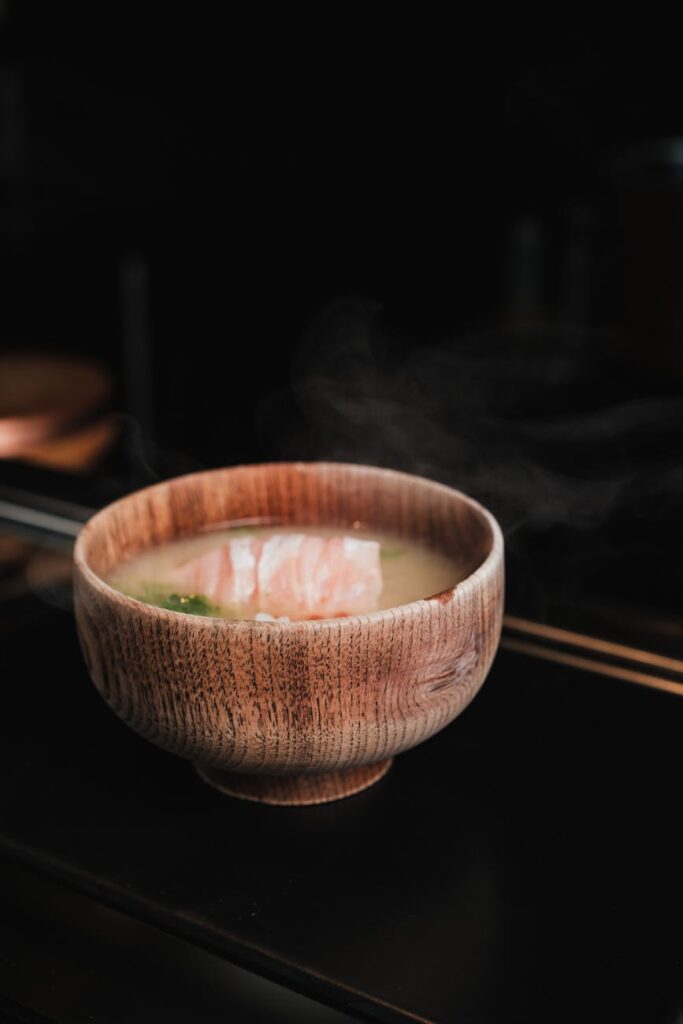
Beginner’s Guide to Miso Paste
Introduction
Miso paste, a staple in Japanese cuisine, has garnered global recognition for its rich umami flavor and versatility. With a history that spans centuries, this fermented soybean product offers a unique taste profile that can elevate various dishes. This guide aims to provide a comprehensive understanding of miso paste, covering its history, production, quality grading, buying considerations, and culinary applications. Whether you’re a novice cook or an experienced chef looking to expand your culinary repertoire, this guide will serve as an essential resource.
What Is Miso Paste?
Miso paste is a traditional Japanese seasoning made primarily from fermented soybeans, salt, and a specific type of mold known as Aspergillus oryzae. This fermentation process gives miso its characteristic flavor, which can range from sweet and mild to salty and robust, depending on the variety. Miso paste is not merely a flavor enhancer; it is a probiotic-rich ingredient that adds depth and complexity to dishes.
History and Origins
The origins of miso paste can be traced back over a thousand years to ancient China, where it was initially known as jiang. It was introduced to Japan in the 7th century, where it evolved into the miso we recognize today. The Japanese began to refine the fermentation process, resulting in various types of miso, each with distinct flavors and uses.
Historically, miso was a vital source of protein and nutrients, especially during times of food scarcity. It was often consumed by monks and samurai, serving not only as a food staple but also as a means of sustenance during long journeys. Over time, miso became an integral part of Japanese culinary culture, featured in soups, marinades, and dressings.
Production and Processing
The production of miso paste involves several key steps, beginning with the selection of raw ingredients. High-quality soybeans, koji (a culture of Aspergillus oryzae), and salt are essential for creating authentic miso. The process typically follows these stages:
1. Soaking and Cooking Soybeans: Dried soybeans are soaked in water and then cooked until soft. This step activates enzymes that will aid in fermentation.
2. Koji Preparation: Cooked soybeans are inoculated with koji, which is then allowed to ferment for a short period. This crucial stage encourages the development of flavor compounds.
3. Mixing and Fermentation: The koji-soybean mixture is combined with salt and packed into fermentation containers. This mixture is left to ferment for anywhere from a few weeks to several years, depending on the desired flavor profile.
4. Aging: During this aging process, enzymes break down the proteins and carbohydrates in the soybeans, resulting in a complex flavor and texture.
5. Final Processing: After fermentation, the miso is blended, pasteurized, and packaged for distribution.
Different types of miso are produced based on variations in ingredients, fermentation time, and regional practices, resulting in a diverse range of flavors and colors.
Quality and Grading
Miso paste can be categorized into several types based on color, flavor, and texture. The most common classifications include:
- White Miso (Shiro Miso): Characterized by its light color and sweet flavor, white miso is fermented for a shorter period. It is ideal for lighter dishes and dressings.
- Red Miso (Aka Miso): This type is darker and has a stronger, saltier flavor due to a longer fermentation process. It is often used in heartier dishes.
- Mixed Miso (Awase Miso): A blend of white and red miso, offering a balanced flavor profile that suits a variety of applications.
- Soups: Miso soup is a quintessential dish in Japanese cuisine, often incorporating tofu, seaweed, and vegetables.
- Marinades: Miso can be used as a marinade for meats, fish, and vegetables, adding depth and flavor.
- Salad Dressings: Combined with oil and vinegar, miso creates a creamy, umami-rich dressing.
- Sauces: Miso can enhance sauces, providing a savory base for glazes or dips.
- Baking: Some adventurous bakers incorporate miso into bread and pastries for a unique flavor twist.
- As a Condiment: Miso can be used as a condiment, adding a flavorful kick to rice and vegetable dishes.
- Refrigeration: Once opened, miso should be stored in an airtight container in the refrigerator to prevent spoilage. It can last for several months to a year, depending on the type and fermentation level.
- Freezing: While freezing miso is possible, it may alter its texture slightly. If you choose to freeze it, portion it into smaller containers for easier use.
- Avoid Contamination: Always use a clean utensil when scooping miso to prevent introducing bacteria that could spoil the product.
Quality can also vary significantly based on production methods and ingredients. When selecting miso, look for brands that prioritize traditional fermentation processes and use organic, non-GMO soybeans. The presence of a complex aroma and rich flavor are also indicators of high-quality miso.
Buying Considerations
When purchasing miso paste, several factors should be taken into account:
1. Type of Miso: Depending on your culinary needs, choose the appropriate type of miso. White miso may be preferable for dressings, while red miso is ideal for soups and marinades.
2. Ingredients: Check the ingredient list for purity. High-quality miso typically contains just soybeans, salt, koji, and sometimes additional flavorings like rice or barley.
3. Fermentation Time: The length of fermentation affects flavor complexity. Longer-fermented miso will generally have a richer, deeper flavor.
4. Packaging: Miso is often sold in tubs or vacuum-sealed bags. Choose products that are stored in a way that preserves freshness.
5. Brand Reputation: Opt for reputable brands known for their commitment to quality and traditional practices.
6. Organic Certification: If possible, select organic miso to avoid genetically modified organisms and synthetic additives.
Uses and Applications
Miso paste is incredibly versatile and can be used in a variety of culinary applications:
The adaptability of miso makes it a valuable ingredient in both traditional and contemporary cuisines.
Storage and Shelf Life
To maintain the quality of miso paste, proper storage is essential:
Common Misconceptions
Miso paste is often surrounded by misconceptions that can lead to misunderstandings about its use and benefits:
1. Miso is Always Salty: While many types of miso are salty, the flavor can also be sweet, nutty, or even fruity, depending on the variety and fermentation time.
2. All Miso is the Same: Different types of miso vary significantly in flavor, texture, and culinary application. Understanding these differences can enhance your cooking.
3. Miso is Only for Soups: While miso soup is a popular dish, miso can be used in a wide array of culinary applications, including marinades, dressings, and baked goods.
4. Miso is Unhealthy: Miso is often misconceived as unhealthy due to its sodium content. However, when used in moderation, it can be part of a balanced diet and provides beneficial probiotics.
5. Miso Contains Meat: Traditional miso is plant-based, but some variations may include additional flavorings. Always check the label if dietary restrictions are a concern.
6. Miso is a Recent Trend: While it has gained popularity in Western cuisine, miso has been a staple in Japanese cooking for centuries, with a rich history.
Frequently Asked Questions
1. Is miso paste gluten-free?
Most traditional miso pastes made from soybeans, salt, and koji are gluten-free. However, some miso varieties include barley or other grains. Always check the label to ensure it meets gluten-free standards.
2. Can I use miso paste in vegan cooking?
Absolutely! Miso is an excellent ingredient in vegan cooking, providing rich umami flavors without any animal products. It can enhance soups, sauces, and marinades.
3. How do I know which type of miso to use for a dish?
The type of miso you choose should complement the flavors of your dish. Light, sweet miso works well in delicate recipes, while robust, dark miso is suited for heartier dishes.
4. Are there any substitutes for miso paste?
While there is no perfect substitute for miso, you can use tahini, soy sauce, or nutritional yeast in some recipes to replicate umami flavors. However, the taste will differ.
5. How long does miso paste last after opening?
When stored properly in the refrigerator, miso paste can last from several months to a year after opening. Always check for changes in smell or color to assess its quality.
6. Can I eat miso paste raw?
Yes, miso can be consumed raw in dressings or dips. However, heating miso can diminish some of its probiotic benefits, so consider adding it at the end of cooking for maximum potency.
Conclusion
Miso paste is a remarkable ingredient that has stood the test of time, enriching culinary traditions across cultures. Its unique flavor, versatility, and nutritional benefits make it an indispensable element in both traditional and modern cuisine. Understanding miso—from its history and production to its applications and storage—will not only enhance your cooking skills but also deepen your appreciation for this ancient ingredient. Whether you’re stirring a pot of miso soup or experimenting with innovative dishes, the world of miso is vast and rewarding, ready for you to explore.