
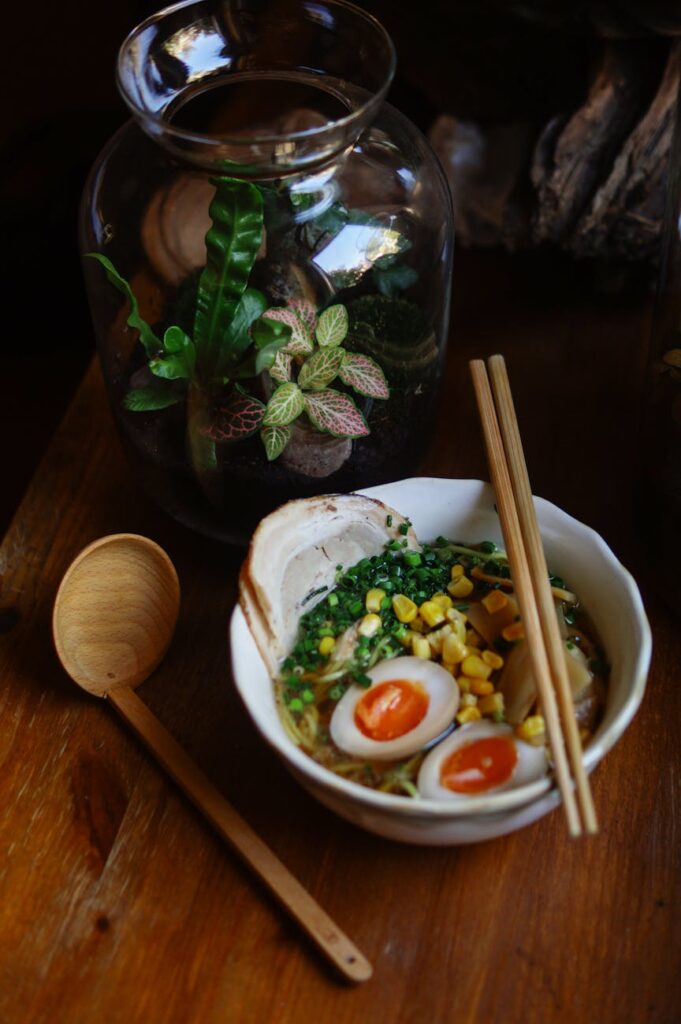
Beginner’s Guide to Miso Ramen Broth
Introduction
Miso ramen broth is a cornerstone of Japanese cuisine, known for its rich umami flavor and complex character. As more culinary enthusiasts explore Asian cuisines, understanding the intricacies of miso ramen broth becomes essential for both home cooks and professionals alike. This guide is designed to provide a comprehensive overview of miso ramen broth, covering its history, production, quality grading, and much more.
What Is Miso Ramen Broth?
Miso ramen broth is a savory liquid base made primarily from miso paste, a fermented soybean product. Known for its robust flavor, this broth serves as the foundation for miso ramen, a popular noodle dish that originated in Japan. The rich umami profile of miso, combined with other ingredients like dashi, soy sauce, and various aromatics, creates a deeply satisfying bowl of ramen.
Miso itself comes in several varieties, including white, yellow, and red, each contributing different flavor profiles and levels of saltiness to the broth. The versatility of miso ramen broth allows for a wide range of interpretations, making it a favorite among ramen chefs and food enthusiasts worldwide.
History and Origins
Miso, the key ingredient in miso ramen broth, has a long history that dates back over a thousand years in Japan, with its roots tracing back to ancient China. Originally a paste used for preserving food, miso evolved into a staple ingredient in Japanese cooking, particularly after the introduction of soybeans to the region.
The specific combination of miso with ramen noodles emerged in the mid-20th century, particularly in Hokkaido, where the cold climate made hearty meals more appealing. The first miso ramen shop is often credited to a restaurant called “Aji no Sanpei” in Sapporo, which opened in 1955. Since then, miso ramen has become a beloved dish throughout Japan and has gained international acclaim.
Production and Processing
Miso ramen broth is produced through a meticulous process that begins with the fermentation of soybeans. The basic steps involved include:
1. Fermentation of Soybeans: Soybeans are soaked, steamed, and then combined with koji mold (Aspergillus oryzae) and salt. This mixture is allowed to ferment for several months to develop flavor.
2. Blending: Once fermentation is complete, the miso is blended with other ingredients such as dashi (a Japanese stock made from kelp and bonito flakes), garlic, ginger, and sometimes additional miso varieties to achieve a nuanced flavor profile.
3. Cooking: The blended mixture is then simmered to meld the flavors together, allowing the broth to develop its characteristic depth.
4. Straining: Some chefs choose to strain the broth for a smoother texture, while others may leave it unstrained for added body.
This production method can vary depending on regional preferences and individual chef styles, leading to a diverse array of miso ramen broths available today.
Quality and Grading
The quality of miso ramen broth can significantly impact the final dish. Here are key factors to consider:
- Miso Quality: The type and quality of miso used is paramount. Higher-quality miso is typically less salty and has a more complex flavor profile. Look for artisanal brands that focus on natural fermentation processes.
- Umami Balance: A well-balanced broth will have a harmonious blend of umami, saltiness, sweetness, and acidity. Taste-testing is crucial in this regard.
- Aromatics: Freshness and quality of added ingredients such as garlic, ginger, and scallions can elevate the broth’s flavor.
- Consistency: A good broth should have a smooth, rich consistency. Thin broths may indicate a lower quality or a rushed cooking process.
- Ramen: The most obvious use, miso ramen broth provides a delectable base for both homemade and restaurant-style ramen.
- Soups: It can be used as a flavorful base for other soups, enhancing dishes with a rich umami flavor.
- Sauces: The broth can be reduced and thickened to create sauces for grilled meats, vegetables, or tofu.
- Marinades: Miso ramen broth can serve as an excellent marinade for proteins, imparting a deep, savory flavor.
- Stir-Fries: Incorporating miso ramen broth into stir-fried dishes adds an extra layer of flavor that elevates the overall meal.
When purchasing or evaluating miso ramen broth, consider these attributes for a more authentic and satisfying experience.
Buying Considerations
When seeking miso ramen broth, several factors should guide your purchasing decisions:
1. Type of Miso: Familiarize yourself with the different types of miso (white, yellow, red) and their flavor profiles. Each type brings unique characteristics that can influence the overall taste of your ramen.
2. Ingredient Transparency: Look for brands that disclose their ingredients clearly. Avoid products with artificial additives or preservatives, as these can compromise flavor.
3. Local vs. Imported: While authentic Japanese brands can be excellent, local artisanal producers may offer unique takes on miso ramen broth that reflect regional flavors.
4. Sustainability Practices: Consider brands that prioritize sustainable sourcing of ingredients, as this not only affects flavor but also the environmental impact of food production.
5. Packaging: Miso ramen broth is often available in jars, packets, or pouches. Choose packaging that maintains freshness and is easy to store.
By being informed, you can select a miso ramen broth that best suits your culinary endeavors.
Uses and Applications
Miso ramen broth serves as a versatile base for various dishes beyond traditional ramen. Here are some notable applications:
The adaptability of miso ramen broth allows chefs and home cooks to experiment and