
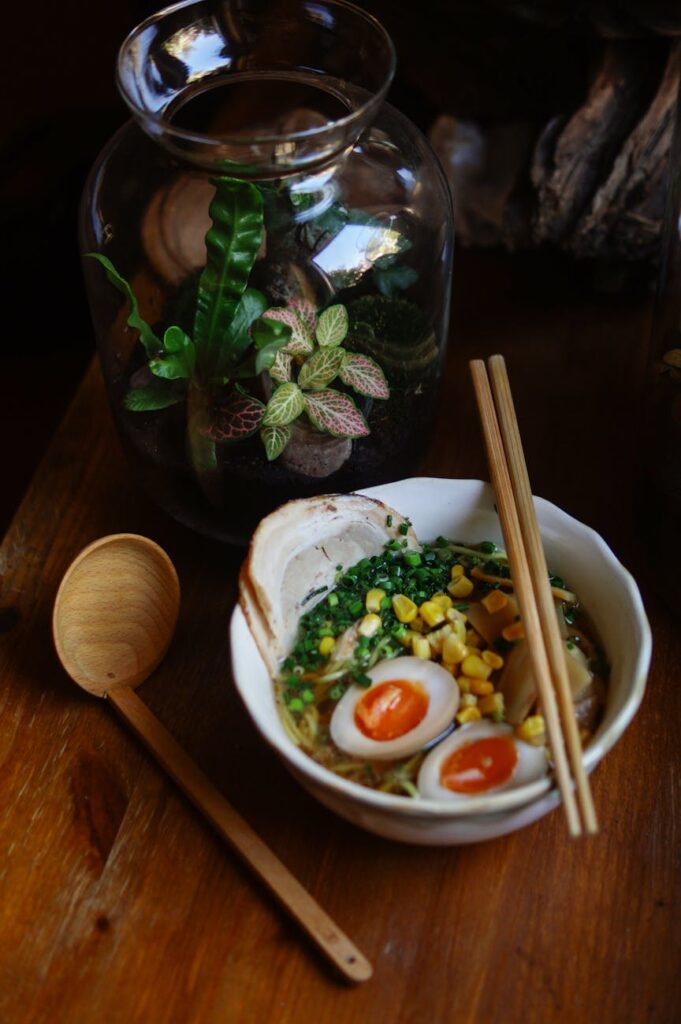
Beginner’s Guide to Miso Ramen Broth
Introduction
Miso ramen broth is a cornerstone of Japanese cuisine, offering a rich and complex flavor profile that has captivated food lovers worldwide. This savory broth, characterized by its umami depth, serves as the foundation for one of Japan’s most beloved noodle dishes—ramen. As culinary enthusiasts increasingly experiment with global flavors, understanding miso ramen broth becomes essential for anyone interested in Japanese cooking or the broader world of gastronomy.
This guide will take you through the various facets of miso ramen broth, including its history, production methods, quality indicators, and more. Whether you are a novice cook or a seasoned chef, this resource aims to deepen your appreciation and understanding of this vital culinary ingredient.
What Is Miso Ramen Broth?
Miso ramen broth is a flavorful liquid base made primarily from miso paste, which is a fermented soybean product. The broth typically combines various elements, including water, dashi (a Japanese stock), and additional ingredients such as vegetables, meats, and seasonings. The resulting liquid is rich in umami, the fifth taste sensation that rounds out the flavor profile of the dish.
The miso paste itself can vary in color and flavor, ranging from the light, sweet notes of shiro miso (white miso) to the robust, salty flavor of aka miso (red miso). This diversity allows for a range of broths that can be customized to meet individual preferences.
History and Origins
The origins of ramen can be traced back to Chinese noodle dishes, but it was in Japan where it evolved into the beloved staple we recognize today. Miso ramen specifically originated in Hokkaido, Japan, where the cold climate necessitated hearty, warming meals. The first recorded instance of miso ramen is credited to the Sapporo region in the 1950s, where local chefs began experimenting with miso as a base for their broths.
As ramen shops proliferated across Japan, miso ramen gained popularity and diversified, leading to regional variations that incorporate local ingredients and flavors. This evolution reflects not only culinary trends but also the cultural significance of ramen as a comfort food in Japanese society.
Production and Processing
The production of miso ramen broth begins with the key ingredient: miso paste. Miso is made by fermenting soybeans with salt and a specific strain of mold known as Aspergillus oryzae, along with other grains such as rice or barley. The fermentation process can take anywhere from a few weeks to several years, resulting in a spectrum of flavors and textures.
Once the miso is prepared, the broth is created by dissolving the paste in hot water or dashi. This mixture is often enhanced with other elements such as garlic, ginger, green onions, and even pork or chicken bones to create a more robust flavor. The ingredients are simmered to allow the flavors to meld, resulting in a rich, savory broth that serves as the backbone of the dish.
The final step in production often involves straining the broth to achieve a smooth texture, although some chefs may prefer a chunky consistency, depending on their culinary philosophy.
Quality and Grading
The quality of miso ramen broth is largely influenced by the quality of the miso used. Miso can be categorized into several types, each with its own unique characteristics:
1. Shiro Miso (White Miso): Characterized by a sweet flavor, this type is fermented for a shorter period and is often made with a higher proportion of rice.
2. Aka Miso (Red Miso): Aged longer than shiro miso, aka miso has a deeper, saltier flavor, making it ideal for hearty broths.
3. Kuro Miso (Black Miso): Known for its intense flavor, kuro miso is typically produced in regions like Nagoya and adds a complex richness to the broth.
When evaluating miso for ramen broth, consider the following factors:
- Flavor Profile: The balance of sweetness, saltiness, and umami.
- Texture: A smooth paste is often preferable for a well-integrated broth.
- Color: The hue can indicate the fermentation process and the type of ingredients used.
- Soups and Stews: Use miso broth as a base for other soup recipes, such as miso soup, where it can be paired with tofu, seaweed, or vegetables.
- Sauces and Marinades: Miso can add depth to marinades for meats or sauces for vegetables.
- Cooking Grains: Use miso broth instead of water to cook rice or quinoa for added flavor.
- Dipping Sauces: Combine miso with sesame oil and vinegar for a rich dipping sauce for
High-quality miso will have a rich aroma and a balanced flavor, free from artificial additives or preservatives.
Buying Considerations
When purchasing miso for ramen broth, several factors should be taken into account:
1. Type of Miso: Consider the flavor profile you wish to achieve. If you prefer a lighter broth, shiro miso may be ideal. For a more robust flavor, opt for aka or kuro miso.
2. Origin: Regional varieties may offer unique flavors, so explore different brands to find the one that best suits your palate.
3. Freshness: Miso is best when purchased fresh. Look for products with a recent manufacturing date.
4. Packaging: Miso is typically sold in sealed containers or pouches. Ensure the packaging is intact and free from leaks.
5. Price: Quality miso can vary in price. While cheaper options may be available, investing in higher-quality miso will significantly enhance the flavor of your broth.
Uses and Applications
Miso ramen broth is versatile and can be adapted for various culinary uses beyond traditional ramen. Here are some applications: