
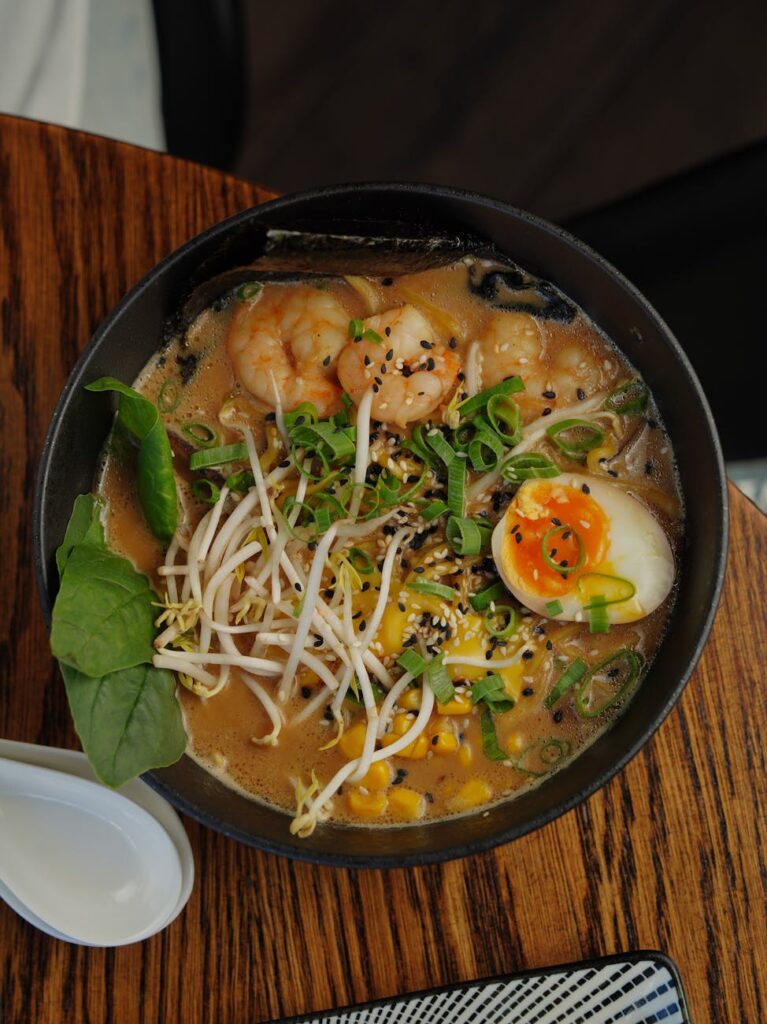
Beginner’s Guide to Miso Ramen Noodles
Introduction
Miso ramen noodles are a beloved staple in Japanese cuisine, celebrated not only for their distinctive flavor but also for their versatility. This guide serves to enlighten enthusiasts, culinary students, and home cooks alike about the intricacies of miso ramen noodles. From their historical roots to production methods, quality grading, and practical applications, this comprehensive overview aims to deepen your appreciation for this unique ingredient.
What Is Miso Ramen Noodles?
Miso ramen noodles are a type of wheat noodle traditionally used in ramen dishes, characterized by their chewy texture and ability to absorb flavors. What sets miso ramen apart is the inclusion of miso paste, a fermented soybean product, which imparts a rich, umami flavor to the dish. Miso ramen can be prepared in various styles, often garnished with an array of toppings such as sliced pork, green onions, and soft-boiled eggs, creating a harmonious balance of flavors and textures.
History and Origins
The origins of ramen can be traced back to China, where the concept of noodle soup was first developed. It gained popularity in Japan during the late 19th and early 20th centuries, evolving into various regional styles. Miso ramen, specifically, emerged in Hokkaido during the 1950s. The cold climate of Hokkaido led to the development of heartier ramen styles, with miso being an ideal ingredient due to its rich flavor and nutritional content. Over time, miso ramen has spread across Japan and the world, becoming a signature dish in Japanese cuisine.
Production and Processing
The production of miso ramen noodles involves several intricate steps:
1. Ingredients: The primary ingredients include wheat flour, water, salt, and kansui (alkaline mineral water), which gives the noodles their unique texture and chewiness.
2. Dough Preparation: The flour and kansui are mixed with water to form a dough, which is then kneaded until smooth. This process is crucial for developing the gluten structure that contributes to the noodle’s texture.
3. Sheeting: The dough is rolled out into thin sheets, then cut into strands of varying thickness, depending on the desired noodle style.
4. Cooking: The noodles can be steamed or boiled, depending on the manufacturer’s method. Pre-cooked noodles are often flash-frozen or dried for preservation.
5. Miso Integration: Miso can be incorporated into the broth served with the noodles or used as a seasoning in the cooking process, enhancing the overall flavor profile of the dish.
Quality and Grading
The quality of miso ramen noodles can be influenced by several factors, including the type of wheat used, the production methods, and the region of origin. High-quality noodles typically exhibit the following characteristics:
- Texture: Good ramen noodles should be firm yet chewy, with a pleasant mouthfeel.
- Color: The noodles should have a light golden hue, indicative of proper cooking and drying processes.
- Flavor: Quality noodles should not have off-flavors; instead, they should carry a subtle, wheaty taste that complements the miso broth.
- Traditional Ramen Bowls: The most common use, where noodles are served in a rich miso broth, complemented by various toppings.
- Stir-Fries: Cooked miso ramen noodles can be stir-fried with vegetables, proteins, and sauces for a quick meal.
- Cold Dishes: Chilled noodles can be dressed with sesame oil, soy sauce, and fresh vegetables for a refreshing salad.
- Noodle Soups: Beyond traditional ramen, miso noodles can serve as a base for other types of soups, incorporating different broths and ingredients.
- Fresh Noodles: Typically have a shelf life of 1-2 weeks when refrigerated. They should be stored in an airtight container to maintain moisture and prevent drying out.
- Dried Noodles: These can last for several months when stored in a cool, dry place. Ensure the packaging is sealed to prevent moisture absorption.
- Frozen Noodles: Flash-frozen noodles can last for several months in the freezer. It is advisable to use them within three months for optimal quality.
Grading systems vary, but reputable manufacturers often provide information about the type of wheat used and specific production techniques to help consumers make informed choices.
Buying Considerations
When purchasing miso ramen noodles, consider the following factors:
1. Freshness: Opt for fresh or flash-frozen noodles when available, as they often provide superior texture and flavor compared to dried versions.
2. Type of Noodles: Different styles of ramen noodles exist, such as thin, thick, curly, or straight. Choose based on personal preference and the type of dish you wish to prepare.
3. Brand Reputation: Select brands known for quality, as many manufacturers prioritize traditional methods and high-grade ingredients.
4. Ingredients: Always check the ingredient list for additives or preservatives. Pure wheat noodles with minimal ingredients are often the best choice.
5. Miso Compatibility: If you’re using a specific type of miso paste, consider purchasing noodles designed to complement that flavor profile, enhancing the overall dish.
Uses and Applications
Miso ramen noodles are incredibly versatile and can be utilized in various culinary applications:
Storage and Shelf Life
The storage method significantly impacts the longevity of miso ramen noodles:
When preparing miso ramen noodles, it is best to use them as fresh as possible for the best texture and flavor.
Common Misconceptions
Despite their popularity, several misconceptions surround miso ramen noodles:
1. All Ramen Noodles Are the Same: Many people believe all ramen noodles are identical; however, they vary significantly in texture, thickness, and flavor depending on