
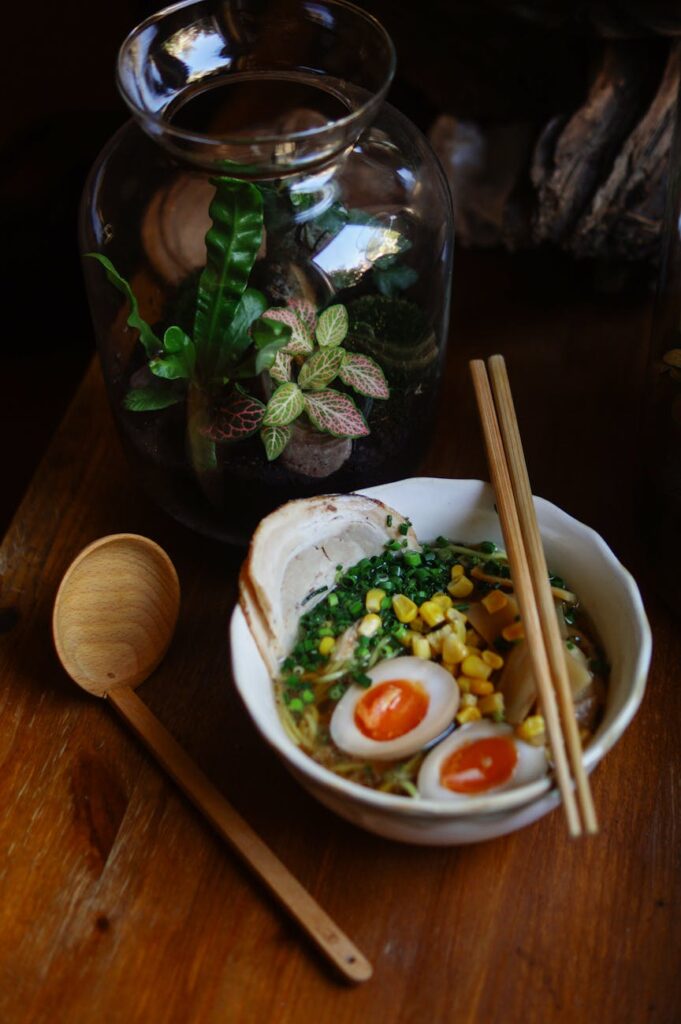
Beginner’s Guide to Miso Ramen Noodles
Introduction
Miso ramen noodles are an essential component of one of Japan’s most beloved culinary creations: ramen. Known for their unique texture and flavor, these noodles serve as a perfect vehicle for the rich, umami-laden miso broth. This guide aims to provide a comprehensive understanding of miso ramen noodles, covering everything from their history and production to quality considerations and common misconceptions.
What Is Miso Ramen Noodles?
Miso ramen noodles are a type of wheat noodle specifically designed to be paired with miso-based broth. Miso, a fermented soybean paste, adds depth and a savory quality to the dish, complemented by various toppings like sliced pork, green onions, and nori. The noodles themselves are typically made from wheat flour, water, salt, and a kansui (alkaline mineral water), which gives them their distinctive chewy texture and yellow hue.
History and Origins
The origins of ramen can be traced back to China, with the dish evolving significantly after its introduction to Japan in the late 19th century. Miso ramen, in particular, is believed to have emerged in Hokkaido, Japan, during the post-World War II era. As the country rebuilt itself, regional variations began to flourish, and miso ramen became popular for its hearty and comforting qualities. Over the decades, it has gained a global following, leading to numerous interpretations and adaptations.
Production and Processing
The production of miso ramen noodles involves several critical steps.
1. Ingredients: High-quality wheat flour is the primary ingredient, often mixed with kansui to enhance elasticity and texture. The proportion of these ingredients can significantly impact the final product.
2. Kneading: Once the ingredients are combined, the dough is kneaded until it reaches the desired consistency. This process is crucial for developing gluten, which contributes to the noodles’ chewiness.
3. Resting: After kneading, the dough is allowed to rest. This step lets the gluten relax, making it easier to roll out.
4. Rolling and Cutting: The rested dough is rolled out into thin sheets, which are then cut into the desired noodle shape. The thickness can vary based on regional preferences and specific ramen styles.
5. Drying: Finally, the noodles can be either fresh or dried, depending on the intended use. Fresh noodles have a shorter shelf life but offer a superior texture when cooked.
Quality and Grading
Quality is a vital factor when it comes to miso ramen noodles. Various grading systems may apply, often based on factors such as texture, color, and flavor. High-quality noodles should have:
- Texture: A firm, chewy bite that holds up well in broth.
- Color: A slightly yellow hue, indicating the presence of kansui.
- Freshness: For dried noodles, the packaging should be intact, and the expiration date should be checked.
- Stir-Fries: Miso ramen noodles can be sautéed with vegetables and proteins for a quick meal.
- Salads: Cold noodle salads featuring miso ramen can be refreshing and satisfying.
- Soups: Beyond traditional ramen, these noodles can be added to other types of soups for added texture.
- Fresh Noodles: These should be stored in the refrigerator and used within a few days of purchase for optimal freshness. They can be frozen for longer storage, but this may alter their texture.
- Dried Noodles: These can be stored in a cool, dry place and have a longer shelf life, often lasting several months to a year. Always check the expiration date on the packaging.
Manufacturers may also conduct taste tests to evaluate umami levels, ensuring that the noodles can stand up to the robust flavors of miso broth.
Buying Considerations
When purchasing miso ramen noodles, several factors should be taken into account:
1. Type: Decide between fresh and dried noodles. Fresh noodles often provide a superior texture but require immediate use, while dried noodles offer convenience and longer shelf life.
2. Ingredients: Look for noodles made with high-quality wheat flour and no additives. Some brands may offer organic or specialty options, such as whole grain.
3. Shape and Thickness: Consider the style of ramen you wish to make. Thinner noodles are often used in lighter broths, while thicker noodles pair well with hearty, rich miso broth.
4. Brand Reputation: Opt for well-known brands or local producers who specialize in ramen noodles. Authenticity and quality can vary widely between manufacturers.
5. Packaging: Ensure that the packaging is in good condition and that the noodles are free from any signs of damage or contamination.
Uses and Applications
Miso ramen noodles are primarily used in ramen dishes, but their versatility extends beyond the bowl. They can be incorporated into various dishes, including:
The adaptability of miso ramen noodles makes them a valuable ingredient in many culinary applications.
Storage and Shelf Life
Storage methods can vary depending on whether the noodles are fresh or dried:
Proper storage is essential to maintain the quality and flavor of miso ramen noodles.
Common Misconceptions
Despite their popularity, several misconceptions exist regarding miso ramen noodles:
1. All Ramen Noodles Are the Same: Different types of ramen noodles exist, each designed for specific broths and styles. Miso ramen noodles are distinct and should not be confused with other varieties.
2. Miso Ramen Is Always Spicy: While some variations may include spicy elements, traditional miso ramen is not inherently spicy. The flavor profile primarily revolves around umami and richness.
3. Instant Ramen Equals Miso Ramen: Instant ramen noodles may be flavored with miso but often lack the quality and texture of authentic miso ramen noodles.
4. You Can Only Use Miso Ramen Noodles for Ramen: These noodles can be used in a variety of dishes, including stir-fries and salads, showcasing their versatility.
5. Miso Ramen Is Unhealthy: The nutritional content of miso ramen depends largely on the broth and toppings used. It can be part of a balanced diet when prepared thoughtfully.
Frequently Asked Questions
1. What is the main difference between miso ramen noodles and other types of ramen noodles?
Miso ramen noodles are specifically designed to complement the rich, umami flavors of miso broth. They are often made with kansui, giving them a unique texture and color that sets them apart from other ramen varieties.
2. Can I use miso ramen noodles in other dishes besides ramen?
Yes, miso ramen noodles can be used in various applications, including stir-fries, salads, and soups, making them a versatile ingredient.
3. How do I cook miso ramen noodles properly?
Cooking times can vary based on whether the noodles are fresh or dried. Generally, fresh noodles cook in 2-3 minutes, while dried noodles may take 4-6 minutes. Always refer to the packaging for specific cooking instructions.
4. Are there gluten-free options for miso ramen noodles?
While traditional miso ramen noodles are made from wheat, some manufacturers are beginning to offer gluten-free alternatives, often made from rice or other gluten-free grains. Be sure to check labels for gluten-free certification.
5. Can I freeze miso ramen noodles?
Fresh miso ramen noodles can be frozen for later use. However, this may alter their texture slightly upon thawing. Dried noodles do not require freezing and have a longer shelf life.
6. What toppings are best for miso ramen?
Common toppings for miso ramen include sliced pork, soft-boiled eggs, green onions, bamboo shoots, and nori. Each topping adds unique flavors and textures, enhancing the overall experience of the dish.
Conclusion
Miso ramen noodles are a cornerstone of Japanese cuisine, embodying the rich flavors and traditions of ramen. Understanding their history, production processes, and culinary applications can enrich your appreciation for this beloved dish. Whether you are a seasoned chef or a curious beginner, diving into the world of miso ramen noodles opens up a realm of culinary possibilities.